


Our Room Ventilation System Range
Solar Bright is a leading provider of high quality ventilation systems. Lack of an adequate ventilation system can cause a buildup of moisture and stale air within the home. Therefore, a highly efficient room ventilation system is imperative to a safe living environment. Our range of products include passive, mechanical, and whirlybird ventilation systems, alongside solar powered ducted fans – all with a customised design to suit the modern home.
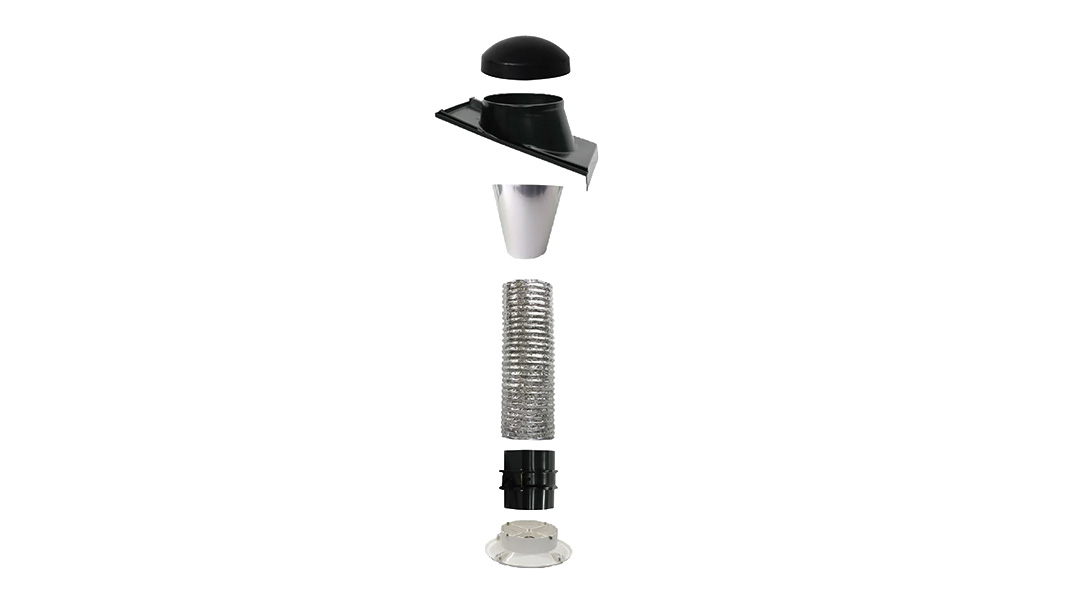
Aura Room Mechanical Ventilation
- Active room extraction for stale air and moisture
- Ducted ceiling vent with powered inline fan
- Great for bathrooms, laundries, and enclosed rooms
- Best when the problem is inside the room, not the roof
The Benefits Of Room Ventilation
- Removes moisture in wet rooms (bathrooms, ensuites and laundries) and keeps them dry and fresh. Therefore reducing mould growth & any possible health issues related to inhaling mould spaws.
- Prevents stale air smells in rooms and promotes fresh air circulation. This includes extracting cooking fumes and smells in kitchens.
- Assists with room dampness and mould problems and improve general air quality
- Saves Energy
Room Ventilation Systems FAQs
Quick answers to help you understand how room ventilation works, which areas benefit most, and what to expect from installation, performance, and day-to-day use.
-
What is a room ventilation system?
A room ventilation system extracts stale air, humidity, and odours from inside the home and replaces it with fresher airflow. It’s designed for situations where the problem is inside the room (not just in the roof space).
-
Which rooms benefit most from room ventilation?
Bathrooms, laundries, kitchens, and enclosed rooms benefit the most because moisture and stale air build up quickly. Good room ventilation helps reduce condensation and improves overall comfort.
-
What’s the difference between room ventilation and roof ventilation?
Room ventilation targets the air inside your living spaces by extracting humidity and stale air from specific rooms. Roof ventilation targets trapped heat and moisture in the roof cavity – both can work together, but they solve different problems.
-
How does a mechanical room ventilation system work?
Mechanical systems usually use a ceiling vent connected to ducting and an inline fan to actively pull air out and vent it outside. They’re ideal when you need reliable extraction regardless of weather conditions.
-
Are room ventilation systems noisy or expensive to run?
Most modern systems are designed to run quietly and use relatively little electricity, especially when used only as needed (e.g., during showers or in humid conditions). Running costs depend on the fan type, usage time, and how the system is controlled.