
Solar Battery Guides, Solar and Battery Packages Guides, NSW Solar Rebates and Incentives
Are Solar and Battery Rebates Going Down in 2027?
If you’re in the market for a solar battery, solar system, or solar and…
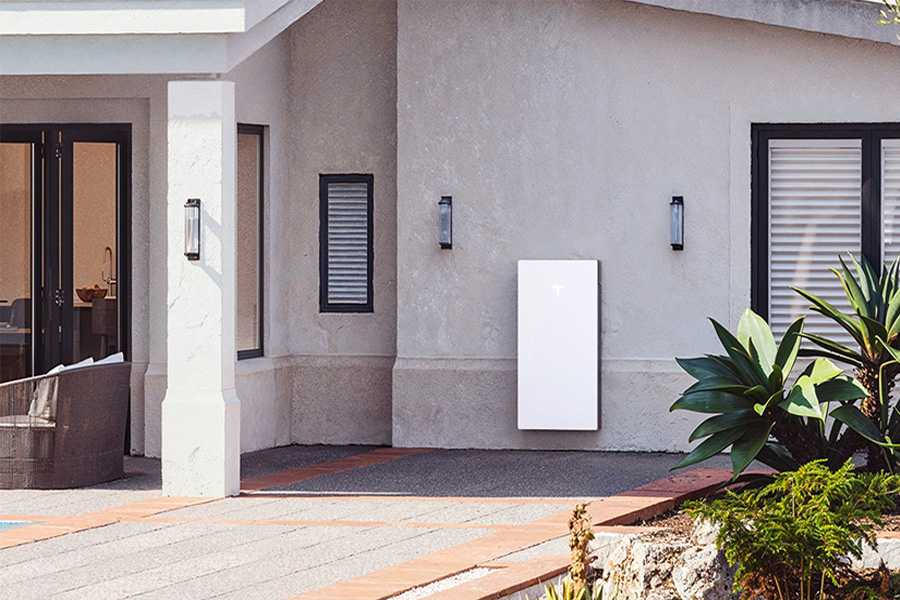
Solar batteries remain a worthwhile investment for many Australian households in 2026, particularly as electricity prices stay high, feed-in tariffs remain low, and more homeowners look for greater control over their power usage.
A solar battery allows your home to store excess solar energy generated during the day and use it later when electricity demand and grid prices are higher. Instead of exporting surplus energy back to the grid for a low feed-in tariff, homeowners can use stored energy during the evening when it provides the most value.
For many households, the decision is no longer just about savings. Battery storage is increasingly about reducing exposure to rising electricity costs, improving energy security, and adding protection during blackouts.
Although battery rebates reduced after May 2026, eligible homeowners can still access meaningful support that helps lower the upfront installation cost. Combined with flexible finance options and ongoing energy price increases, solar batteries continue to make strong practical and financial sense for many homes.
Battery rebates have reduced compared to earlier government incentive levels, but they have not disappeared. Eligible households can still access valuable rebate support that helps reduce the initial cost of installation.
With lower rebate levels, system design has become more important than ever. Oversizing a battery can increase costs unnecessarily, while undersizing may limit the value homeowners receive from the system.
A properly designed battery system should match the household’s:
Homeowners should also review the latest rebate eligibility criteria before proceeding with solar battery installation.
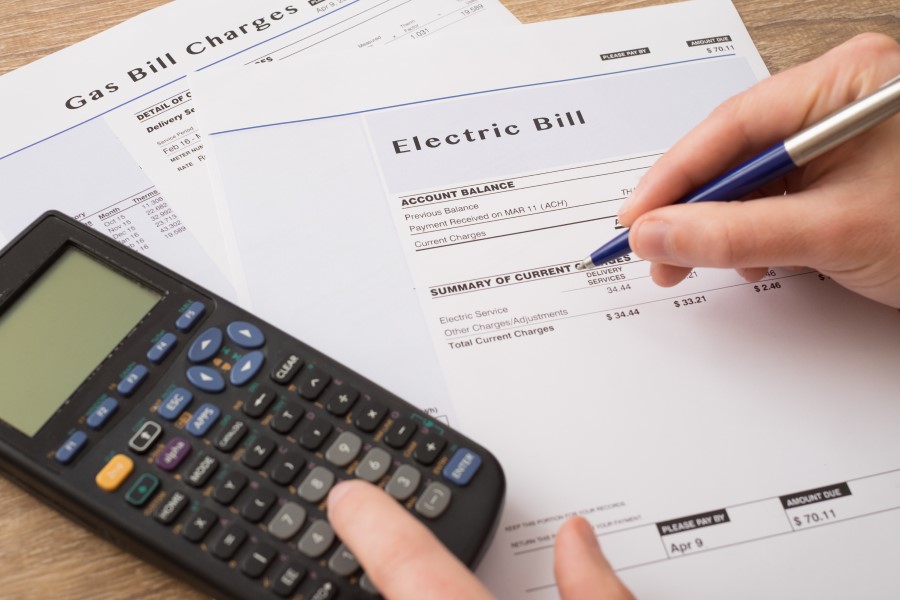
One of the biggest reasons batteries remain popular in 2026 is the continued increase in electricity costs.
Modern homes consume more electricity than ever through:
At the same time, many retailers apply higher charges during peak evening periods when households rely heavily on the grid.
A battery helps reduce this dependence by storing unused solar energy during the day and supplying it back to the home later when electricity prices are typically higher.
A well-designed system can help homeowners:
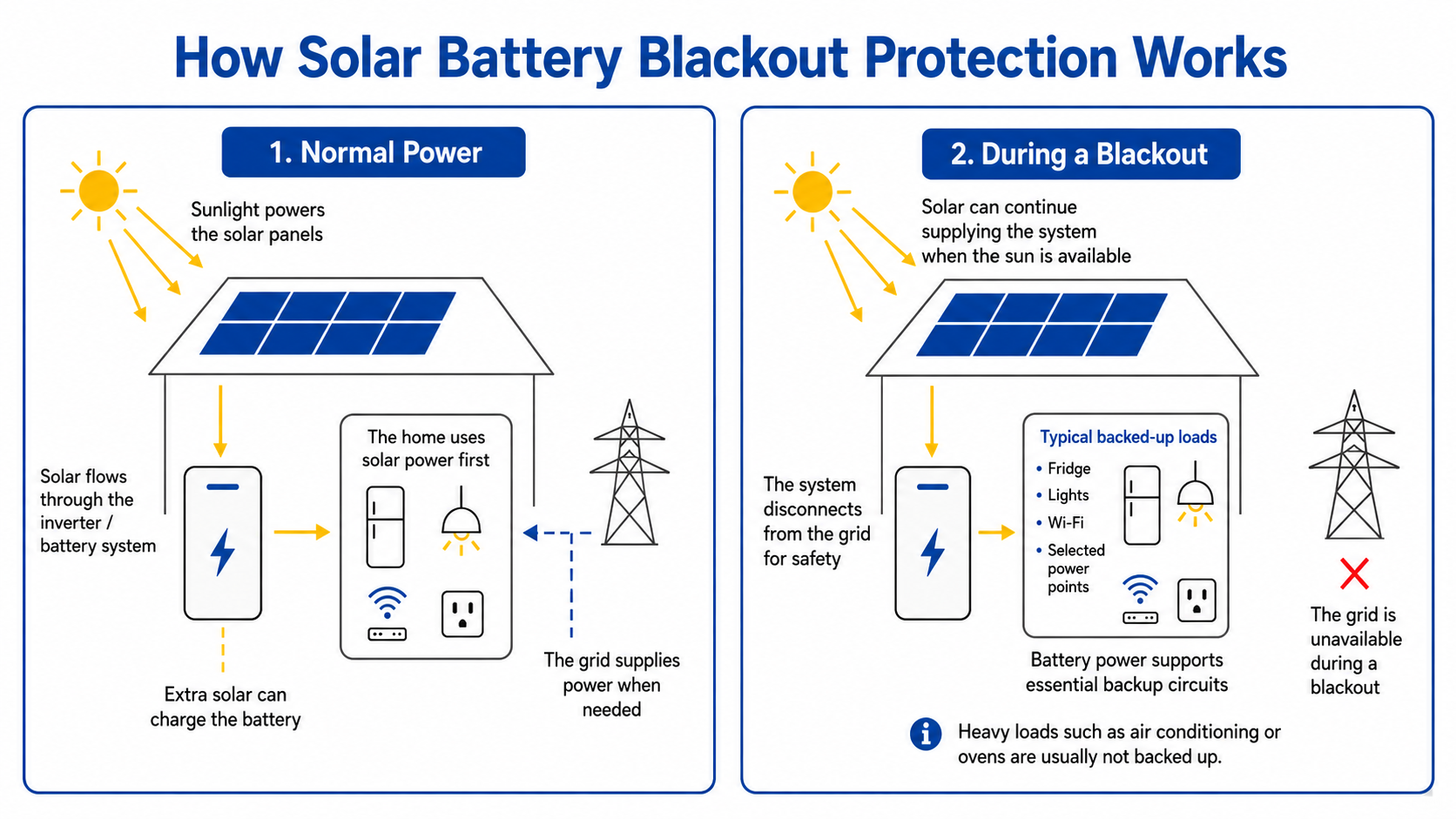
Backup power remains one of the most important benefits of solar batteries in 2026.
Power outages can occur during storms, grid failures, maintenance works, or extreme weather events. Even short interruptions can affect refrigeration, internet access, lighting, security systems, and work-from-home setups.
When designed correctly, a battery system can keep selected appliances and circuits operating during a blackout, including:
However, not every battery system automatically provides blackout protection. Backup capability depends on the inverter, battery compatibility, switchboard configuration, and overall system design.
This is one of the most misunderstood areas of battery installations. Some systems only provide partial backup, while others are designed to support larger sections of the home. These requirements should be discussed before installation rather than assumed afterward.
Upfront cost remains one of the biggest barriers for homeowners considering battery storage. Finance options can help reduce this hurdle by allowing eligible customers to spread the investment over time.
For many households, solar finance allows them to:
The suitability of finance depends on the household’s goals, electricity usage, and overall financial position.
Solar batteries continue to make sense for homeowners who want to:
As electricity costs continue to rise, battery storage is becoming less of a luxury upgrade and more of a long-term energy management tool.
Not all battery systems perform the same.
Battery capacity, inverter compatibility, usable storage, backup configuration, and installation quality all affect long-term performance and reliability.
The cheapest system is not always the best value, and the largest battery is not always the most suitable option. The best outcome comes from matching the system design to the household’s actual energy usage.
Before installing a battery, homeowners should consider:
Solar Battery storage is a long-term investment, which makes system design and installation quality just as important as the battery brand itself.
Yes – for many Australian households, solar batteries are still worth considering in 2026.
While rebates have reduced, support is still available for eligible systems. Combined with rising electricity prices, lower feed-in tariffs, and growing interest in blackout protection, batteries continue to offer strong long-term value.
A properly designed battery system can help homeowners:
The key is choosing a system that is properly sized, professionally installed, and designed around the household’s actual energy needs.
Not sure which battery size suits your home? Contact SolarBright or book a free consultation with our team.

Take a Look
Solar Battery Guides, Solar and Battery Packages Guides, NSW Solar Rebates and Incentives
If you’re in the market for a solar battery, solar system, or solar and…
SolarBright Guides, Roof Ventilation Guides
Mould is a common problem in Australian homes, particularly where moisture, humidity and poor…
Solar Panels Guides
Solar panels are designed to provide reliable electricity for many years. However, like any…