
SolarBright Guides, Solar Battery Guides, SolaX Triple Power Battery Guides
7 reasons to choose a SolaX Triple Power battery
Price, warranty, safety and storage capacity are some of the biggest considerations when buying…
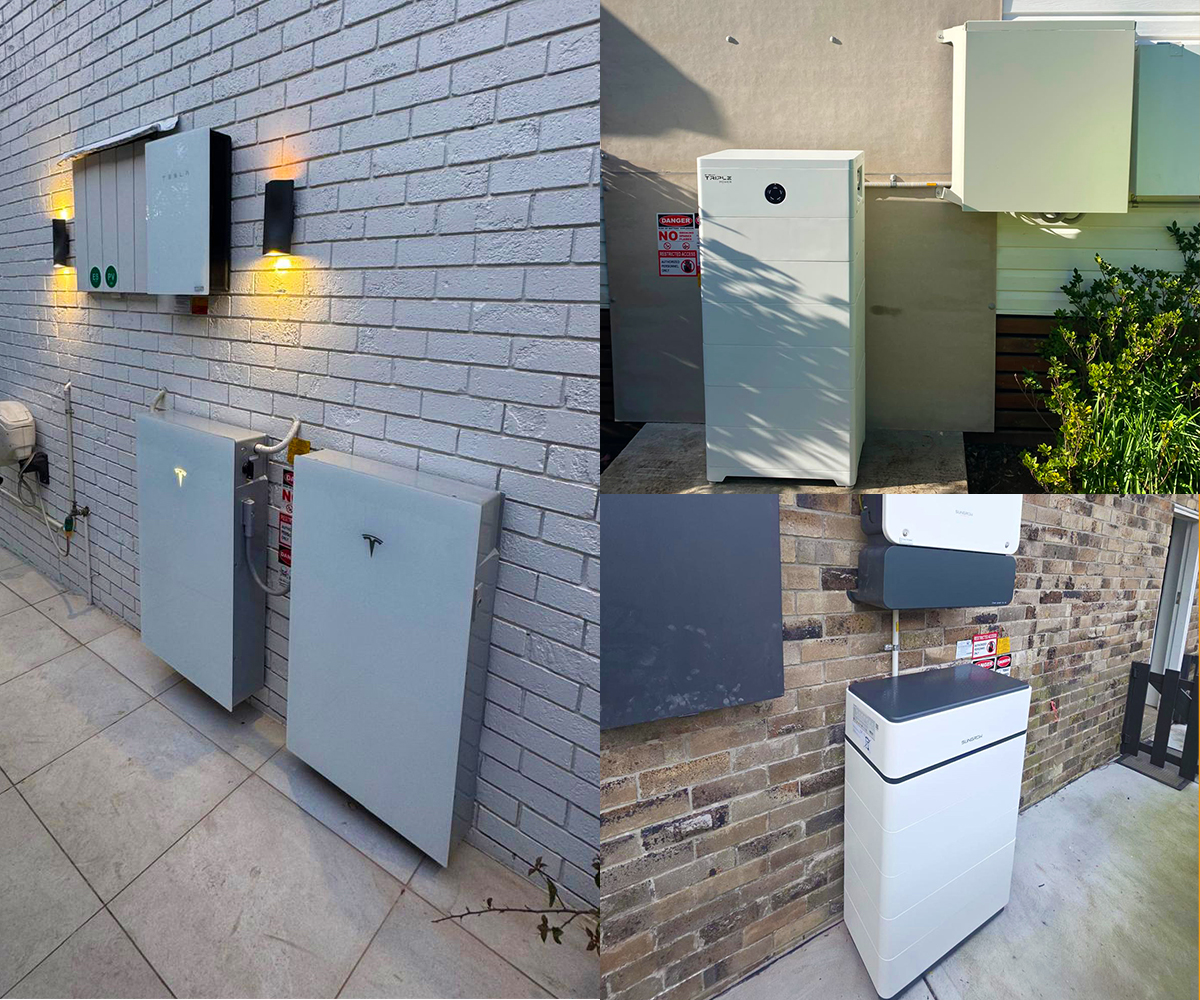
Most modern solar batteries are expected to last 10 to 15 years or longer, depending on how often they are charged and discharged, the installation environment, operating temperature and overall system quality.
Over time, the battery will gradually lose some storage capacity, but it should continue working beyond the warranty period if it is properly installed and operated under normal residential conditions.
If you’re investing in a home battery, it’s natural to wonder how long it will last.
The good news is that most quality solar batteries are designed to operate for 10 to 15 years or more, with many continuing to perform well after their warranty expires.
Unlike a car battery, a home solar battery doesn’t usually fail overnight. Instead, it gradually loses storage capacity over time. Even after 10 years, many premium batteries still retain around 70% of their original usable capacity, allowing them to continue powering your home, just for a shorter period than when they were new.
In this guide, we’ll explain:
| Battery | Warranty | Capacity Warranty | Typical Lifespan |
| Tesla Powerwall 3 | 10 years | 70% after 10 years | 10–15+ years |
| Sungrow SBR | 10 years | 70% after 10 years | 10–15+ years |
| Sungrow SBH | 10 years | 70% after 10 years | 10–15+ years |
| SolaX Triple Power | 10 years | 70% after 10 years | 10–15+ years |
While each manufacturer has slightly different warranty conditions, premium lithium iron phosphate (LFP) batteries are all designed for many years of daily charging and discharging.
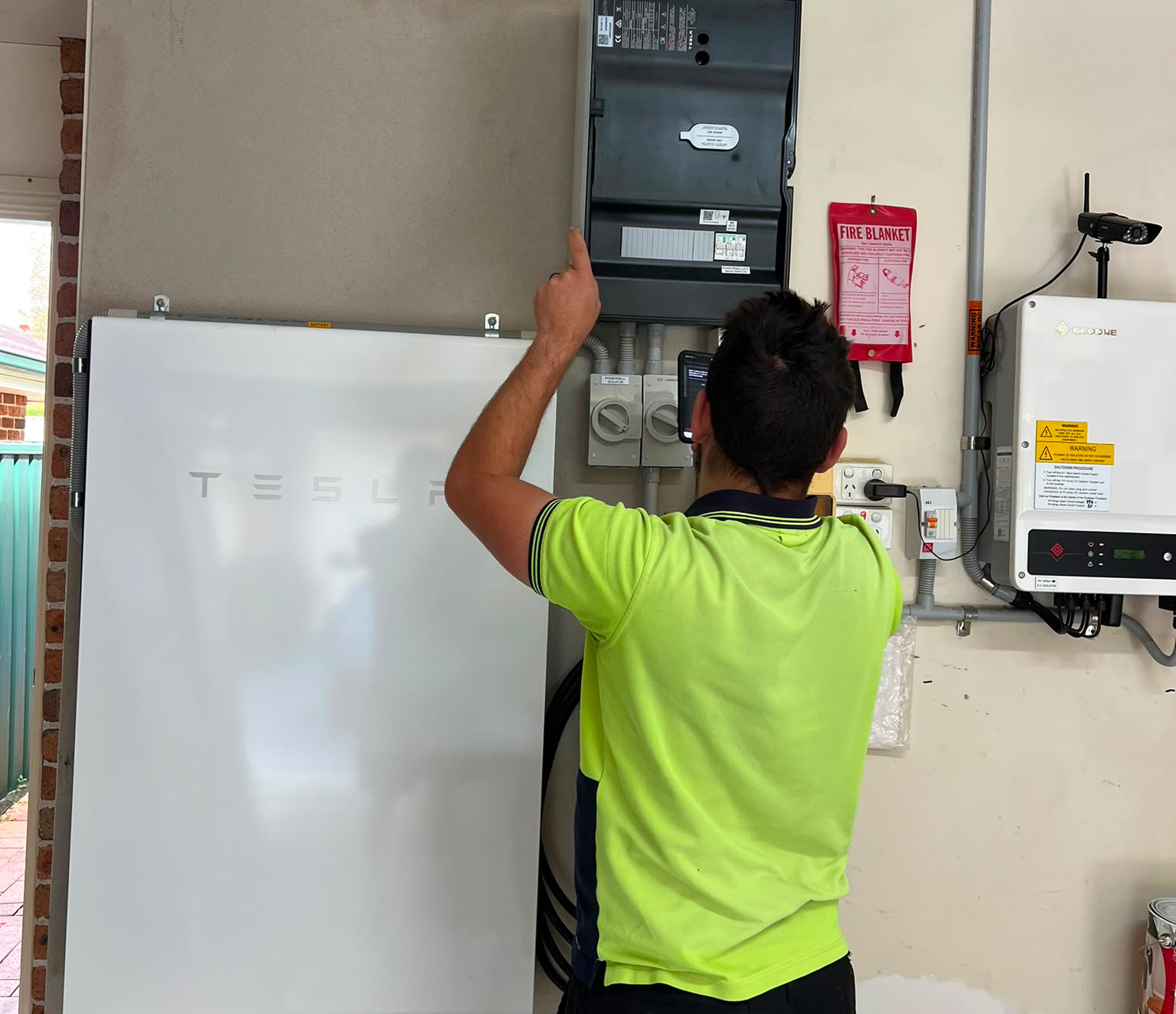
Battery lifespan depends on much more than the warranty period.
Several factors influence how well a battery performs over time.
Modern premium batteries, including Tesla Powerwall 3, Sungrow SBR, Sungrow SBH and SolaX Triple Power, use Lithium Iron Phosphate (LFP) cells.
LFP chemistry is known for:
This is one of the main reasons today’s home batteries can last well beyond a decade.
Every time a battery charges and discharges, it completes a cycle.
Quality batteries are designed for thousands of cycles, making them suitable for everyday solar self-consumption and backup power.
Heat is one of the biggest factors affecting battery longevity.
Most premium batteries operate between -20°C and 50°C, although consistently high temperatures can increase long-term wear and reduce performance.
Correct installation and adequate ventilation help maximise battery life.
A professionally designed and installed battery system is more likely to deliver reliable long-term performance.
Incorrect installation, poor ventilation or incompatible system design can reduce efficiency and potentially affect warranty coverage.
Hiring an reputed solar battery installer matters because correct system design, battery sizing, placement and installation can directly affect safety, efficiency and lifespan.
A warranty isn’t simply a promise that the battery will work for 10 years.
It also specifies:
Understanding these conditions helps set realistic expectations about long-term performance.
This is probably the biggest misconception about home battery systems.
A 10-year warranty does not mean the battery stops working after 10 years.
Instead, manufacturers guarantee that the battery will retain a minimum level of performance during the warranty period.
As the battery ages, it slowly stores less energy.
For example, a battery that originally stored 13.5 kWh may still store around 9.5 kWh after ten years if it retains 70% capacity.
That still provides valuable energy storage for many households.
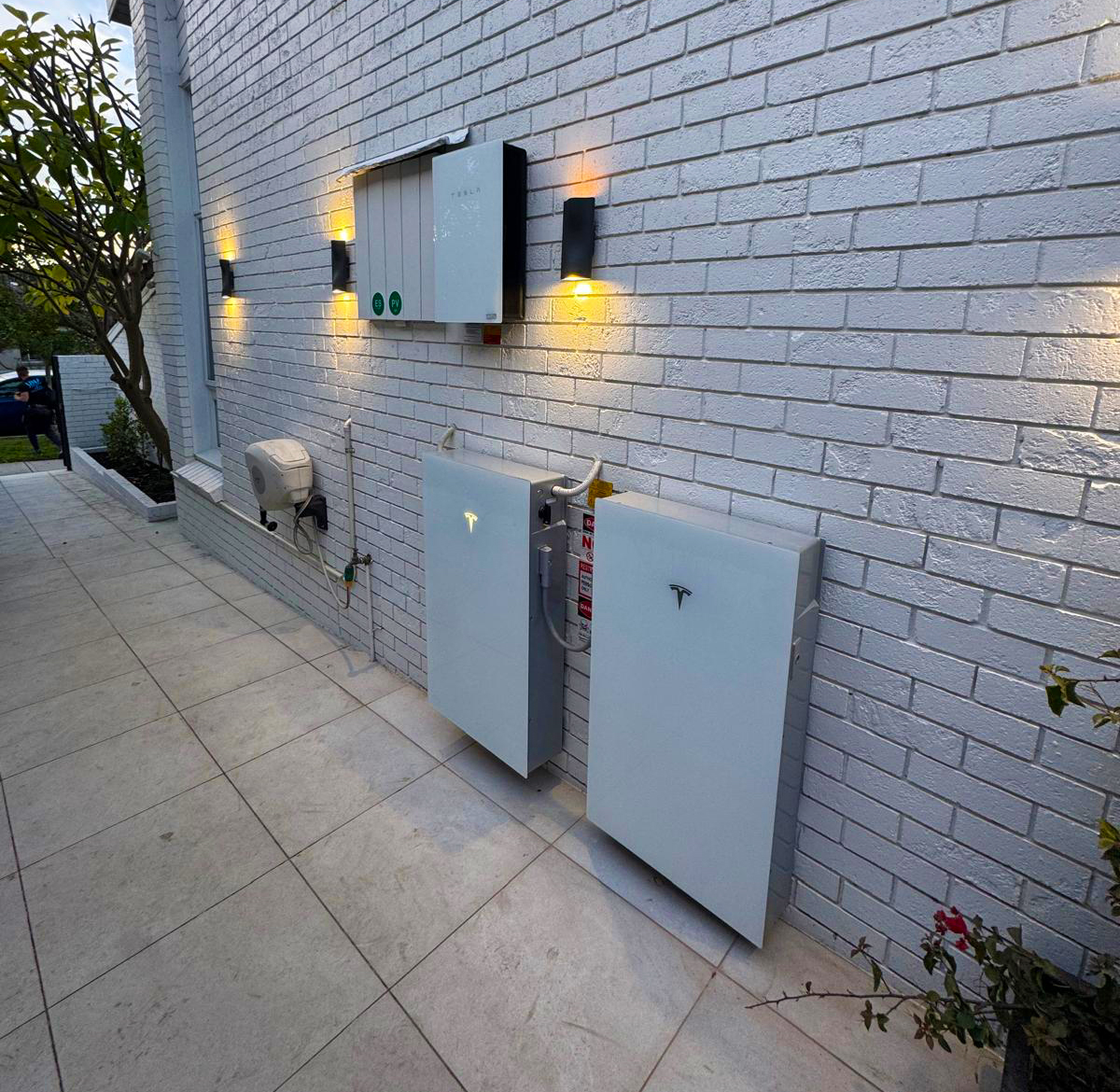
Tesla Powerwall 3 is designed for daily home energy storage and comes with a 10-year warranty.
Tesla provides a 10-year warranty for eligible residential use.
The system should remain connected to the internet so Tesla can provide firmware updates and remote monitoring. Extended periods without connectivity may affect warranty coverage.
Powerwall 3 has 13.5 kWh of usable capacity when new.
Tesla guarantees that it will retain 70% of its original capacity after 10 years under eligible operating conditions.
That equates to approximately 9.45 kWh of usable storage after the warranty period.
Many Powerwall systems continue operating beyond 10 years.
The battery may simply store less energy than when it was first installed, meaning backup duration and overnight usage may gradually decrease.
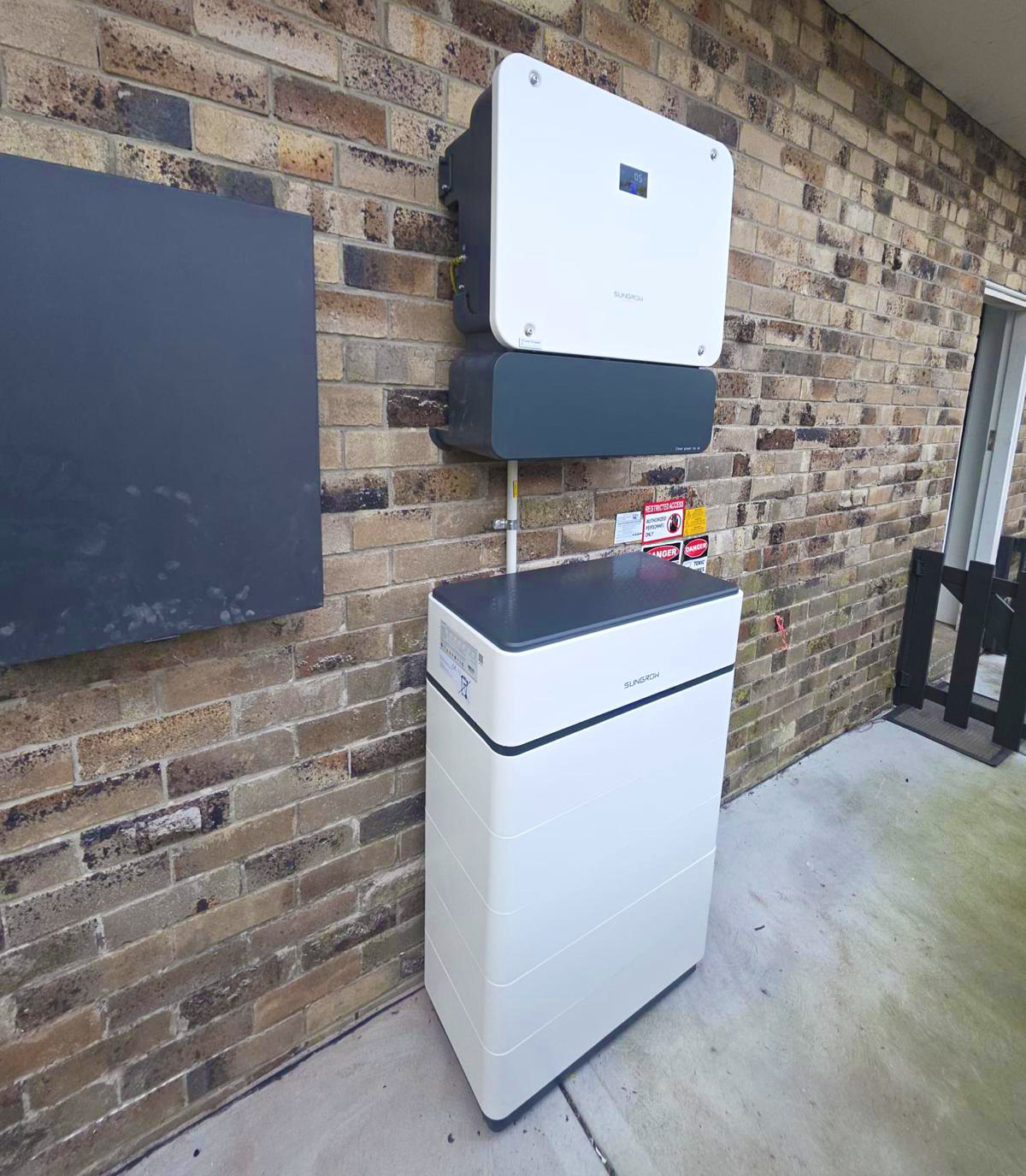
Sungrow SBR batteries are designed for daily cycling and long-term residential energy storage.
Sungrow provides a 10-year warranty, or 126 months from the manufacturing date, whichever occurs first.
Sungrow guarantees at least 70% retained capacity after ten years.
Depending on the battery size, this represents approximately:
The battery can continue supporting solar self-consumption and backup power, although its storage capacity and backup duration will gradually reduce with age.
The Sungrow SBH range is built for larger residential energy storage systems.
Like the SBR range, SBH batteries include a 10-year warranty (or 126 months from manufacture).
Sungrow warrants the battery to retain at least 70% of its original capacity.
Depending on the model, this equates to approximately 10.5–28 kWh of remaining usable capacity.
Most batteries continue operating after the warranty expires, although reduced capacity means shorter backup times and less stored solar energy.
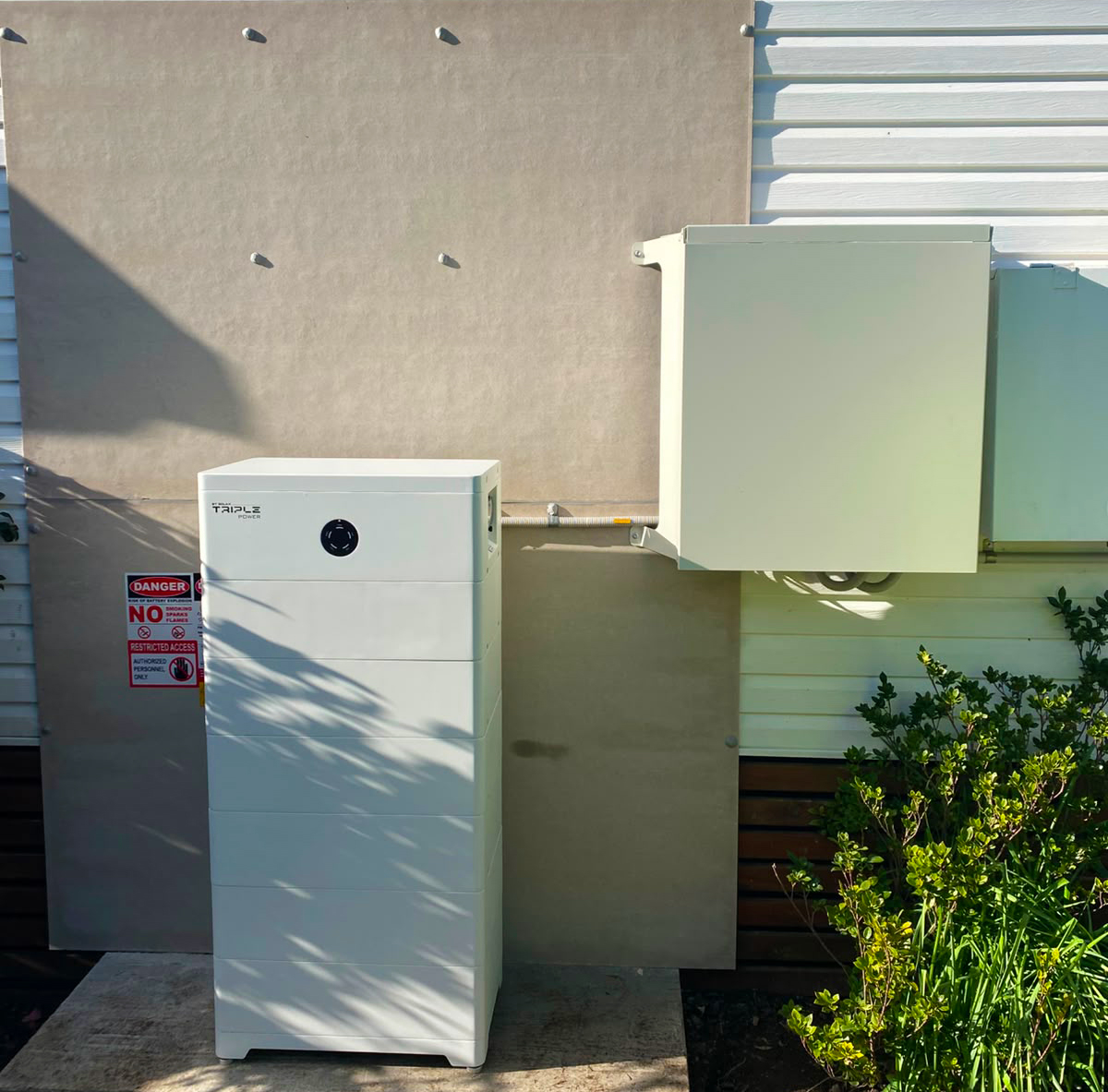
SolaX Triple Power batteries are designed for everyday residential energy storage.
The SolaX Triple Power range is covered by a 10-year manufacturer’s warranty.
SolaX guarantees at least 70% of nominal energy capacity after 120 months.
Many systems continue operating beyond ten years.
Performance gradually declines over time, but the battery can still help reduce electricity bills and provide backup power where supported by the system.
Can a solar battery last 20 years?
Some batteries may continue operating for 15 years or longer, although capacity will continue to decrease over time. Actual lifespan depends on usage, operating conditions and installation quality.
Does a solar battery suddenly fail?
No. Most home batteries gradually lose storage capacity rather than stopping suddenly.
What does 70% capacity mean?
If a battery originally stored 10 kWh, a 70% capacity warranty means it should still store at least 7 kWh after the warranty period under eligible conditions.
Is it worth replacing a battery after 10 years?
Not necessarily.
If the battery still meets your household’s energy needs, there may be no reason to replace it. Many homeowners continue using their battery for several years beyond the warranty period.
Most premium solar batteries are designed to last 10 to 15 years or more.
Rather than failing suddenly, they gradually lose storage capacity while continuing to provide value through lower electricity bills and backup power.
Tesla Powerwall 3, Sungrow SBR, Sungrow SBH and SolaX Triple Power all offer 10-year warranties with approximately 70% retained capacity, making them reliable long-term investments for Australian homes.
If you’re considering a battery system, choosing the right installer is just as important as choosing the right battery. A professionally designed and installed system will help maximise performance, reliability and long-term value for years to come.
If you’re considering solar and battery storage, now is a great time to explore available rebates and interest-free finance options.
Book a free consultation with SolarBright. Our team can explain your options, prepare a tailored quote and help you get the best value from your new solar battery system.

Our partnerships with leading brands brands like Tesla, Sungrow, and SolaX Power allow us to offer high-quality solar batteries at competitive prices.
Check Out Our Battery Deals
Our partnerships with leading brands brands like Tesla, Sungrow, and SolaX Power allow us to offer high-quality solar batteries at competitive prices.
Check Out Our Battery Deals
Take a Look
SolarBright Guides, Solar Battery Guides, SolaX Triple Power Battery Guides
Price, warranty, safety and storage capacity are some of the biggest considerations when buying…
Roof Ventilation Guides, Solar Roof Ventilation Guides
Does your home become uncomfortable as the afternoon heats up? Perhaps the air conditioner…
Solar Battery Guides, Solar and Battery Packages Guides, NSW Solar Rebates and Incentives
If you’re in the market for a solar battery, solar system, or solar and…