


Our Roof Ventilation System Range
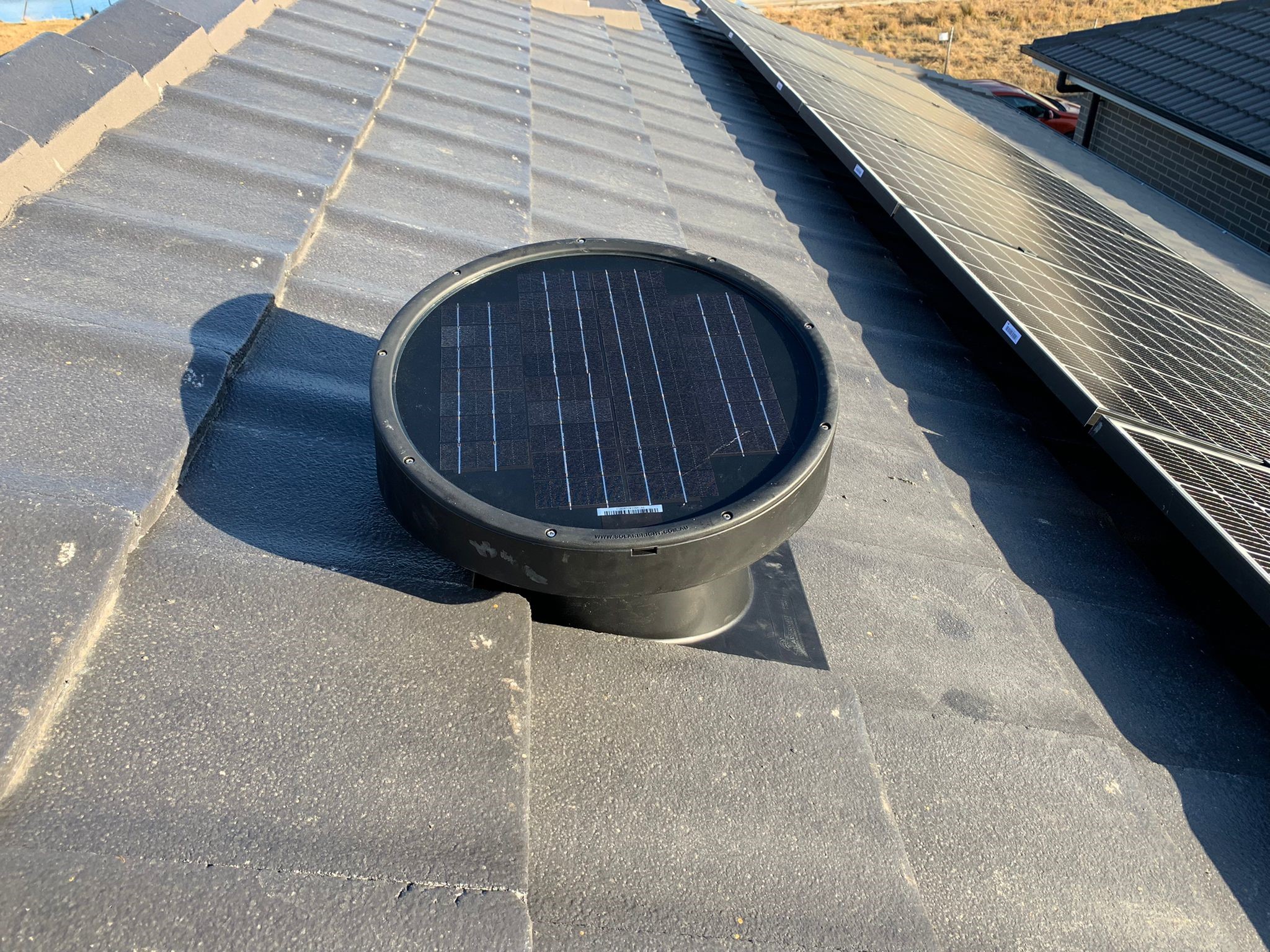
SolarBright’s MaxBreeze solar powered roof ventilations fans from SolarBright are the smart way to protect your home. During the day they extract the hot air from the roof cavity to cool your home and help lower air-con costs and moisture build-up.
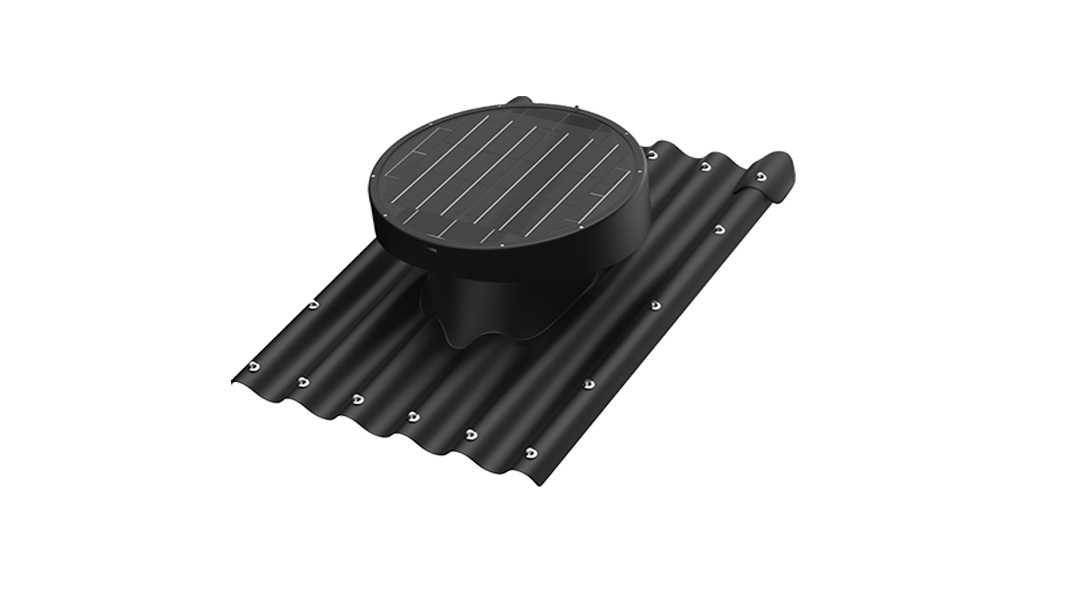
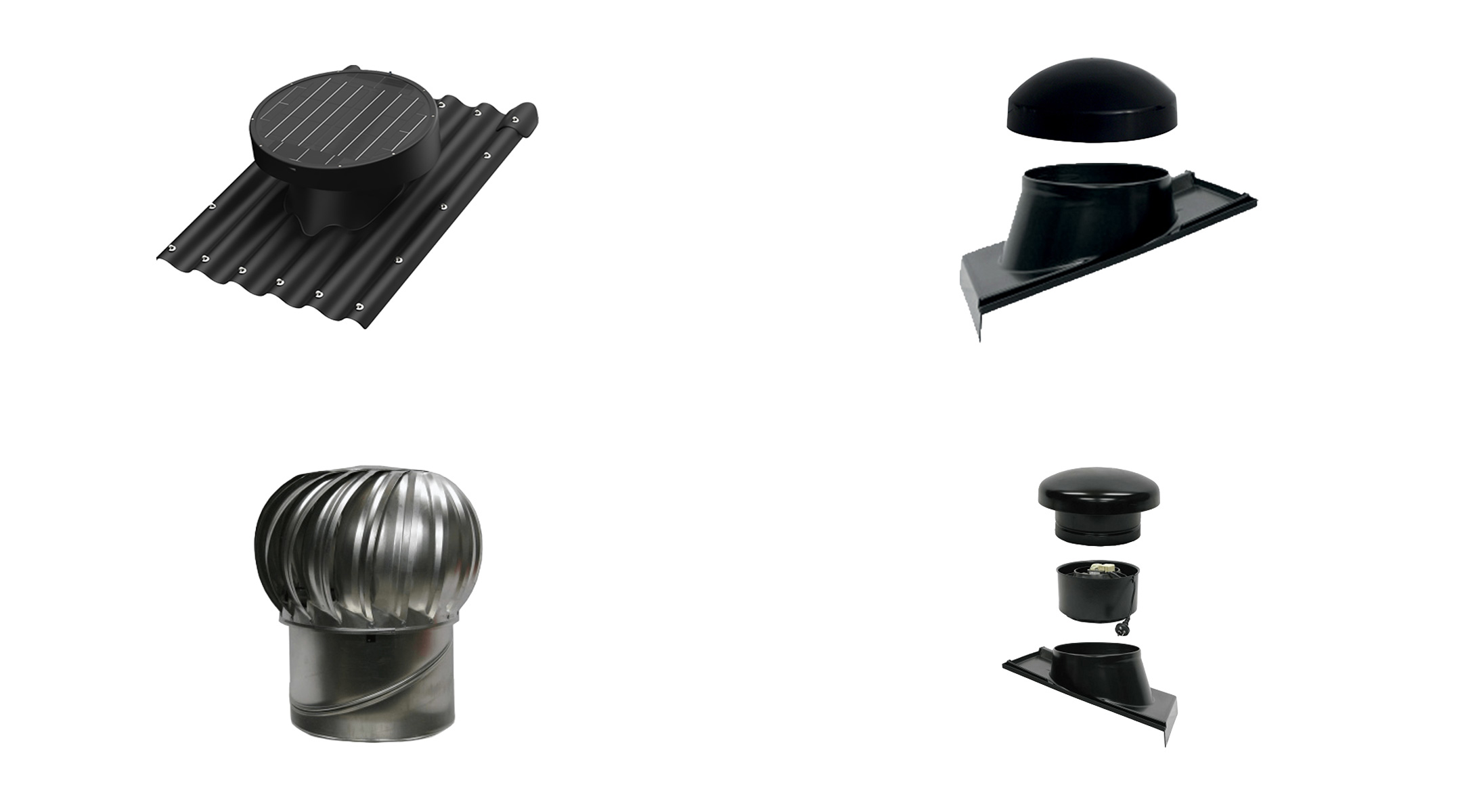
MaxBreeze Solar Roof Ventilation
- Solar-powered roof fan for strong heat extraction
- Thermostat-controlled operation in hot roof spaces
- Helps lower roof cavity temperature and cooling load
- Best for consistent ventilation without using mains power
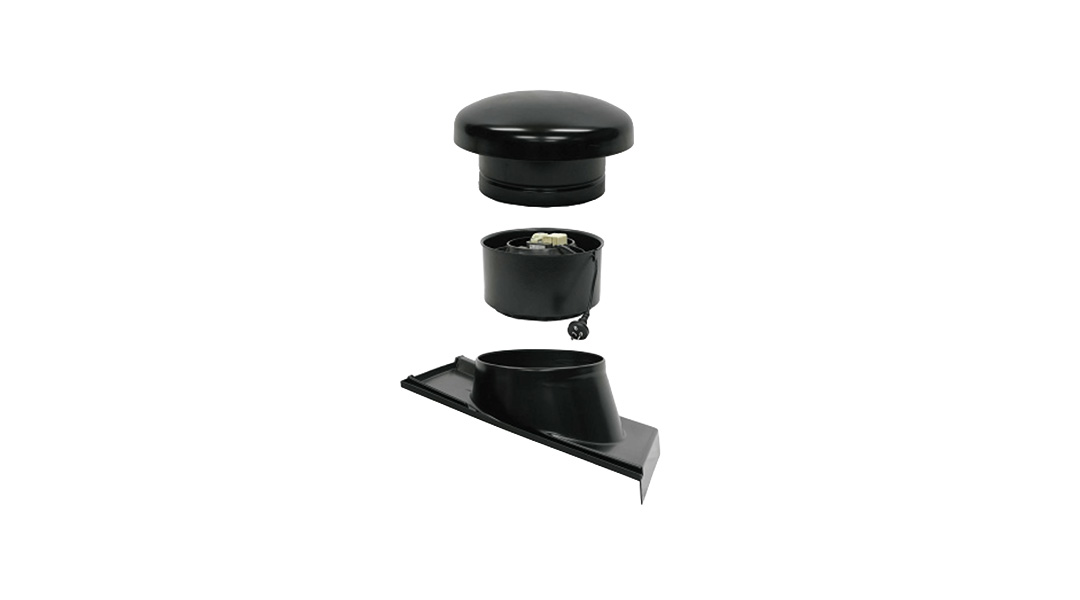
Aura Mechanical Roof Ventilation
- Mains-powered roof ventilation for higher airflow control
- Thermostat assistance for smarter run times
- Strong choice when you want reliable powered extraction
- Ideal for larger roof cavities needing steady performance
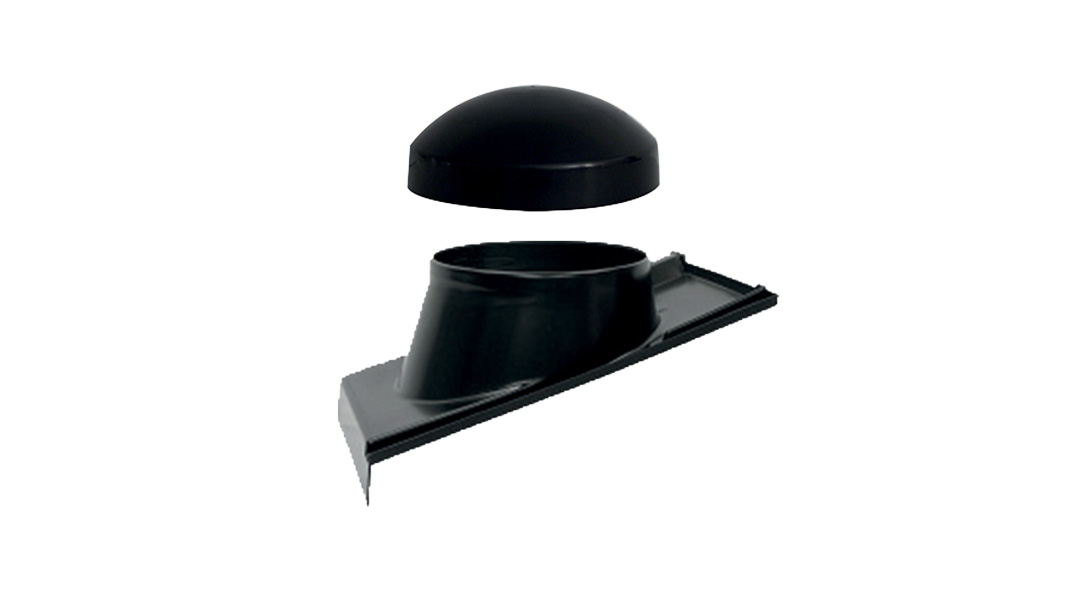
Passive Roof Air Ventilator
- No power required and zero running costs
- Simple fixed ventilation to release trapped heat
- Budget-friendly option for basic airflow improvement
- Best for smaller spaces or where powered vents aren’t needed
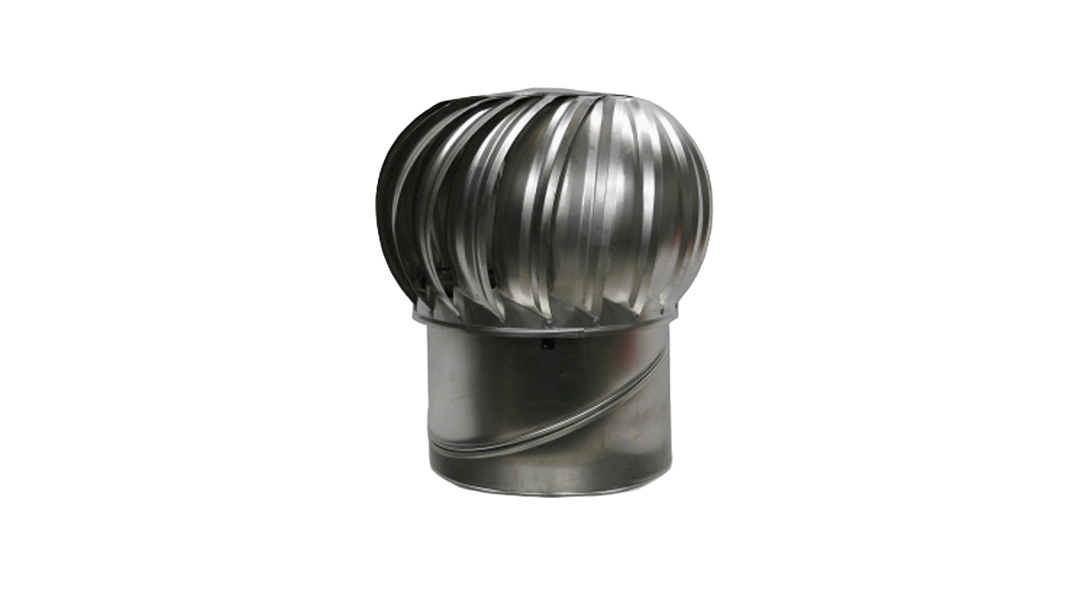
Whirlybird Roof Ventilation
- Wind-driven turbine ventilation for roof spaces
- Set-and-forget option with low ongoing costs
- Improves airflow when wind conditions are present
- Best for general roof ventilation where power isn’t required
Roof Ventilation Systems Advantages
Roof ventilation helps your home stay more comfortable by clearing trapped hot air from the roof cavity before it radiates down through the ceiling. With lower roof-space temperatures, rooms feel cooler and air conditioning doesn’t have to work as hard.
It also helps control moisture by keeping the roof space drier, which reduces condensation, damp smells, and the conditions that can lead to mould over winter. With the right setup – solar roof ventilators, mechanical roof fans, or passive vents – you get steadier airflow and better year-round roof-space health.
Roof Ventilation Systems Types
Roof ventilation types generally fall into three groups: passive vents that rely on natural airflow, solar-powered ventilators that actively extract hot air during the day, and mains-powered mechanical fans for consistent ventilation in all conditions.
- Solar-Powered Ventilation: Solar roof ventilators actively extract hot air during the day when roof temperatures peak, without using mains power.
- Passive Ventilation: Static vents and whirlybirds use natural airflow to release trapped hot air and stale moisture from the roof space.
- Mechanical Ventilation: Mains-powered roof fans provide consistent extraction and airflow control in all conditions, day or night.
Talk to our Ventilation Experts
Best Roof Ventilation Systems?
If you want the best all-round option for hot roof spaces, a solar-powered roof ventilator is hard to beat.
SolarBright’s MaxBreeze Solar Roof Ventilation actively pulls trapped heat out of your roof cavity during the day (when temperatures peak), helping rooms feel cooler and reducing how hard your air conditioning needs to work – without relying on mains power.
Roof Ventilation Systems FAQs
Answers to the most common questions about roof ventilation, including how it works, system types, performance compared to whirlybirds, and how it helps manage heat and moisture in the roof space.
-
What does roof ventilation do?
Roof ventilation helps clear trapped hot air and moisture from your roof cavity. By improving airflow through the roof space, it can reduce heat radiating into the home and help keep the roof cavity drier.
-
What are the main types of roof ventilation systems?
Most setups fall into three groups: solar roof ventilators (powered by the sun), mechanical roof fans (mains-powered), and passive vents (no motor, no running costs). The right option depends on your roof type and the problem you’re trying to solve (heat, moisture, or both).
-
Are roof ventilation systems better than whirlybirds?
In general, powered roof ventilation can deliver more consistent airflow because it doesn’t rely on wind to “spin up.” Whirlybirds can perform well when it’s breezy, but they can drop off when the wind dies down.
-
Will roof ventilation reduce mould and condensation?
It can help. Moist air can enter the roof space from everyday activity inside the home, and without enough airflow that moisture can linger. A ventilated roof cavity supports drier conditions, which helps reduce condensation and the environment that allows mould to grow.
-
Does my roof already have ventilation?
Some roofs have basic static ventilation (like ridge or static vents), but it may not move enough air to properly clear heat and moisture. If you’re still getting very hot roof-space temperatures or winter damp issues, you may need a more effective ventilation setup.