
Solar Battery Guides, Solar and Battery Packages Guides, NSW Solar Rebates and Incentives
Are Solar and Battery Rebates Going Down in 2027?
If you’re in the market for a solar battery, solar system, or solar and…
A hot roof space can make your home feel warmer, especially during the Australian summer. Heat can build up inside the roof cavity throughout the day and continue radiating into the rooms below, even after the outdoor temperature starts to drop.
Solar roof ventilation provides a practical way to improve airflow through the roof space. It uses solar energy to remove hot, trapped air and replace it with cooler outside air.
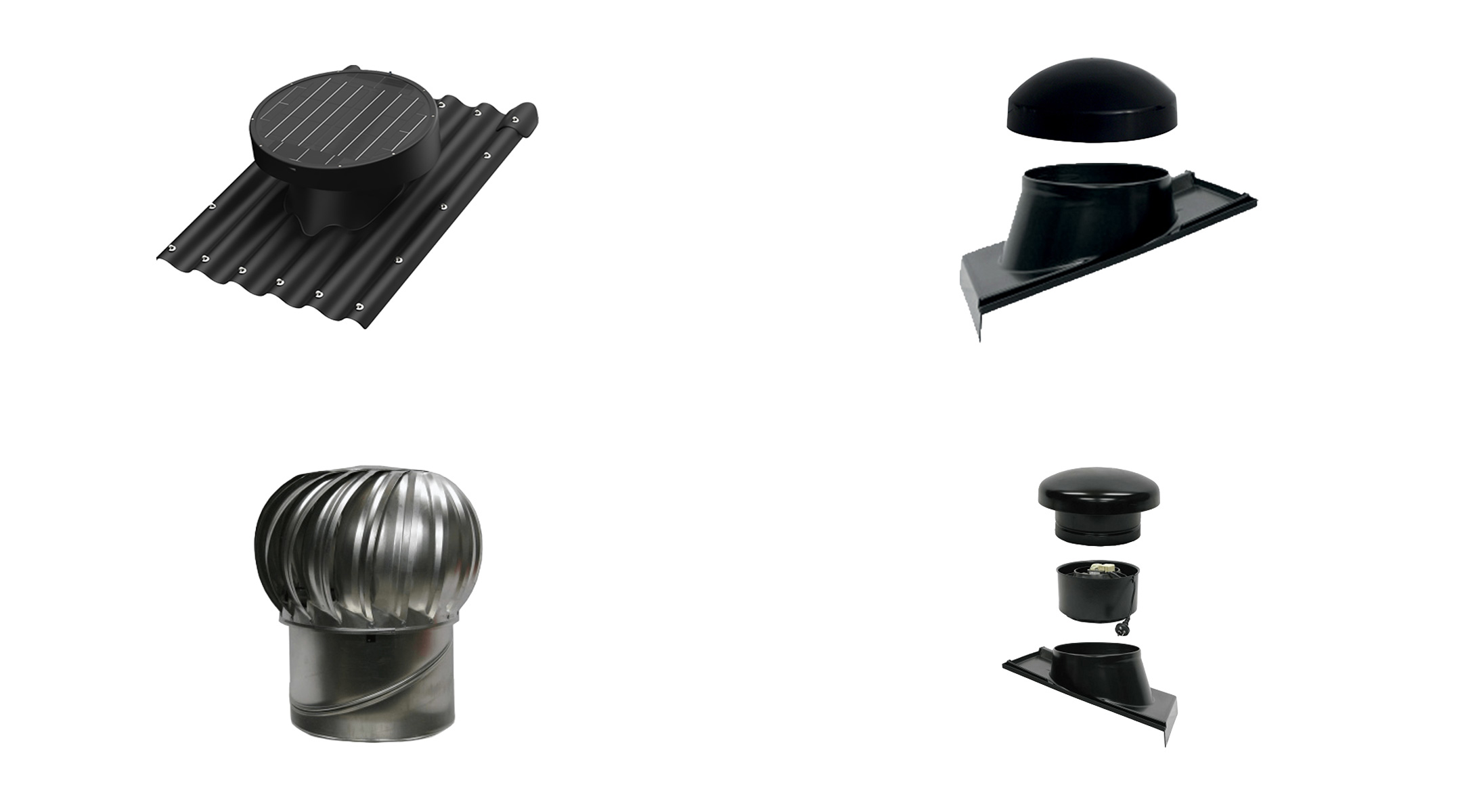
A roof ventilation system is designed to improve airflow inside the roof cavity. It helps remove excess heat, stale air and moisture that may otherwise remain trapped beneath the roof.
Common roof ventilation systems include whirlybirds, powered roof vents and solar roof ventilators. While each system works differently, their main purpose is to create better airflow and help regulate conditions inside the roof space.
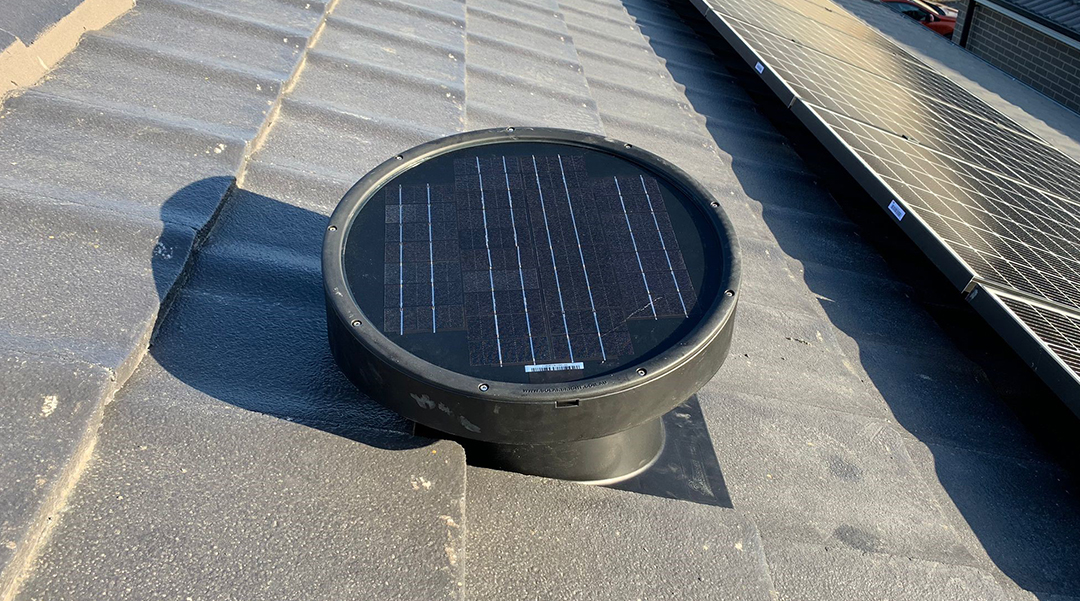
Solar roof ventilation uses a roof-mounted solar panel to power an electric ventilation fan. When sunlight reaches the solar panel, the fan draws hot air out of the roof cavity.
This continuous movement of air can help reduce excessive heat build-up and improve ventilation throughout the roof space.
Unlike traditional passive vents, a solar-powered system actively extracts air. This can provide stronger and more consistent airflow when the sun is shining and the roof space is likely to be at its hottest.
A solar roof ventilator is generally installed near the upper section of the roof, where hot air naturally collects.
The system works in three simple stages:
Solar roof ventilation offers a simple and energy-efficient way to improve airflow, reduce trapped heat and better manage moisture inside your roof space. Here are five key reasons why it can be a smart addition to your home.
Roof cavities can become extremely hot during sunny weather. Solar roof ventilation helps extract this trapped air before it continues transferring heat into the living areas below.
The ventilator is powered by sunlight during the day, when roof temperatures are usually at their highest. This allows the system to operate without adding normal daytime electricity costs.
Consistent airflow helps prevent hot and stale air from remaining trapped inside the roof cavity. Better ventilation can create a more balanced environment beneath the roof.
Roof ventilation is not only useful during summer. Moisture and humidity can also collect inside poorly ventilated roof spaces.
A suitable ventilation system can help remove humid air and reduce the conditions that contribute to condensation, mould and mildew.
By removing excessive heat from the roof cavity, solar roof ventilation may help reduce some of the heat entering the rooms below.
This can support your air-conditioning system and may help lower cooling demand during hot weather. Results will vary depending on the home, insulation, roof design and weather conditions.
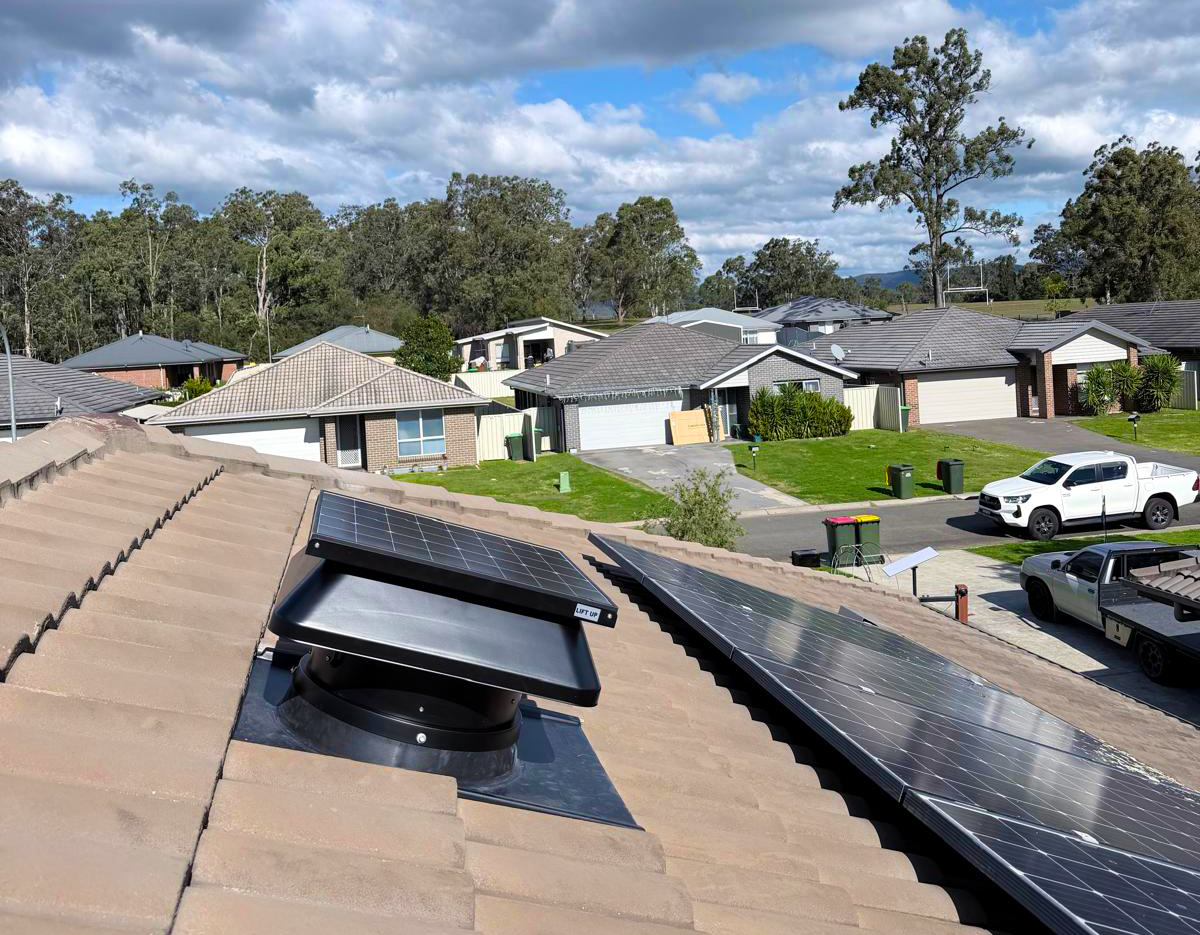
SolarBright’s MaxBreeze solar roof ventilation is Australian designed and owned. Every model is built for Australian roofs and climate.
Here’s why homeowners choose MaxBreeze:
MaxBreeze is designed and owned by SolarBright, an Australian family business. Because we’re local, we understand Australian roofs and climate better.
MaxBreeze activates once the roof cavity hits 25°C. It only runs when you actually need it.
Installed in hours by SolarBright’s trained installers or distributors nationwide. Also suitable for DIY.
Secure roof-mounting and flashing design keeps your roof watertight.
MaxBreeze also responds to humidity levels, reducing moisture buildup and protecting your roof cavity.
The MaxBreeze Zephyr runs day and night. A built-in solar battery charges during the day and powers ventilation at night – helping cool your home even on hot summer nights.
Let us help you choose the right MaxBreeze for your home.
Book your free consultation and our team will help you compare the available MaxBreeze models and choose the right solar roof ventilation system for your property.

MaxBreeze can move over 20 times more air than whirly-birds. Australian Owned & Designed solar roof ventilators.
Find out more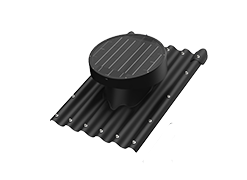
MaxBreeze can move over 20 times more air than whirly-birds. Australian Owned & Designed solar roof ventilators.
Find out more
Take a Look
Solar Battery Guides, Solar and Battery Packages Guides, NSW Solar Rebates and Incentives
If you’re in the market for a solar battery, solar system, or solar and…
SolarBright Guides, Roof Ventilation Guides
Mould is a common problem in Australian homes, particularly where moisture, humidity and poor…
Solar Panels Guides
Solar panels are designed to provide reliable electricity for many years. However, like any…