
SolarBright Guides, Roof Ventilation Guides
Mould Protection
Mould is a common problem in Australian homes, particularly where moisture, humidity and poor…
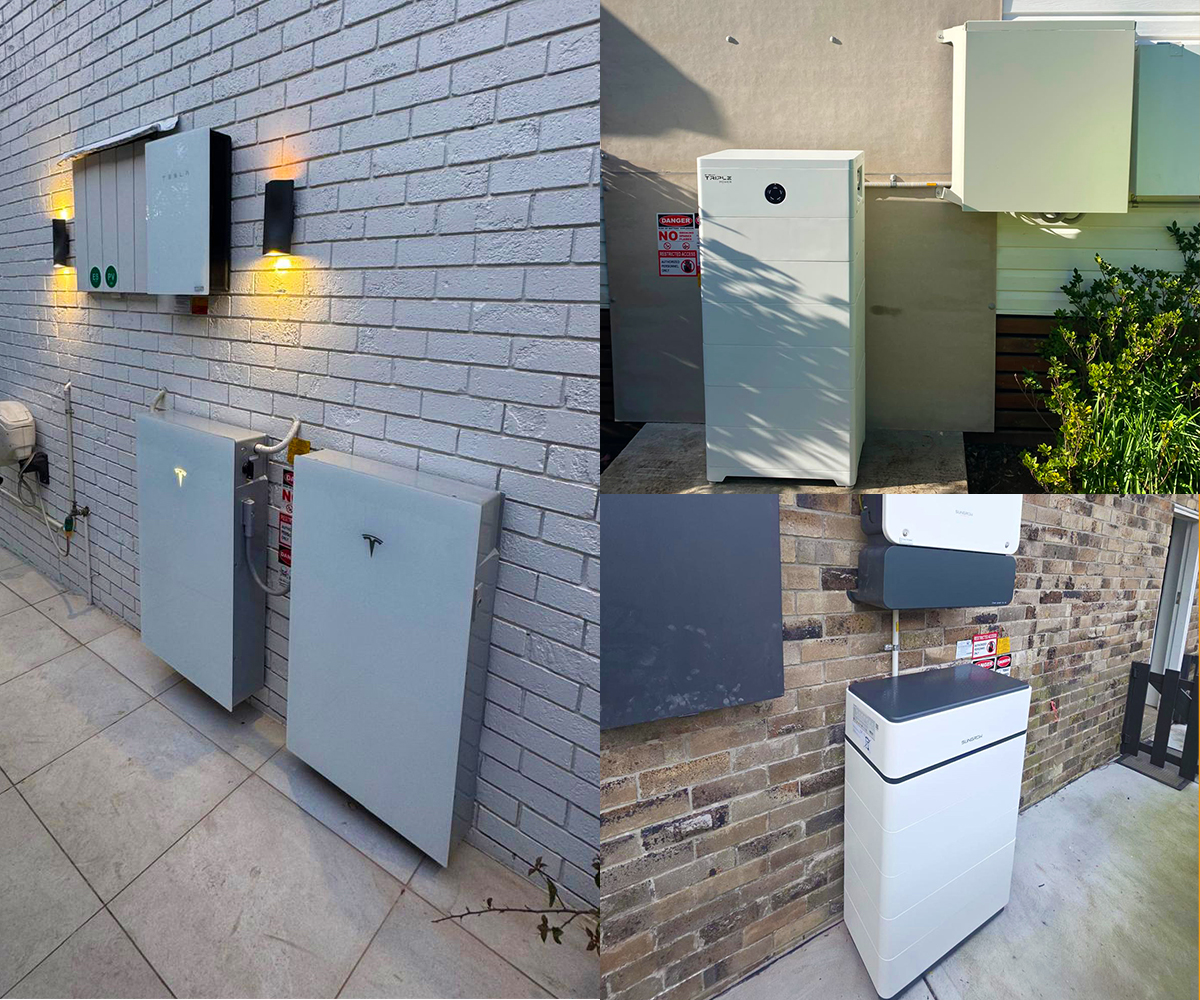
If you’re in the market for a solar battery, solar system, or solar and battery package, you may have already heard the news: battery rebates are going down in 2027.
But what exactly is changing? How much could you potentially save by installing before 2027? And does waiting a few months really make that much difference?
Let’s break it down.
Under the Federal Government’s Cheaper Home Batteries Program, the STC factor used to calculate the battery discount will decrease from 6.8 to 5.7 on 1 January 2027.
It will then decrease again to 5.2 from 1 July 2027.
The current schedule is:
| Installation period | STC factor |
| May–December 2026 | 6.8 |
| January–June 2027 | 5.7 |
| July–December 2027 | 5.2 |
This means an eligible battery installed before the end of 2026 can generate more STCs than the same battery installed in 2027.
Rebates can get confusing. That’s why we’re here.
Our team can explain the current rebates, upcoming changes and help you choose the right solar and battery system for your home.
To put the difference into perspective, let’s use a 13.5 kWh Tesla Powerwall 3 as an example.
Because its 13.5 kWh usable capacity falls within the first rebate tier, the full STC factor applies.
The approximate number of STCs generated would be:
The final number of certificates is rounded down to the nearest whole STC.
Using an indicative STC value of $43.65, a Tesla Powerwall 3 could currently receive an estimated federal battery discount of around:
91 STCs × $43.65 = $3,972.15
From January 2027, the same 13.5 kWh battery would generate approximately:
76 STCs × $43.65 = $3,317.40
That’s a difference of approximately $654.75 simply based on the change in the STC factor.
Keep in mind that STC market values can change, so these figures should be treated as an estimate rather than a guaranteed rebate amount.
You can calculate your estimated savings using our Federal Government Battery Rebate Calculator.
The example above is based on a single 13.5 kWh Tesla Powerwall 3.
For larger battery systems, the dollar difference between installing in 2026 and waiting until 2027 can potentially be greater.
However, since May 2026, the Federal Government battery discount has been calculated using three capacity tiers:
This means the rebate does not simply increase at the same rate for every additional kilowatt-hour of battery capacity.
For an accurate estimate based on the size of battery you’re considering, use our Federal Government Battery Rebate Calculator.
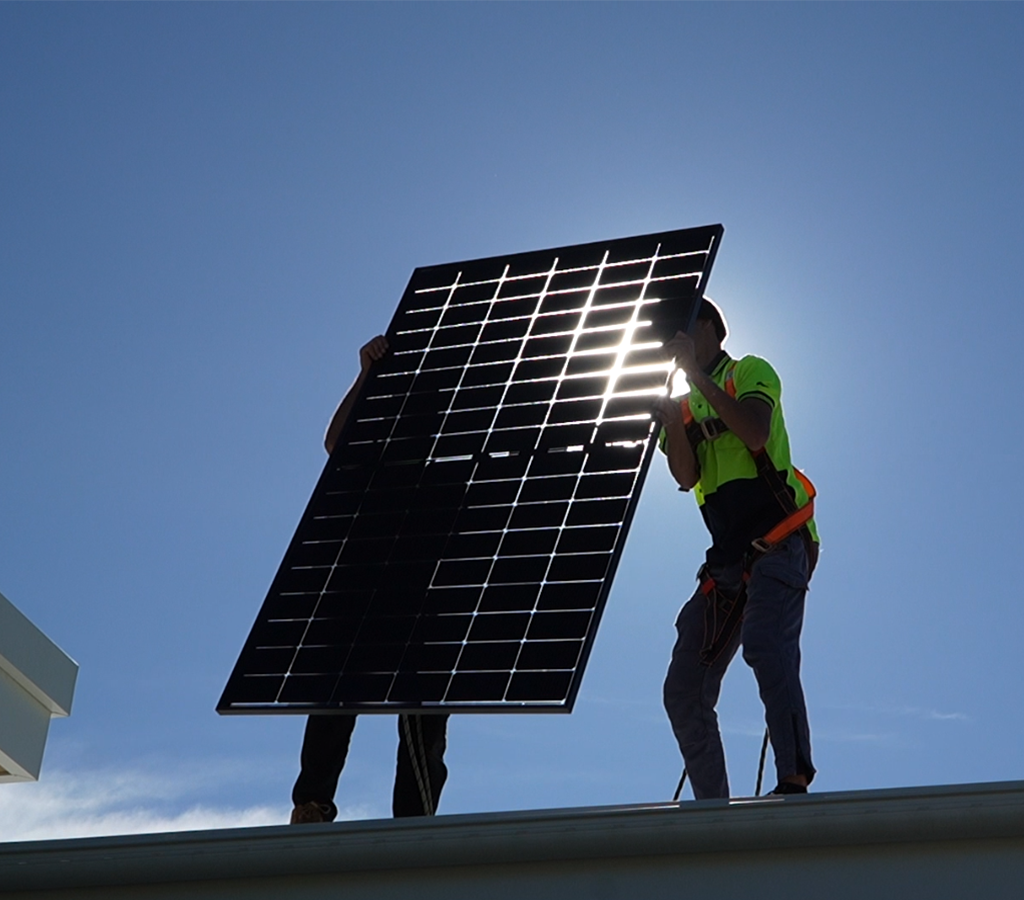
Solar panel rebates are also delivered through the Small-scale Renewable Energy Scheme (SRES), although the calculation is different from the Federal Government battery rebate.
The number and value of STCs available for eligible solar installations reduces over time as the scheme moves towards its scheduled end.
If you’re considering installing solar, you can estimate the available incentive using our Solar Panel Rebate STC Calculator.
The difference can become even more important if you’re planning to install solar and battery packages.
Instead of looking at the battery rebate in isolation, it’s worth considering the overall cost of your solar panels, battery, inverter, installation and the incentives available at the time your system is installed.
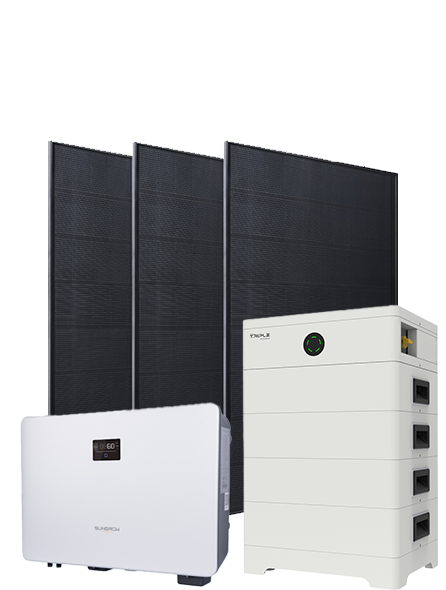
You can view our latest solar and battery packages or request a quote from SolarBright to see which system best suits your home and energy usage.
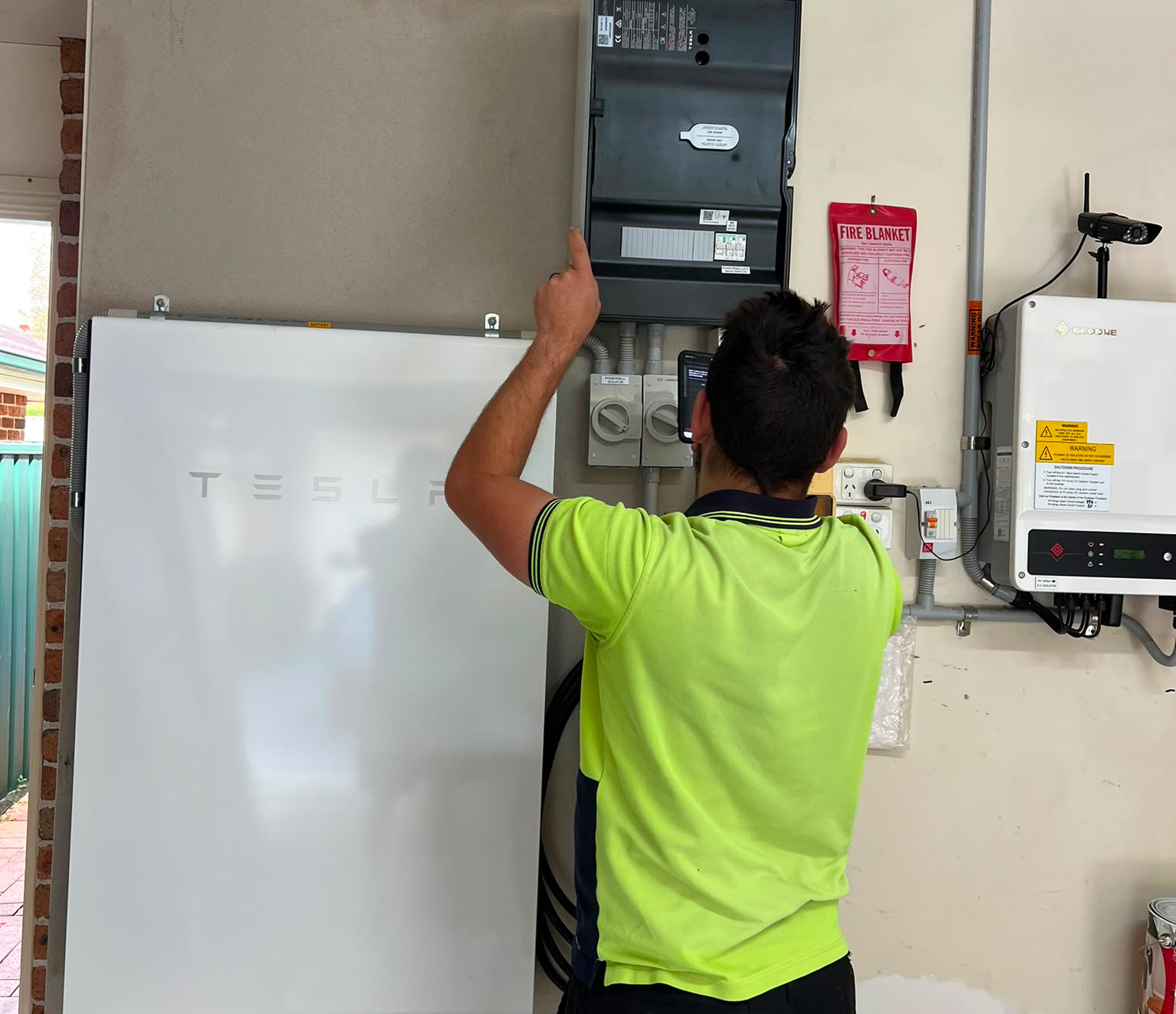
As a general guide, the process from your initial enquiry through to installation can take around 4–6 weeks.
The exact timeframe can vary depending on factors such as:
This is important because the battery rebate is determined by the STC factor applicable when the eligible battery is installed, not simply when you request a quote.
At the time of writing, there are only a few months remaining until the end of 2026.
If you’re already considering installing a solar battery or upgrading to a solar and battery package, it may be worth getting started sooner rather than waiting until December.
Talk to the SolarBright team today for an obligation-free quote and find out how much you could save by installing before the next battery rebate reduction.

Take a Look
SolarBright Guides, Roof Ventilation Guides
Mould is a common problem in Australian homes, particularly where moisture, humidity and poor…
Solar Panels Guides
Solar panels are designed to provide reliable electricity for many years. However, like any…
Solar Skylight Guides
When choosing a solar skylight, you may come across specifications such as 1,500 lumens…