
Solar Battery Guides, Solar and Battery Packages Guides, NSW Solar Rebates and Incentives
Are Solar and Battery Rebates Going Down in 2027?
If you’re in the market for a solar battery, solar system, or solar and…
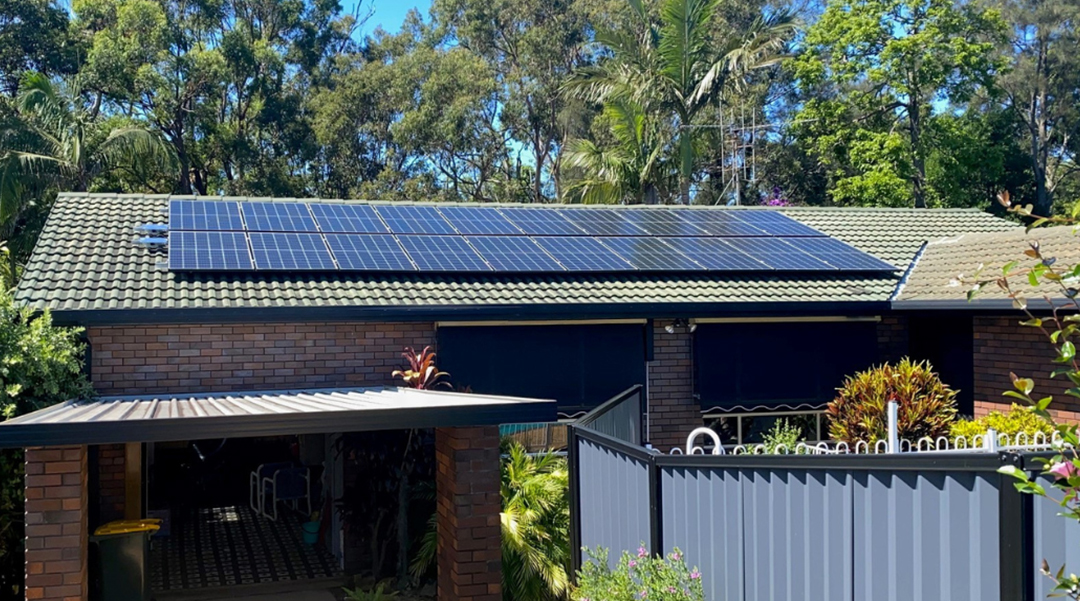
Solar panels are designed to provide reliable electricity for many years. However, like any technology, their performance can decline with age, while your household energy requirements may change significantly over time.
A solar system that was perfectly adequate 10 or 15 years ago may no longer generate enough electricity for your home today.
At the same time, solar panel technology has improved. Modern panels can generate considerably more power from the same amount of available roof space.
So, how do you know when it might be time for an upgrade?
The end of your manufacturer’s warranty does not automatically mean your solar panels need replacing.
However, it can be a good time to assess the overall condition and performance of an ageing solar system.
If your panels are approaching the end of their warranty period and you are also experiencing declining output, faults or other issues, upgrading may make more sense than continuing to invest in an older system.
Modern solar panels can also come with significantly longer warranties.
For example, Max Power solar panels are backed by a 30-year product warranty and 30-year performance warranty, giving homeowners greater long-term confidence in their solar investment.
Solar panels naturally experience some performance degradation over their lifetime.
If your system is producing noticeably less electricity than it did when first installed, ageing panels may be one of the reasons.
This becomes particularly important when your household relies heavily on solar power to reduce grid electricity consumption.
New-generation panels are designed to deliver higher efficiency and strong long-term performance.
The Max Power 475W solar panel, for example, uses N-Type solar cell technology and offers module efficiency of up to 23.8%.
It also maintains more than 87% of its rated output after 30 years under its performance warranty.
For an older solar system, upgrading can provide a significant improvement in how much electricity you can generate from your roof.
Sometimes there is nothing particularly wrong with your existing solar panels.
Your home may simply be using much more electricity than when the system was originally installed.
Your electricity consumption may increase because of:
Many older residential solar systems were also considerably smaller than the systems commonly installed today.
If your current system is no longer covering enough of your electricity consumption, replacing older lower-wattage panels with higher-capacity panels can help you increase your overall system size.
For example:
While actual system design depends on your roof, inverter and electrical requirements, it demonstrates how much more solar capacity can potentially be achieved using modern panels.
Installing a solar battery is another reason to reassess your existing solar panels.
A battery stores excess electricity generated by your solar system during the day so you can use that energy later.
However, you need enough solar generation to power your home during the day while also producing surplus electricity to charge the battery.
An older 3kW, 5kW or similarly sized system may not generate enough excess solar energy to make full use of a larger battery.
Upgrading your panels at the same time can allow your solar and battery system to be designed around your current and future electricity requirements.
This might include:
Rather than treating the battery and solar panels as separate systems, they can be designed to work together.
An occasional problem does not necessarily mean your solar panels need replacing.
However, frequent faults in an ageing solar system can make upgrading worth considering.
Older systems may experience issues such as:
At some point, repeatedly repairing an ageing system may become less practical than upgrading to modern solar technology with new warranties.
A professional inspection can help determine whether repairing, expanding or replacing the system is the better option.
Solar panels installed in Australia can be exposed to severe weather throughout their lifetime.
Hail, storms, falling branches and flying debris can potentially damage solar panels and other system components.
Some damage may be clearly visible, such as cracked panel glass.
Other damage may be harder to identify without a professional inspection.
If your property has recently experienced a major storm and you notice a sudden reduction in solar production, having the system inspected is recommended.
If significant damage has occurred, replacement may provide an opportunity to upgrade to newer and more durable panel technology.
Max Power Maximus panels feature a dual-glass design, providing a durable construction designed for long-term solar generation.
Replacing solar panels is not always necessary simply because your system is old.
If your existing system is operating reliably, producing enough electricity and meeting your household requirements, continuing to use it may still make sense.
Replacement becomes more worth considering when several factors occur together.
For example, your panels may be ageing and producing less power while your household electricity consumption has increased. You may also be planning to install a battery or purchase an electric vehicle.
In these situations, upgrading can provide an opportunity to redesign your solar system around your current electricity requirements rather than those you had when the original system was installed.
Before replacing your panels, it is worth having the existing system assessed to determine its condition, current output and potential upgrade options.
Solar technology has changed significantly over the past decade.
If you have an older solar system, replacing it today can provide several advantages beyond simply getting new panels.
Solar panels can now generate considerably more electricity per panel.
Older residential systems commonly feature panels rated at around 250W, 300W or 330W.
The Max Power Maximus panel delivers 475W per panel.
That increase in panel capacity means considerably more solar generation can potentially be installed without requiring a proportionate increase in roof space.
Panel wattage is not the only area that has improved.
Solar cell and module efficiency have also progressed.
Max Power Maximus panels use modern N-Type cell technology and provide module efficiency of up to 23.8%.
Higher module efficiency means more of the sunlight reaching the panel can be converted into usable electricity.
For homeowners replacing older panels, this can make a substantial difference to the amount of solar generation available from the same roof.
Roof space is limited.
Chimneys, skylights, roof vents, shading and roof orientation can all reduce the amount of space available for solar panels.
This makes panel efficiency and wattage increasingly important.
Replacing lower-wattage panels with modern high-output panels can allow you to make better use of the strongest areas of your roof.
For homes with limited usable roof space, upgrading can therefore be particularly beneficial.
Government solar and battery incentives may also help reduce the upfront cost of eligible installations.
Depending on the system, location and current government programs, incentives may be available when installing or upgrading solar panels or adding an eligible home battery. Don’t forget to check solar battery rebates or solar panel rebates.
This can make replacing an ageing solar system and installing battery storage more financially attractive.
Not sure whether you should keep your existing solar panels, expand your system or replace it completely?
Get in touch with SolarBright to book a free consultation

• 475W power output
• Up to 23.80% module efficiency
• Premium N-Type solar cells
• Dual-glass bifacial technology
• 30-year warranty

• 475W power output
• Up to 23.80% module efficiency
• Premium N-Type solar cells
• Dual-glass bifacial technology
• 30-year warranty
Take a Look
Solar Battery Guides, Solar and Battery Packages Guides, NSW Solar Rebates and Incentives
If you’re in the market for a solar battery, solar system, or solar and…
SolarBright Guides, Roof Ventilation Guides
Mould is a common problem in Australian homes, particularly where moisture, humidity and poor…
Solar Skylight Guides
When choosing a solar skylight, you may come across specifications such as 1,500 lumens…