
Solar Battery Guides, Solar and Battery Packages Guides, NSW Solar Rebates and Incentives
Are Solar and Battery Rebates Going Down in 2027?
If you’re in the market for a solar battery, solar system, or solar and…

When comparing tubular skylights, many homeowners focus on the dome, the size, or the price. While those factors are important, one of the most critical parts of the system is the tube itself.
The skylight tube is responsible for carrying daylight from the roof into the room below, so its quality has a major impact on brightness, clarity, efficiency, and long-term performance.
A tubular skylight can only perform as well as the tube inside it. Even if the skylight captures plenty of sunlight at roof level, poor tube quality can lead to light loss before it ever reaches the ceiling diffuser. That means reduced brightness, weaker light output, and a less effective result inside the home. In simple terms, if the tube is not built to a high standard, the overall skylight system cannot perform at its best.
Skylight tube is the pathway that delivers natural daylight into the home. This makes reflectivity one of the most important factors in skylight performance.
Quality Matters
A high-quality tube is designed to transfer as much light as possible through the shaft, helping create a brighter and more natural-looking result indoors.
Discover MaxLight Skylights
This becomes even more important when the skylight has to pass through roof space before reaching the room below. The longer the distance, the more important tube efficiency becomes. A better tube helps minimise light loss, maintain stronger daylight output, and improve the overall effectiveness of the skylight system.
Not all skylight tubes are made the same. Lower-quality materials can affect both performance and durability over time. A poor tube may reduce the amount of daylight delivered into the room, while also offering less reliability in the long term.
A better-quality skylight tube helps with:
A high-performance tube reflects more daylight through the system, helping maximise brightness inside the room.
A premium reflective surface can help produce a cleaner, brighter and more natural-looking light output.
Where there is a deeper ceiling cavity or a longer tube run, better tube technology helps reduce light loss.
High-quality materials are built to handle harsh roof conditions, UV exposure, and long-term use more reliably.
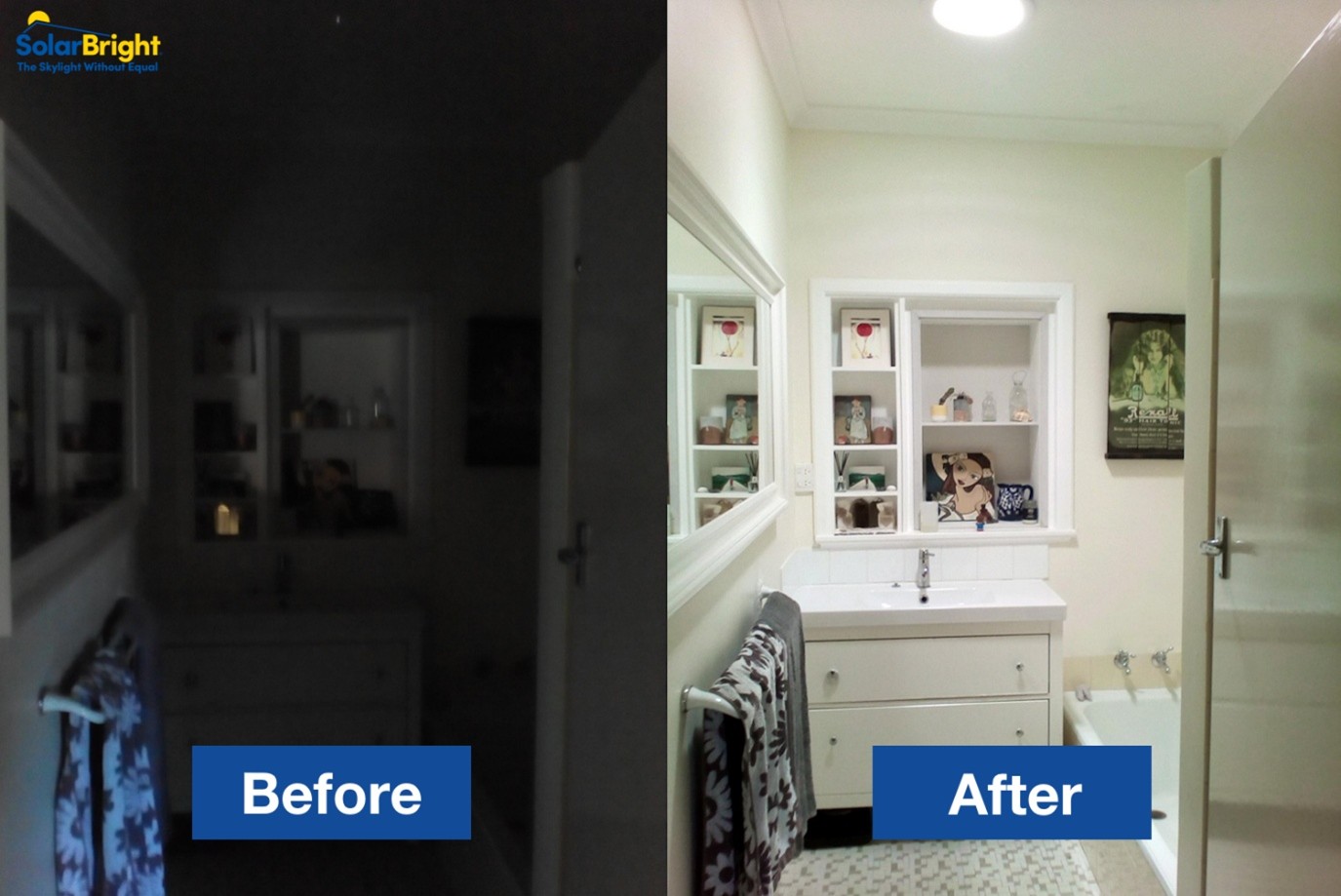
This is where SolarBright’s MaxLight Skylights stand out. The skylight tube is not just a basic internal component — it is one of the most important parts of the system. MaxLight uses advanced Miro-Silver® aluminium tube technology to help capture, reflect, and transfer more natural daylight from the roof into your home.
The result is a brighter, cleaner, and more consistent lighting effect inside the room, especially in areas where strong daylight performance matters.
Key features of MaxLight Miro-Silver® tube technology include:
Choosing a skylight is not just about adding more light. It is about selecting a system that performs well, looks good, and continues to deliver value over time. That is why tube quality matters so much.
With MaxLight Skylights, the focus on premium tube technology helps set the system apart. The use of Miro-Silver® aluminium tubes supports strong reflectivity, better daylight transfer, and dependable long-term performance. For homeowners, that means a more effective daylighting solution and a better outcome in everyday living spaces.
Whether you are brightening a hallway, bathroom, laundry, or another darker part of the home, better tube quality can make a noticeable difference to the final result.
For advice on selecting the right MaxLight skylight for your home, contact SolarBright or book a free consultation to get started. Our team can guide you through the available options and help you choose a solution that best suits your space, roof type, and lighting needs.
Take a Look
Solar Battery Guides, Solar and Battery Packages Guides, NSW Solar Rebates and Incentives
If you’re in the market for a solar battery, solar system, or solar and…
SolarBright Guides, Roof Ventilation Guides
Mould is a common problem in Australian homes, particularly where moisture, humidity and poor…
Solar Panels Guides
Solar panels are designed to provide reliable electricity for many years. However, like any…