
Solar Battery Guides
Wall Mounted Batteries
Wall mounted solar batteries are home energy storage systems designed to be secured vertically…
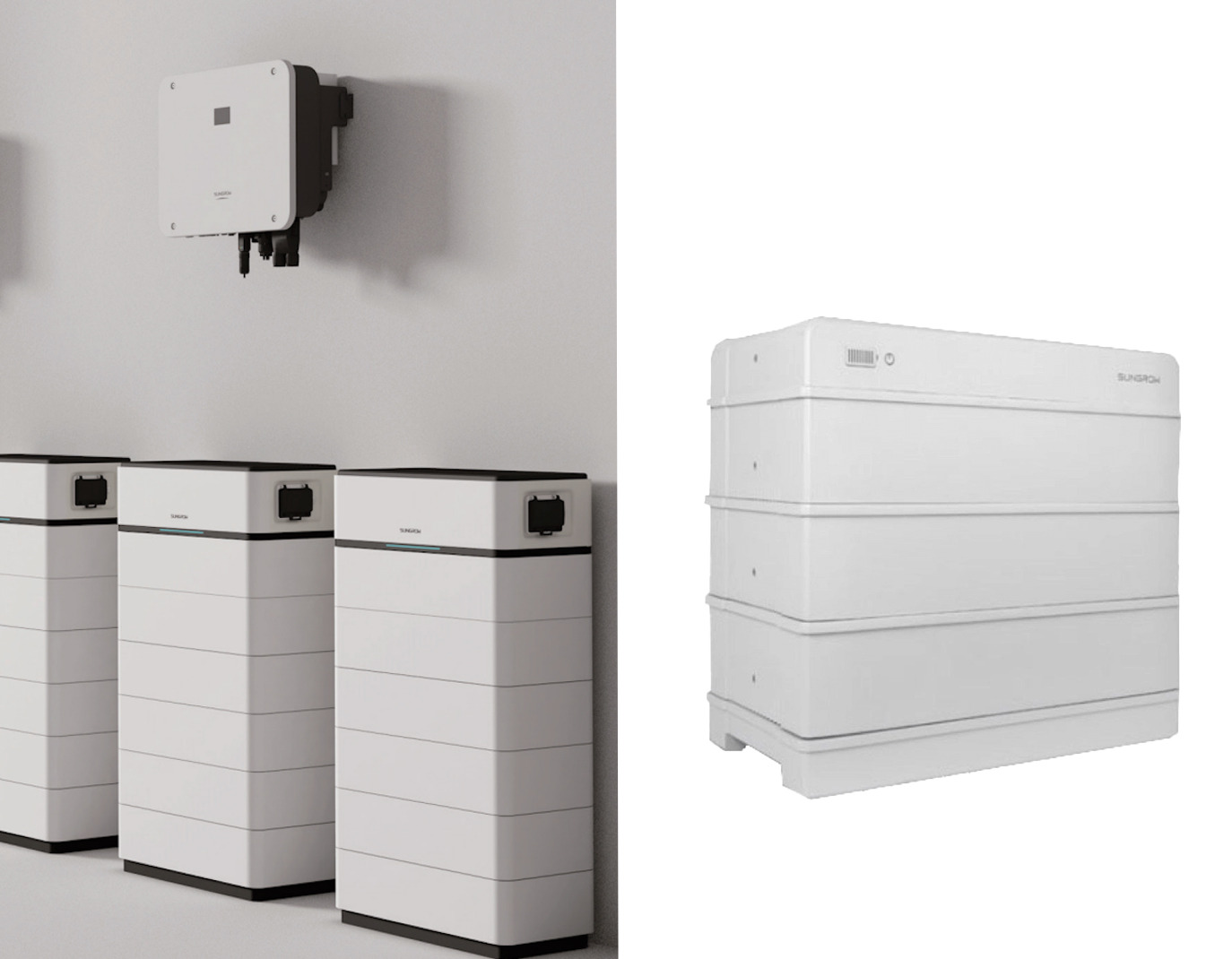
A 10kWh battery is one of the most popular solar battery sizes for Australian homes. It offers a strong balance between useful storage capacity and overall system cost. It also suits many homes that already have solar and want to use more of their own energy instead of relying as heavily on the grid in the evening.
In NSW, the average installed cost of a 10kWh solar battery sits around $9,000 to $13,000. That works out to roughly $900 to $1,300 per kWh installed. The final price depends on the battery brand and how simple or complex the installation is.
The total installed price usually includes more than the battery itself. It can also include labour, electrical work, safety components, monitoring setup, and any switchboard or backup changes needed for the property. A simple solar battery installation may sit closer to the lower end of the range. A more complex setup may cost more.
That is why there is no single battery price that suits every home. The best quote depends on your electricity usage, your existing solar system, and the battery setup that fits your property properly.
Save before battery rebates drop
Talk to one of SolarBright’s solar battery experts about battery options around 10kWh. Save before battery rebates go down.
A 10kWh solar battery is one of the most popular solar battery for home options because it offers a practical balance of storage capacity, everyday usability, and value for many average households.
A 10kWh battery is a practical fit for many average households because it stores excess solar energy during the day and shifts it into the evening. That is usually when solar production has dropped but household demand is still high. This helps homeowners reduce reliance on grid electricity and make better use of the solar power they already generate.
Average household electricity use in NSW is about 15.5kWh per day. A large share of that usage often happens between 4 PM and 9 PM. That is why a 10kWh battery is often seen as a smart size for average homes. It can cover a large portion of nighttime demand for many households.
For many homeowners, that means lower evening grid imports, better solar self-consumption, and more protection against rising electricity costs.
Battery rebates and incentives can make a real difference to the upfront cost of a system. A 10kWh class battery can attract over $3,300 through the Federal Battery Rebate, plus over $1,000 in additional incentive value. That can bring total savings to more than $4,300 on an eligible installation.
Rebate eligibility depends on certified installation, and regional pricing or more complex jobs can affect the final installed cost.
This is why battery pricing should always be looked at in context. The headline battery cost matters, but the installed price after available savings is often the more useful number.
For many homes, yes. A 10kWh battery is often enough to cover a large share of evening electricity use, especially when it is paired with a suitable solar system. The most important factor is not just the battery size itself. It is how well that battery matches the home’s actual usage pattern.
A good starting point is to review your electricity bills across the year. Look at your average daily usage. Then look at how much of that usage happens at night. During the day, your solar system powers the home first. Any extra generation charges the battery. The stored electricity is then used later in the evening.
If your household uses more electricity after sunset, a 10kWh battery can be a very practical size. If your usage is higher than average, you may need a larger or expandable system.
Your solar system must produce enough electricity during the day to run the home and still leave enough spare energy to charge the battery. In NSW, a typical solar system produces around 3.9kWh per day for each 1kW of system size, averaged across the year. That means a 6.6kW solar system can produce about 25.74kWh per day on average.
That is why a 6.6kW solar system paired with a 10kWh battery is such a common combination. On average, that level of solar generation can cover daytime use, charge the battery, and still leave some energy available for export. Actual output still varies with season, weather, roof angle, and shading.
Not every battery comes as an exact 10.0kWh system. Many leading brands use modular battery designs. That means the closest match to 10kWh may sit slightly below or slightly above that number.
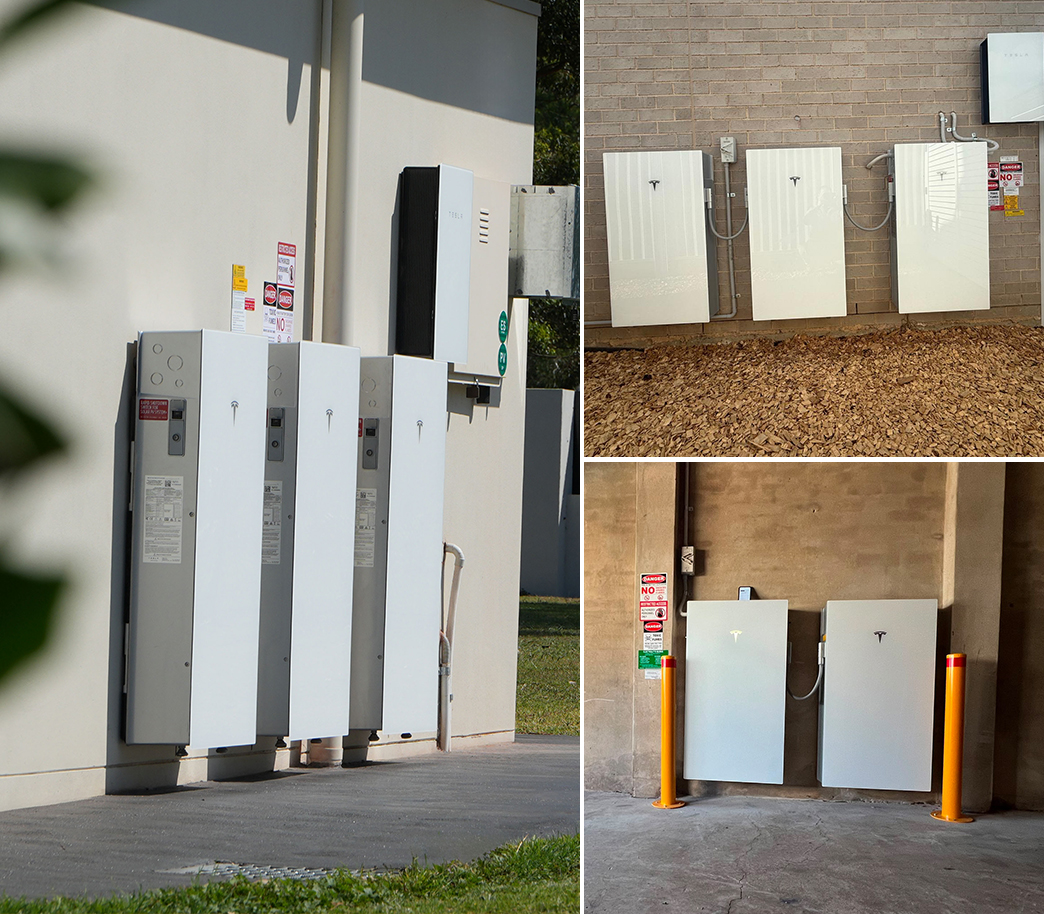
Tesla Powerwall 3 sits above the usual 10kWh category. It is better suited to homeowners who want a larger all-in-one battery from the start. It can also be expanded further with a Powerwall 3 Expansion Pack if more storage is needed later. This makes Tesla a strong option for buyers who are comfortable stepping above the 10kWh range rather than matching it exactly.
Sungrow SBR is one of the closest matches for homeowners shopping around the 10kWh mark. A common setup is 9.6kWh, which sits very close to 10kWh and works well for many average homes. It is a practical option for buyers who want a battery in the 10kWh class without moving too far above that size.
The key features highlighted for this battery include a 10-year warranty, emergency backup power, a smart and safe design, and a user-friendly monitoring app. Those features add real value beyond storage capacity alone.
Sungrow SBH is another modular battery range, but it is better suited to homes wanting more storage capacity from the start. It is more relevant for households with higher electricity demand or bigger battery goals. For homeowners targeting a 10kWh class battery, SBH may be larger than necessary. For bigger homes, it can be worth considering.
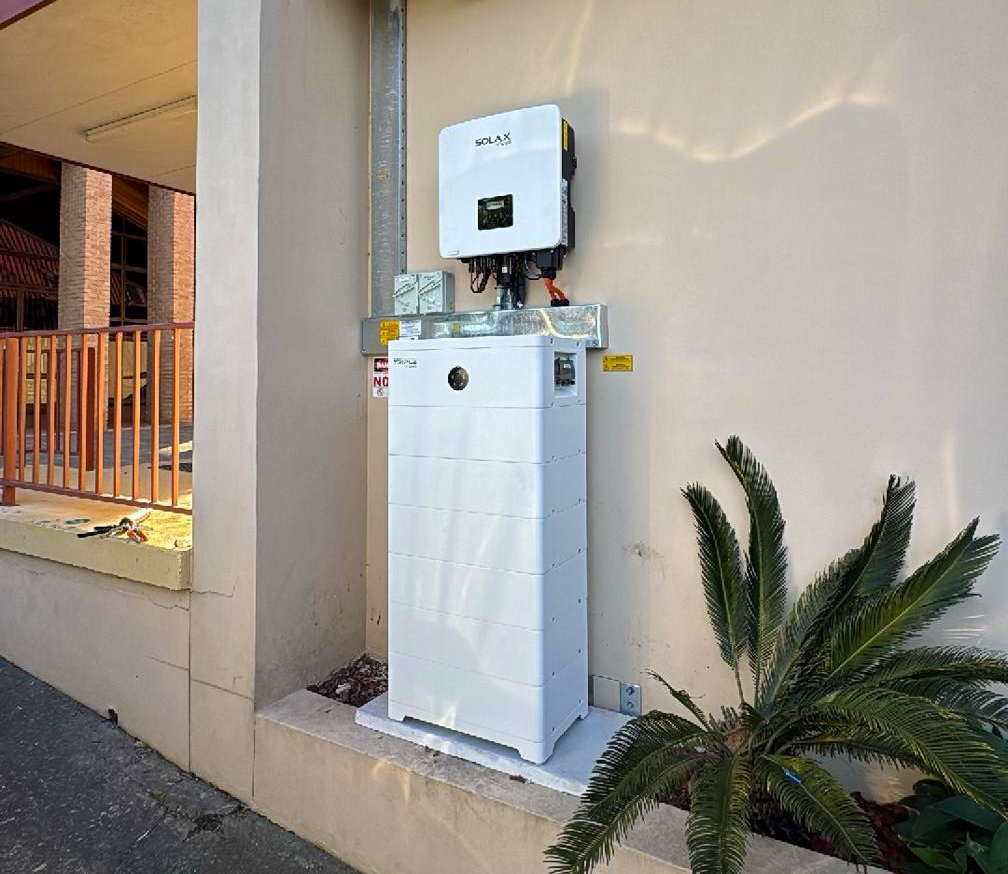
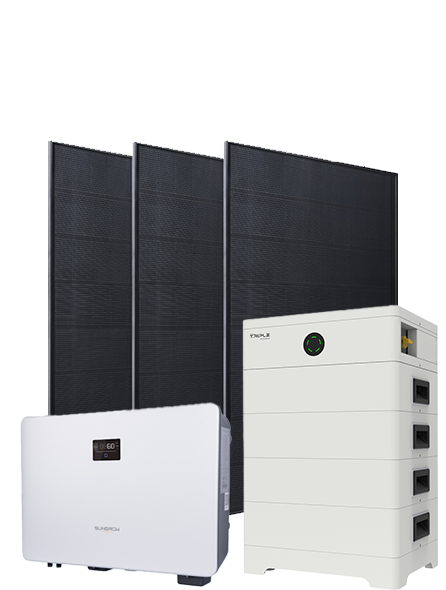
SolaX Triple Power offers another useful option in this category because it uses a 5.1kWh module. A two-module setup comes to 10.2kWh, which is very close to the 10kWh target. That makes it a strong option for homeowners who want modular flexibility while staying close to the 10kWh range.
Modular battery systems give homeowners more flexibility. You can choose a size that suits your current usage and budget, then expand later if your needs grow. That can be useful for homes planning future changes such as electric vehicles, extra cooling, or higher overall electricity demand.
This is why battery sizing should not focus only on finding an exact round number. A 9.6kWh system can be a strong fit. A 10.4kWh system can also be a strong fit. In some homes, a larger option such as Tesla Powerwall 3 may make more sense. The right answer depends on your usage, your solar generation, and what you want the battery to do.
Price matters, but it should not be the only factor. Homeowners should also compare warranty length, backup capability, expandability, monitoring, safety, brand support, and installation quality. These details shape the long-term value of a battery system just as much as the upfront price does.
A battery that is sized correctly and installed properly will usually deliver better long-term value than a cheaper option that does not match the household well.
Choosing the right battery is important, but what happens after installation matters too. Strong post-installation support helps homeowners with app setup, system monitoring, backup settings, warranty guidance, and any questions that come up after handover.
It also gives you a clearer support path if anything needs attention later, which can make battery ownership much easier and more reassuring over the long term.
SolarBright is a multi-award-winning solar battery installer accredited by leading brands including Tesla, Sungrow and SolaX. Beyond delivering quality solar battery installations, we also provide reliable ongoing support, so if something goes wrong with your system, you have an experienced team to turn to.
If you are looking for a solar battery system and want expert advice on the right option for your home, Contact SolarBright or book a free consultation with our team.

Take a Look
Solar Battery Guides
Wall mounted solar batteries are home energy storage systems designed to be secured vertically…
General
Looking for solar roof ventilation for your Australian home? Choosing the right solar roof…
Solar Battery Guides
SolaX has been producing solar inverters and energy storage solutions since 2012 and has…