Roof Ventilation Guides, Solar Roof Ventilation Guides
Do solar roof vents really work?
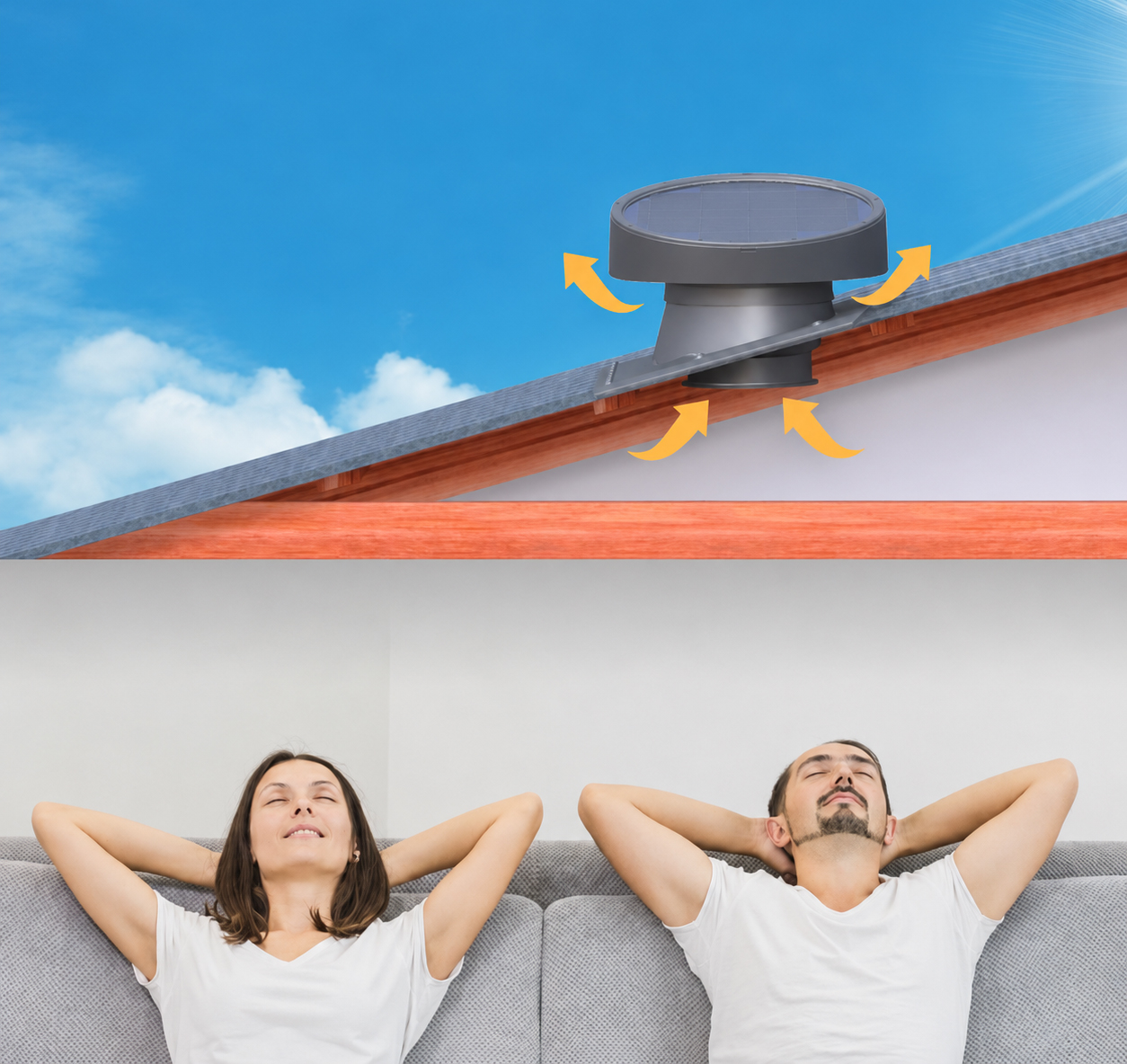
Yes, solar roof vents really work. They use solar energy to power a fan…
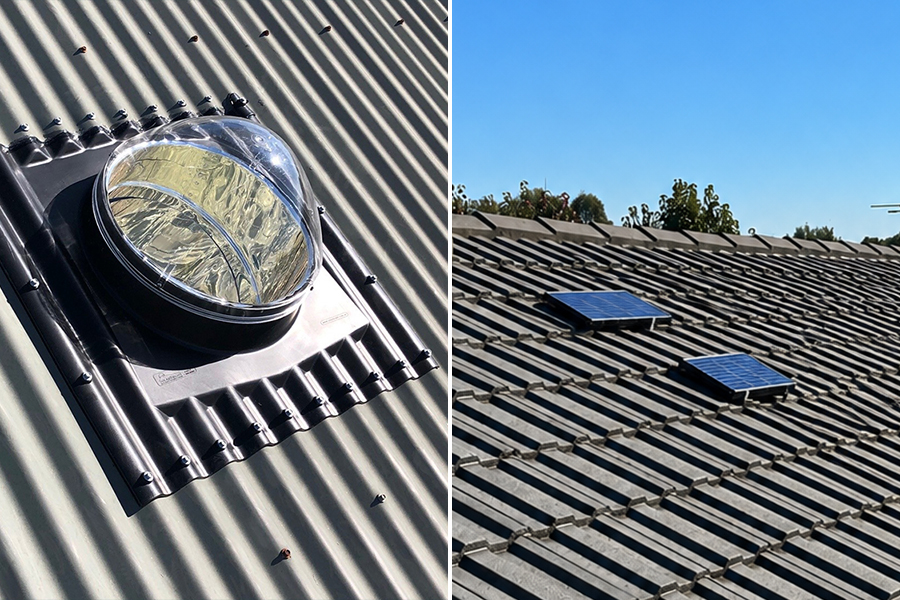
Some rooms stay dark even on a sunny day. Your bathroom might have no window, your hallway might run through the middle of the house or your kitchen bench might sit in shadow. Start by deciding where you need more light and when you use that part of the room.
Traditional glazed and tubular skylights bring natural daylight indoors. A solar LED skylight uses sunlight to power a ceiling light. How each system gets light into the room affects where it can go and how much work it takes to install.
SolarBright’s MaxLight tubular skylights come in sizes for small bathrooms, hallways and larger living areas. MaxLED solar skylights offer a flexible alternative when a tubular skylight would need a long tube run or when roof framing or ducting leaves little room to route the tube.
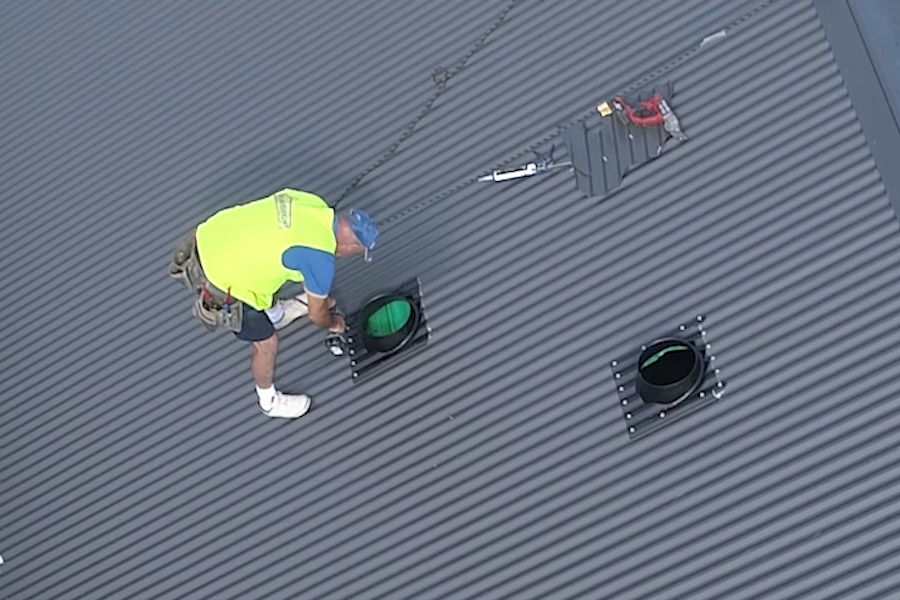
Start with your roof type, how easily an installer can access it and what sits between the roof and ceiling. These details help determine where the skylight can go and how much work the installation will take.
A traditional glazed skylight can bring a broad spread of daylight into a room and give you a view of the sky. The window needs a roof opening and may also need a framed and plastered light shaft to carry daylight down to the ceiling.
A tubular skylight carries daylight through a reflective tube. Its smaller opening generally requires less roof and ceiling work. Check whether the tube has a clear route around framing and ducting.
A solar LED skylight uses a compact rooftop panel connected by a cable to an LED ceiling fitting. The installer needs a sunny spot for the panel and a suitable route for the cable.
If there’s room to run a tube from the roof to the ceiling, MaxLight can bring natural daylight directly into the room. If framing or ducting makes a tube difficult to run, MaxLED gives you more flexibility to place the ceiling light where you need it.
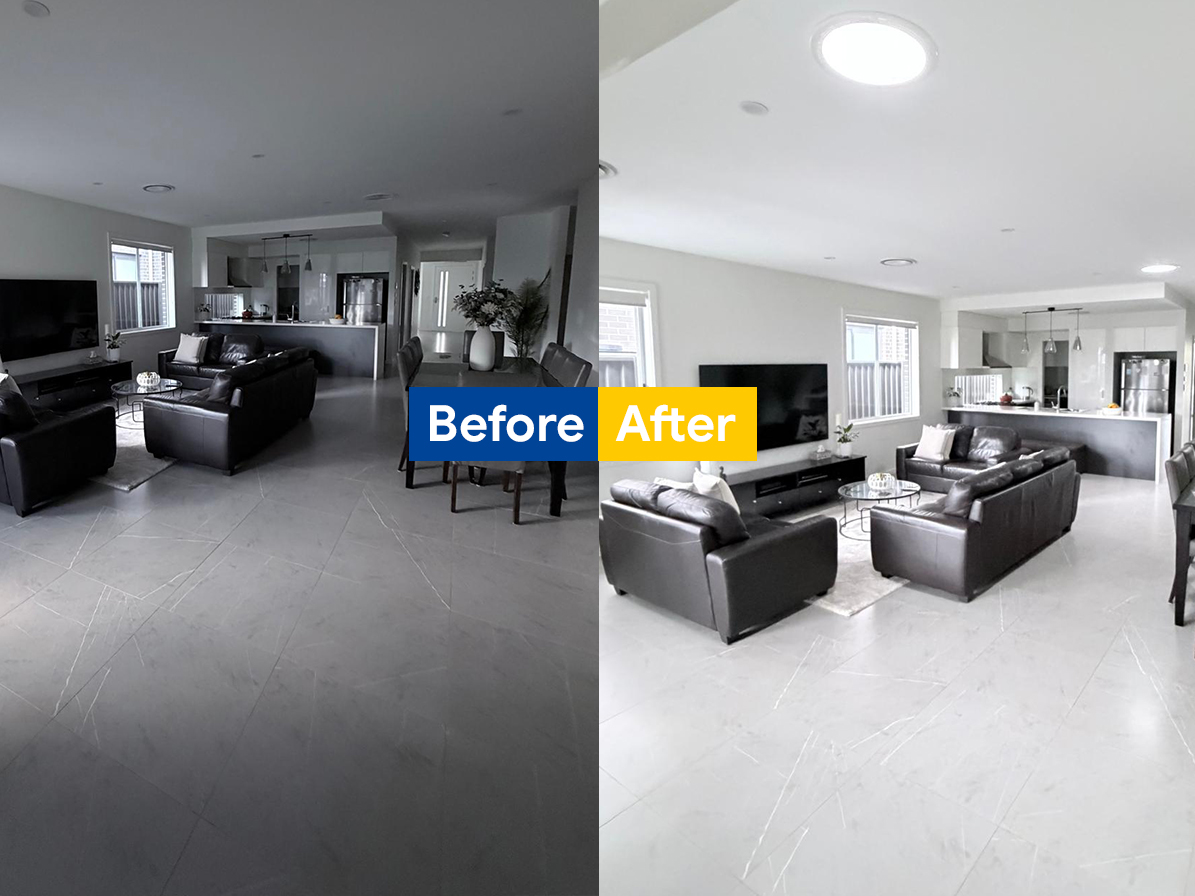
Measure the area you want to brighten and look at where daylight already reaches. A shaded kitchen bench may need one fitting above the prep area. In a long hallway, two smaller fittings spaced apart can help light reach both ends.
For a traditional glazed skylight, think about where daylight from the roof window will fall. With a tubular skylight, a wider tube can bring in more daylight, and a shorter, straighter route helps more of it reach the ceiling diffuser. For a solar LED skylight, compare light output in lumens and factor in ceiling height and the position of the fitting.
Both MaxLight tubular skylights and MaxLED solar skylights come in several sizes. Use the tables below to find a starting point for your room.
| Model | Indicative light coverage | Where to start |
| MaxLight ML250 | Up to 18 m² | Bathrooms, laundries, walk-in robes and short hallways |
| MaxLight ML400 | Up to 25 m² | Kitchens, dining rooms and living areas |
| MaxLight ML550 | Up to 32 m² | Large open areas and commercial spaces |
Actual daylight coverage depends on roof exposure, tube length and bends. Compare MaxLight models.
| Ceiling fitting | Rated light output | Where to start |
| 250 mm | 1,500 lumens | A bathroom, laundry or short hallway |
| 400 mm | 2,000 lumens | A wider area or a spot that needs more light, such as a kitchen bench |
Both fitting sizes are available in MaxLED Standard for daytime lighting and MaxLED24, which stores solar energy in a battery for use after dark. Compare MaxLED models.
For more examples by room, see our guide to choosing a skylight size.
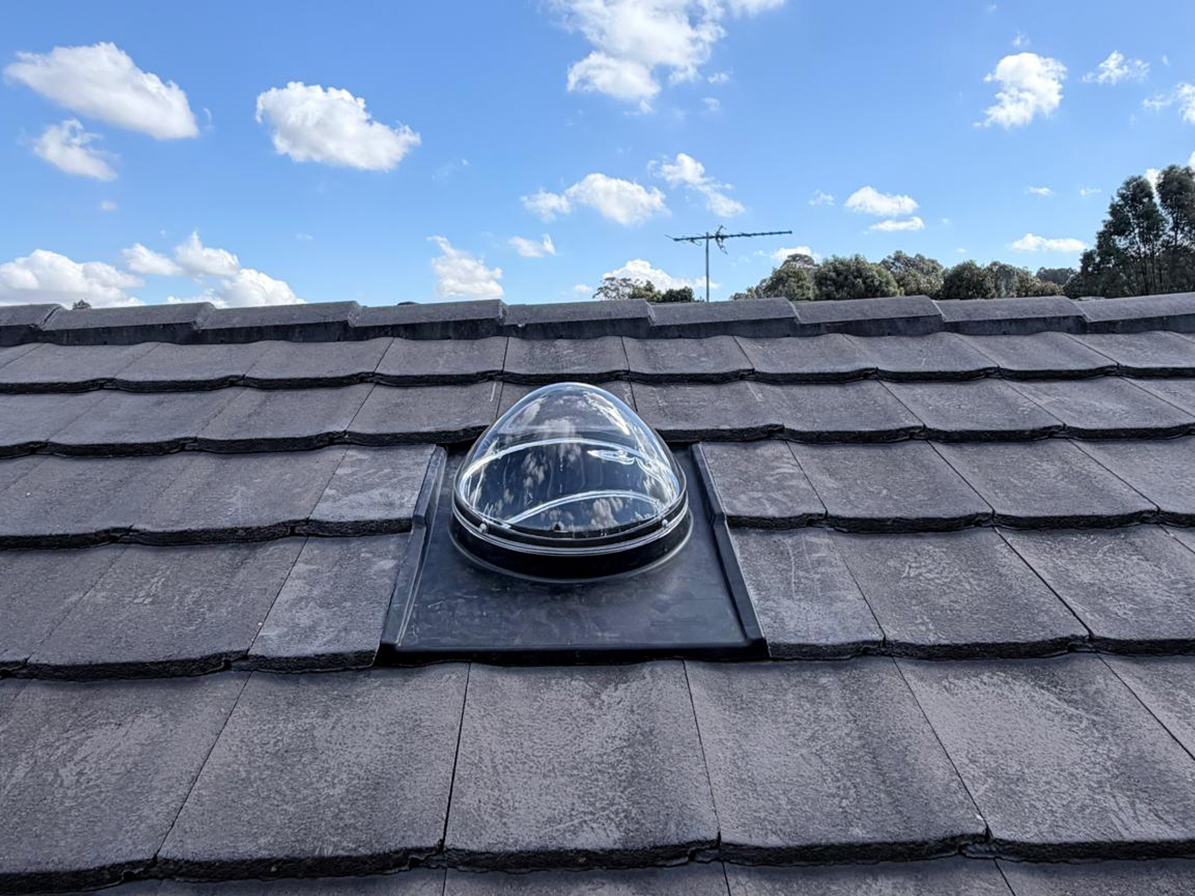
Compare the materials, weatherproofing and warranty cover for each model. For a traditional glazed skylight, look at the glazing, options for glare control and whether the window opens for ventilation.
With a tubular skylight, check how the dome collects daylight and how evenly the diffuser spreads it. With a solar LED skylight, compare the light output, controls and battery options. For all three types, look at how the unit fits your roof and what support comes with it.
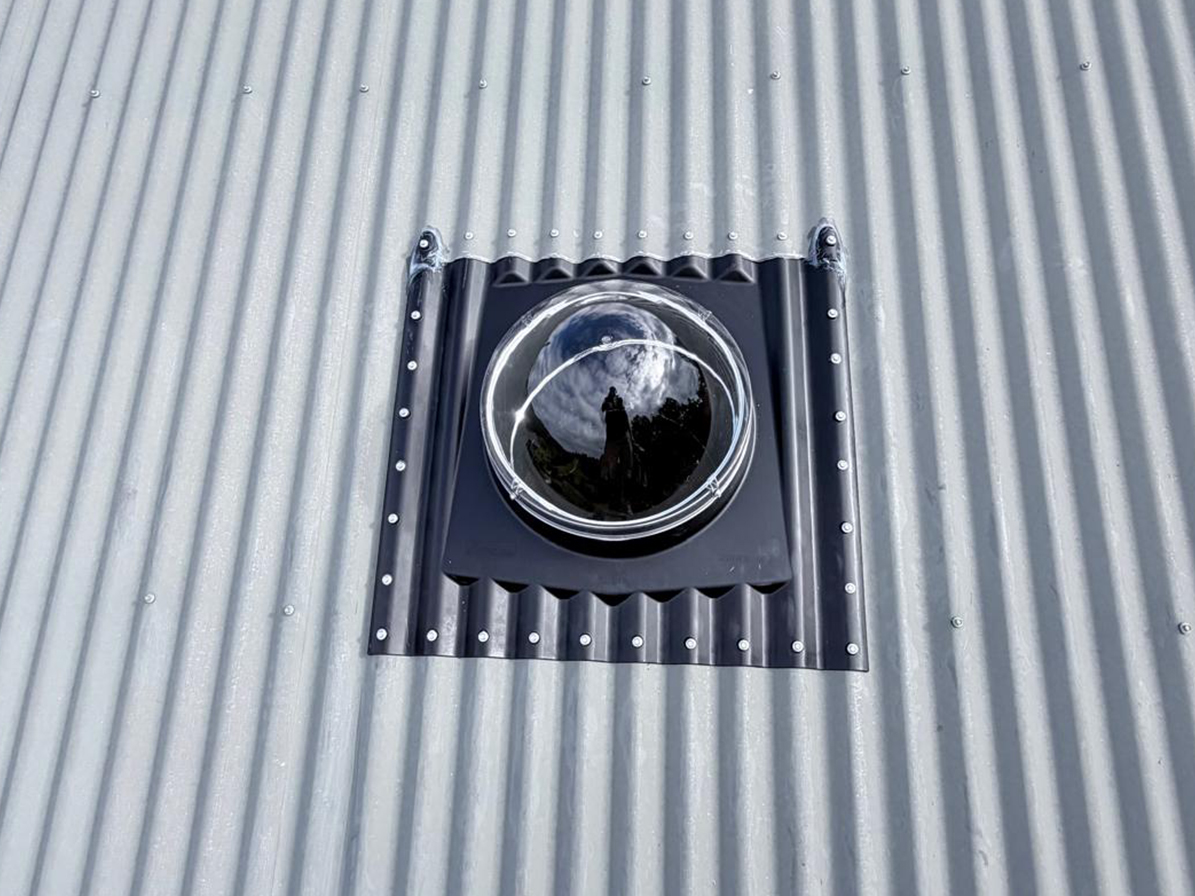
We design and make MaxLight tubular skylights in Australia. We offer flashings for most Australian roof types, including corrugated metal, concrete tiles and terracotta tiles.
The Raycatcher® dome is UV-stabilised and hail-resistant. Inside, a triple-lens diffuser spreads daylight across the room.
The reflective tube has a 20-year warranty.
We design MaxLED solar skylights in Australia. They can suit all roof types with the right panel mount, good solar exposure and a suitable cable route. Ask your installer how they’ll weather-seal the cable entry where it passes through the roof.
The solar panel has a 10-year warranty, and the LED fitting and MaxLED24 battery each have three years of cover.

Ask where the company is based, where it designed the skylight and which local conditions shaped that design. Look for practical details about the roof profiles, ceiling layouts and weather the designers considered.
For a traditional glazed skylight, compare glazing and shading options for a roof that gets strong afternoon sun.
For a tubular skylight, check how the design handles exposed roof positions and different distances between the roof and ceiling.
For a solar LED skylight, look for panel mounts suited to your roof material and enough flexibility to run a cable through a shallow or crowded roof space.
MaxLight Tubular skylights are designed and made in Australia.
MaxLED Solar skylights are designed in Australia.
A product warranty covers specified parts. An installation warranty covers workmanship under the installer’s terms. Ask how long the cover lasts, who handles a claim and whether fixing a covered fault includes the labour and return visit.
| Skylight type | Installation faults to ask about |
| Traditional glazed | Leaks caused by poorly fitted flashing or roof seals, or faults in the finished light shaft |
| Tubular | Incorrectly fitted flashing, unsecured tube joints or a loose ceiling diffuser |
| Solar LED | Loose panel mounts, leaks around the cable entry or an incorrectly secured ceiling fitting |
MaxLight tubular skylights come with a 20-year product warranty on the reflective tube.
MaxLED solar skylights come with a 10-year product warranty on the solar panel and three years of cover on the LED light and battery.
We back the MaxLight and MaxLED skylights we install with at least one year of workmanship cover.
If you spot a problem with the skylight installation, contact us and we’ll assess it and fix any fault covered by the warranty.
Book a free consultation and tell us which room you’d like to brighten, what kind of roof you have and whether you need light after dark.
We’ll help you choose between MaxLight tubular skylights and MaxLED solar skylights, recommend a size and explain what installation involves.
Bring more natural light into your home with MaxLight tubular skylights, proudly designed and manufactured in Australia for local homes and conditions.
Find out more
Bring more natural light into your home with MaxLight tubular skylights, proudly designed and manufactured in Australia for local homes and conditions.
Find out more
Take a Look
Roof Ventilation Guides, Solar Roof Ventilation Guides
Yes, solar roof vents really work. They use solar energy to power a fan…
Skylights Guides, Tubular Skylight Guides, Solar Skylight Guides
Choosing a skylight involves more than matching a fitting to your room’s floor area.…
Solar Battery Guides, Solar Panels Guides
Your solar system and battery should work together to suit your household’s electricity usage.…