
Solar Battery Guides
Top 10 reasons to choose Tesla Powerwall 3
Tesla Powerwall 3 is one of Australia’s most popular solar batteries and a fully…
Australian homes can build up a lot of heat in the roof cavity, especially during warmer months. Once that hot air becomes trapped, it can radiate down into your living areas, making your home feel hotter and forcing your cooling system to work harder.
This is where solar roof ventilation can make a big difference. A solar roof ventilator helps remove hot, stale air from the roof space using free energy from the sun. But for better comfort and smarter operation, many homeowners now look for thermostat controlled solar roof ventilation.
A thermostat helps the ventilator run only when it is needed, instead of operating unnecessarily when the roof space temperature is already comfortable.
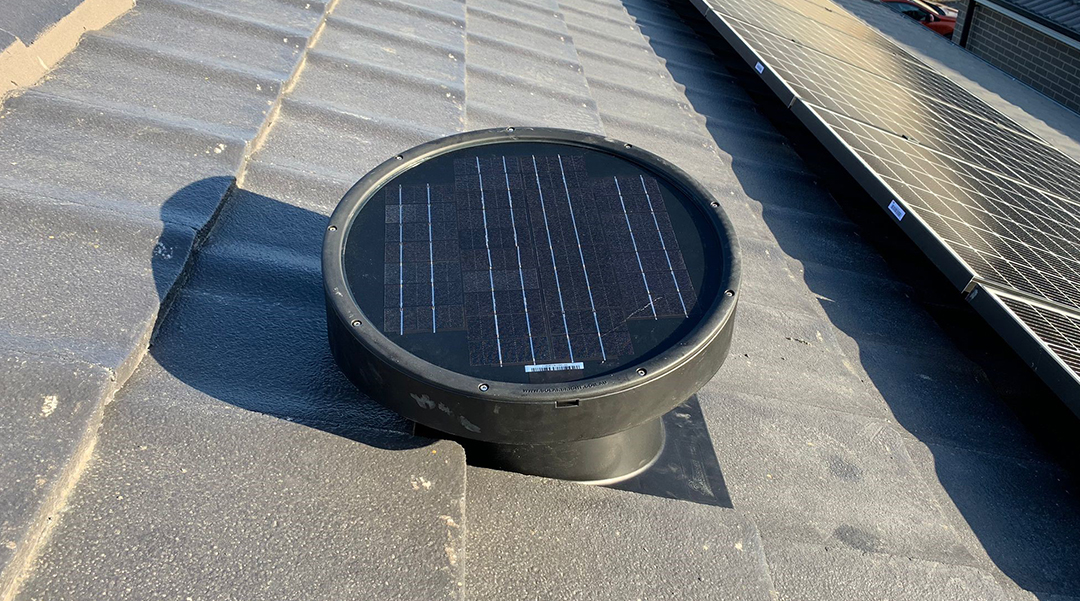
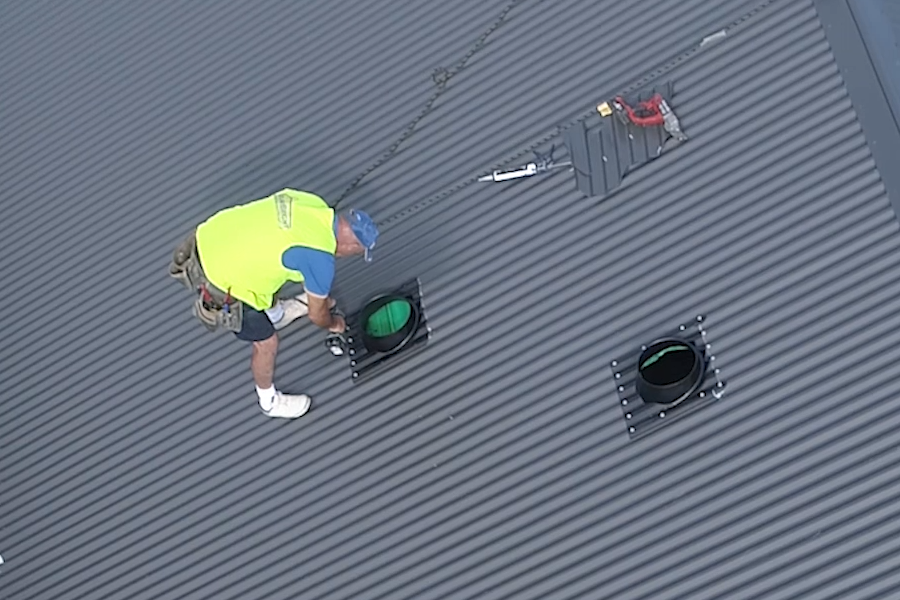
Solar roof ventilators are installed on the roof and powered by a solar panel. When the sun is shining, the solar panel powers the fan inside the ventilator.
The fan then draws hot air out of the roof cavity and helps replace it with fresher outside air through existing roof gaps, vents or eaves.
This process can help:
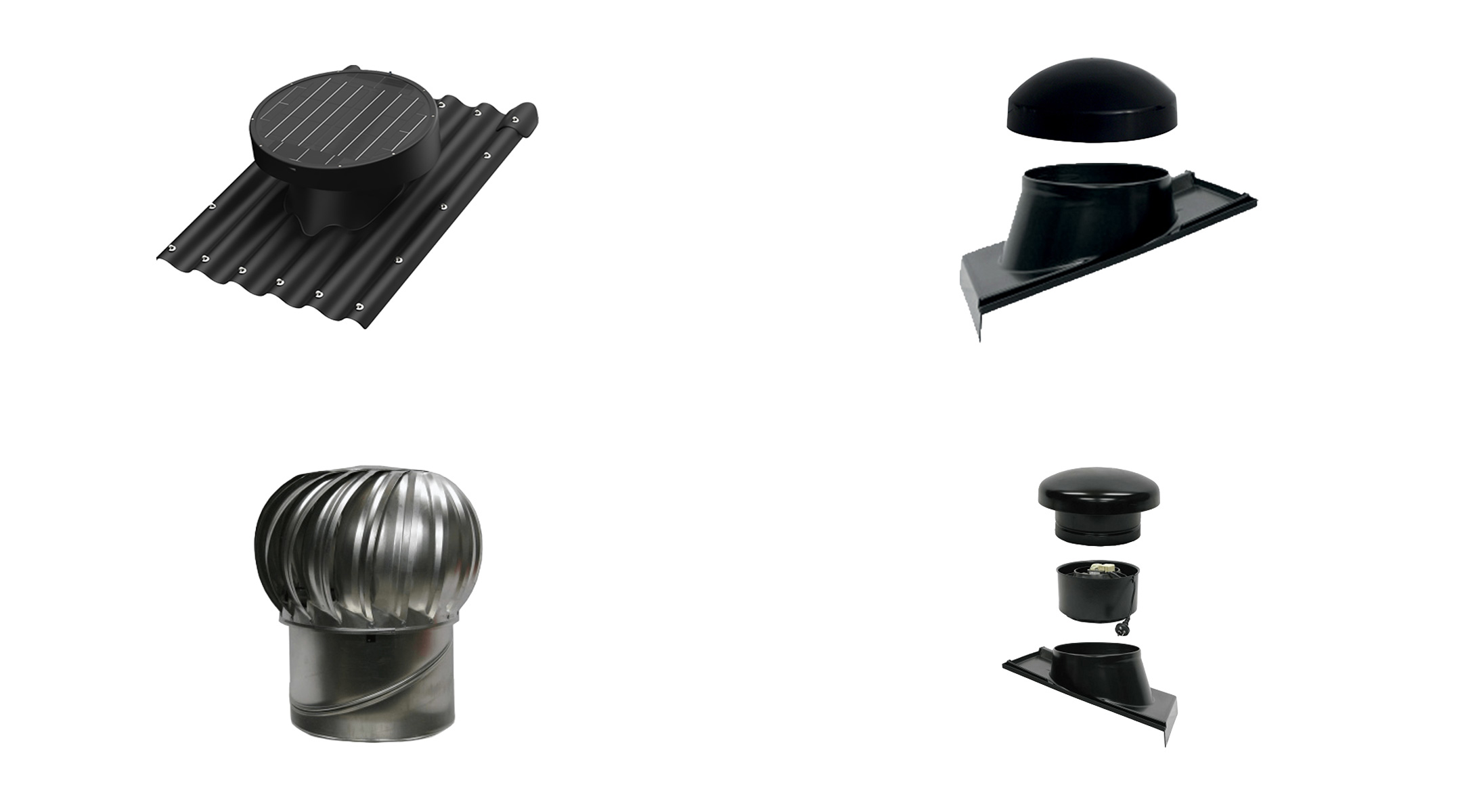
Unlike traditional powered roof fans, solar roof ventilators do not rely on mains electricity during daytime operation. They use solar energy, making them a practical and energy-efficient ventilation option for Australian homes.
A thermostat is a temperature-sensitive control system. It turns a device on or off depending on the temperature around it.
In simple terms, thermostat control means the ventilator does not just run all the time. Instead, it starts operating when the roof space reaches a set temperature.
For solar roof ventilation, this is useful because the fan only needs to remove hot air when the roof cavity becomes warm enough to require ventilation.
With a thermostat controlled solar roof ventilator, the system monitors the temperature in the roof cavity.
Once the temperature reaches the set threshold, the fan starts working and begins extracting hot air from the roof space. When the temperature drops below the set level, the fan can stop operating.
This makes the system more practical because it responds to the actual roof space temperature, rather than running when ventilation is not really needed.
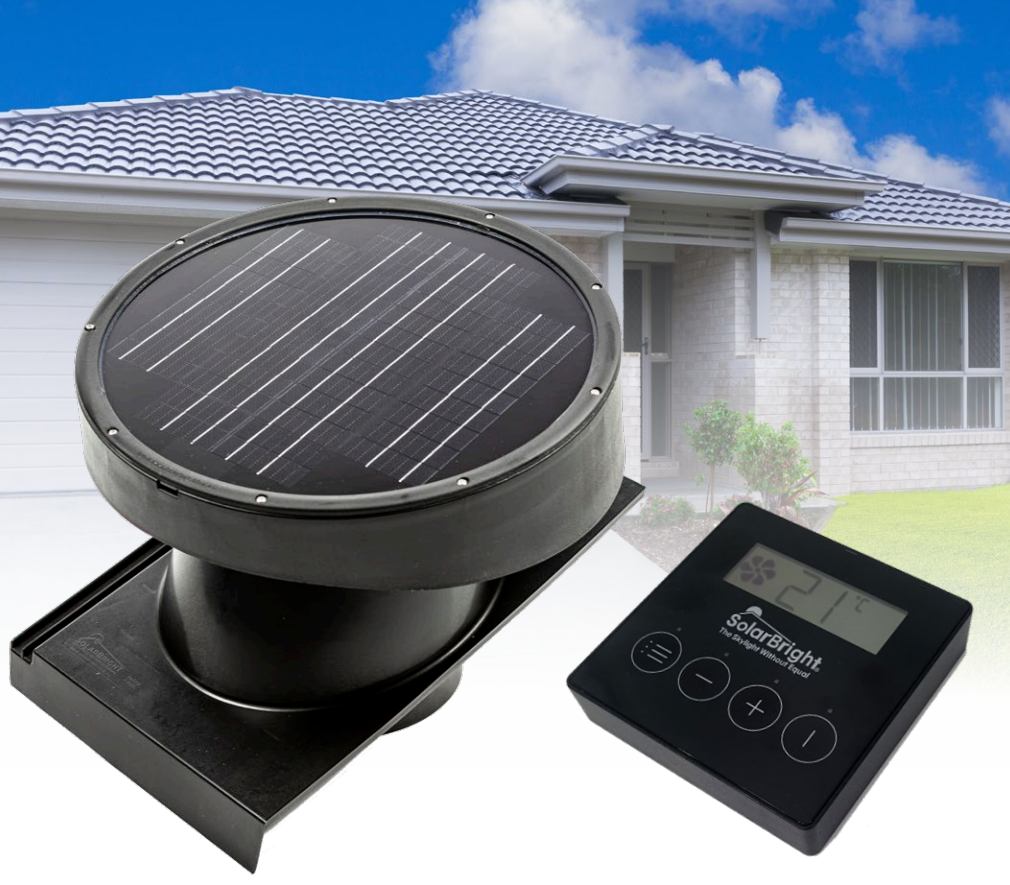
SolarBright’s MaxBreeze Solar Roof Ventilation is designed to help Australian homes reduce heat build-up in the roof space and improve airflow.
Built for local roof types and climate conditions, MaxBreeze is made to perform in Australian homes where roof cavities can become extremely hot during summer.
One of the key advantages of MaxBreeze is its built-in thermostat function. The system is designed to start operating once the temperature reaches 25°C, helping extract hot air when the roof space begins to warm up.
This makes MaxBreeze a smart option for homeowners who want solar powered roof ventilation with automatic temperature-based operation.
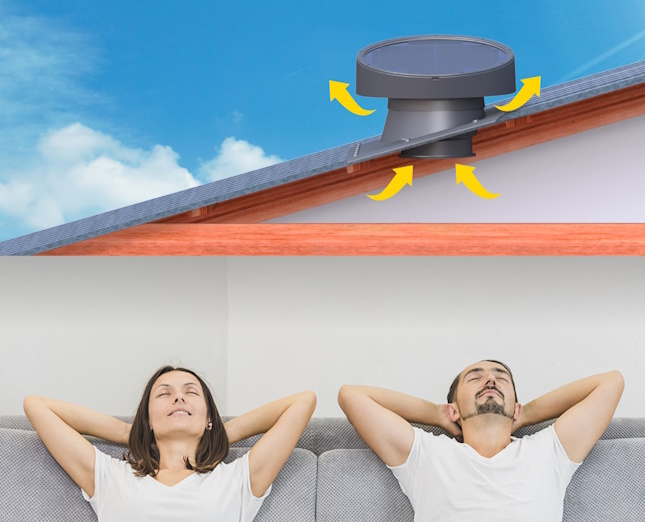
During warmer conditions, heat can build up quickly inside the roof cavity as hot air becomes trapped under the roof. This can increase the temperature in the roof space and make the home feel warmer below.
MaxBreeze uses its built-in solar panel to convert sunlight into electricity, which powers the fan motor during the day. Once the roof cavity reaches 25°C, the thermostat automatically activates the fan.
The fan then helps pull hot, stale air out of the roof cavity, allowing cooler air to enter through the eaves and improve airflow. This helps reduce heat build-up and maintain a more comfortable roof cavity temperature automatically.
Some homeowners may want more control over when their solar roof ventilator starts and stops. This is where the MaxBreeze Plus models are a great option.
MaxBreeze Plus models come with a receiver and remote, giving you extra control over the thermostat settings.
With MaxBreeze Plus, you can:
Adjust the thermostat temperature threshold
You can change the default 25°C setting and choose when you want the ventilator to start. For example, you may prefer it to start at 20°C, 25°C or 30°C depending on your home and comfort needs.
Turn the thermostat on or off as needed
The remote gives you more flexibility, allowing you to control how the thermostat function operates.
This is ideal if you want a more customised roof ventilation setup for your home.
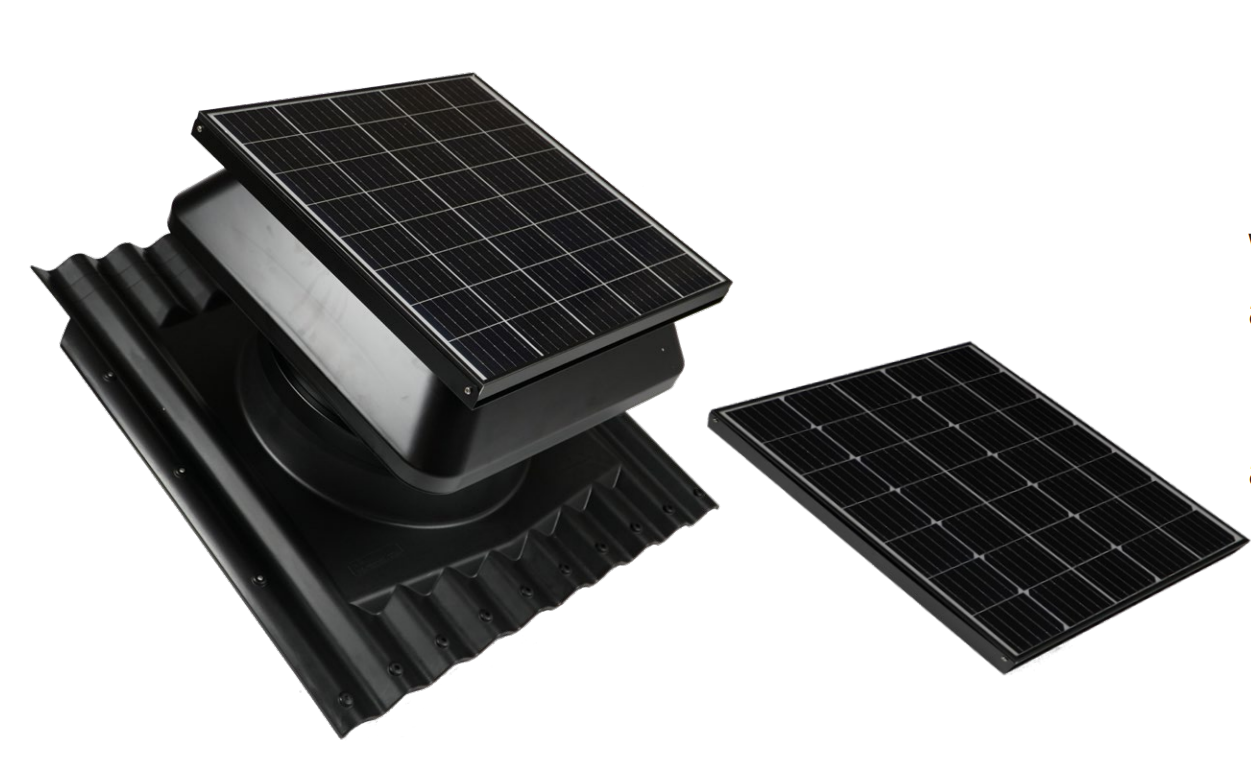
Yes. For homeowners who want ventilation beyond daytime solar operation, MaxBreeze is available in the 400 Zephyr model.
The MaxBreeze 400 Zephyr includes an extra solar panel and battery, allowing the system to store energy during the day and continue working at night using stored battery power.
This can be a good option for homes that need additional airflow after sunset, especially when heat remains trapped in the roof cavity into the evening.
The best solar roof ventilation setup depends on your roof size, roof cavity, home layout and how much control you want over the system.
For many homes, a thermostat controlled solar roof ventilator is a smart choice because it gives you automatic operation based on temperature. For homeowners who want extra flexibility, MaxBreeze Plus provides more control through remote-adjustable thermostat settings. For extended operation into the evening, the MaxBreeze 400 Zephyr offers a day and night solution with battery support.
Contact SolarBright or book a free consultation , and the team can help you find the right MaxBreeze model for your home.
MaxBreeze can move over 20 times more air than whirly-birds. Australian Owned & Designed solar roof ventilators.
Find out more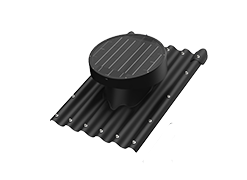
MaxBreeze can move over 20 times more air than whirly-birds. Australian Owned & Designed solar roof ventilators.
Find out more
Take a Look
Solar Battery Guides
Tesla Powerwall 3 is one of Australia’s most popular solar batteries and a fully…
Skylights Guides
In most homes, a standard MaxLight tubular skylight installation can be completed in approximately…
Roof Ventilation Guides
A hot roof space can make your home feel warmer, especially during the Australian…