
Solar Battery Guides
How to find the best SolaX battery deals
SolaX has been producing solar inverters and energy storage solutions since 2012 and has…
Yes, solar skylights are worth it, especially if you want a simple and cost-effective way to brighten dark areas of your home without the complexity of a traditional skylight.
For many Australian homeowners, solar skylights offer a practical alternative to conventional skylights and standard electric lighting. They are easy to install, cost nothing to run and can work in areas where traditional skylights may not be suitable.
In this guide, we explain how solar skylights work, where they are best used, their main advantages and why SolarBright’s MaxLED Solar Skylights are a smart option for Australian homes.
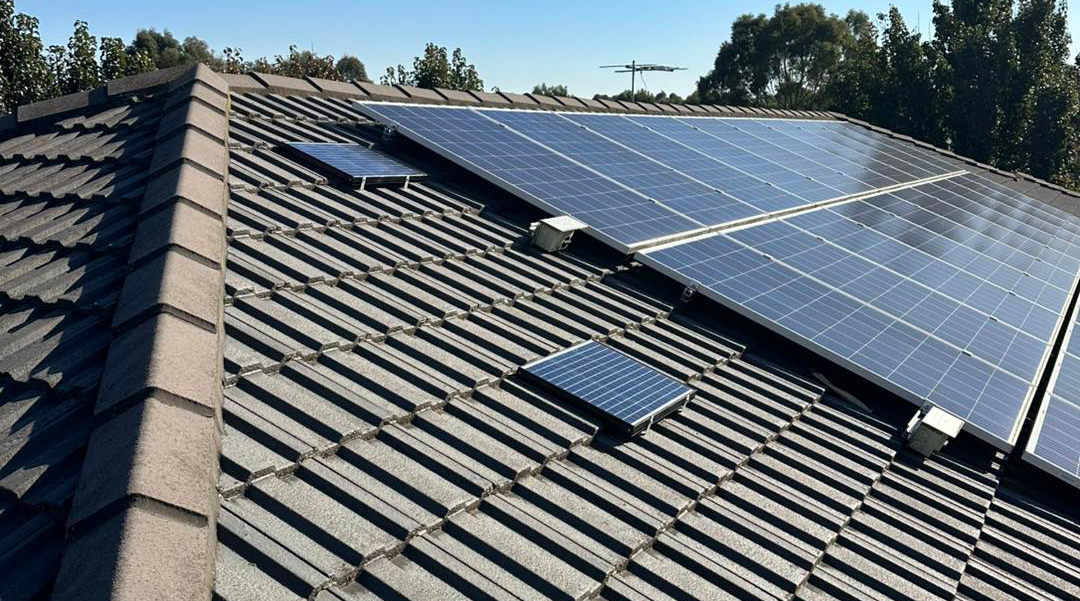
Solar skylights use solar energy to power an LED light inside the home. In most cases, the system includes a small solar panel installed on the roof and a light fitting inside the room.
Unlike a traditional skylight, a solar skylight does not bring sunlight directly through a large roof opening. Instead, it uses the sun to generate power for the LED, creating a bright daylight-style effect indoors.
This makes solar skylights a flexible lighting solution for spaces where a traditional skylight or tubular skylight may be difficult to install.
Solar skylights are ideal for homeowners who like the idea of a tubular skylights but want to avoid the extra hassle that can come with traditional skylights.
There is no need for a large roof cut-out, long shaft or complicated roof flashing, making them a simpler way to brighten dark spaces.
Solar skylights are also useful in areas where traditional skylights or tubular skylights may not reach. Traditional skylights usually need direct roof access above the room, while tubular skylights need a clear path for the tube to carry sunlight from the roof to the ceiling.
Solar skylights are best suited to rooms and areas that often need artificial lighting during the day. These include hallways, bathrooms, laundries, walk-in robes, pantries, stairwells, garages and internal rooms.
In general, most solar skylights are designed to provide daylight-style lighting using free energy from the sun. They offer a simpler alternative to traditional skylights because they rely on a roof-mounted solar panel and an indoor LED light rather than a large roof opening and shaft.
Solar skylights are powered by free energy from the sun. Once installed, they can provide everyday lighting without adding to your electricity bill.
They are ideal for darker areas of the home that feel closed in or underused. By adding daylight-style brightness, these spaces can feel fresher, more open and more comfortable.
Solar skylights are generally easier to install than traditional skylights. Because they do not require a large roof cut-out or complex flashing work, installation can be faster and less disruptive.
Solar skylights are designed to be a simple lighting solution with minimal upkeep. With fewer structural components than many traditional skylight systems, they can be a practical long-term option.
Solar skylights can be installed in areas where a standard skylight may not be suitable. This makes them useful for homes with tricky roof layouts, limited ceiling cavity space, or existing solar panel systems.
SolarBright’s MaxLED Solar Skylights are one of the best solar skylight options in Australia for homeowners looking for a practical, energy-efficient and easy-to-install lighting solution.
Created by an Australian owned company, the MaxLED range is designed for Australian homes and conditions. It provides a smart way to brighten darker rooms using solar power, without the ongoing electricity use of standard lighting.
The MaxLED Solar Skylights range includes different options, such as a standard model and a Day & Night model for extended use.
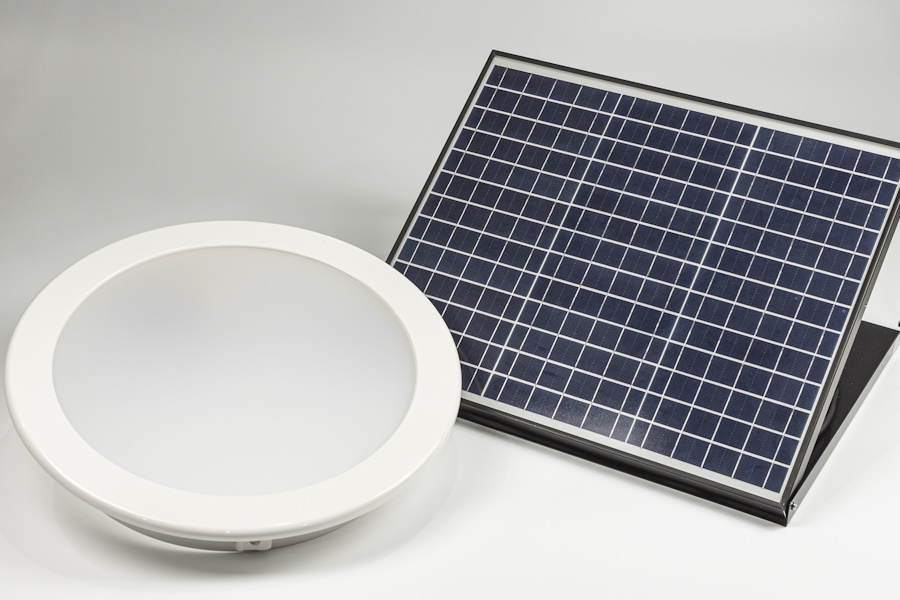
Here are the main reasons MaxLED Solar Skylights stand out from other solar skylight options.
The MaxLED is much easier to install compared to standard skylights. Its simple design makes it suitable for DIY installation, giving homeowners a practical option without major roof work.
The solar powered MaxLED is suitable for installation on virtually any roof type. It also requires no flashings, which helps make the system more flexible across different homes.
The MaxLED Day & Night model includes a built-in battery that charges during the day and powers the LED light at night. An AC powered model is also available for homeowners who want an additional power option.
The MaxLED is available in two light sizes to suit different room types. The 250mm model provides 1500 lumens, while the larger 400mm model provides 2000 lumens of brightness.
Because the Day & Night model is not connected to the grid, it can continue to provide light during a blackout. This is especially useful for key areas such as hallways, bathrooms and laundries.
The MaxLED uses free solar energy from the sun to power the light. This helps brighten your home without increasing your electricity usage.
A premium feature of the Day & Night model is the built-in movement sensor. The light automatically turns on when you enter a dark room and switches off 10 minutes after you leave.
With the Day & Night model, you can adjust the LED brightness using the dimmer remote control. This allows you to set the right light level for the room, from soft background lighting to brighter everyday use.
Yes, solar skylights are worth it for many Australian homes.
They provide a simple way to brighten dark spaces, reduce reliance on daytime electric lighting and avoid the complexity of a traditional skylight installation.
For homeowners looking for a flexible and Australian-designed solution, SolarBright’s MaxLED Solar Skylights are a strong choice. With options such as Day & Night lighting, built-in battery power, motion sensor control, dimmable brightness and blackout support, MaxLED offers more than a basic solar skylight.
Contact SolarBright or book a free consultation and let our team help you choose the right solar skylight solution.

Australian designed and owned solar skylights, made for Australian homes.
Find out more
Australian designed and owned solar skylights, made for Australian homes.
Find out more
Take a Look
Solar Battery Guides
SolaX has been producing solar inverters and energy storage solutions since 2012 and has…
Solar Battery Guides
Tesla Powerwall 3 is one of Australia’s most popular solar batteries and a fully…
Skylights Guides
In most homes, a standard MaxLight tubular skylight installation can be completed in approximately…