Roof Ventilation Guides, Solar Roof Ventilation Guides
Whirlybird Replacement
Quick answer: Solar roof ventilation is one of the most effective upgrades for an…
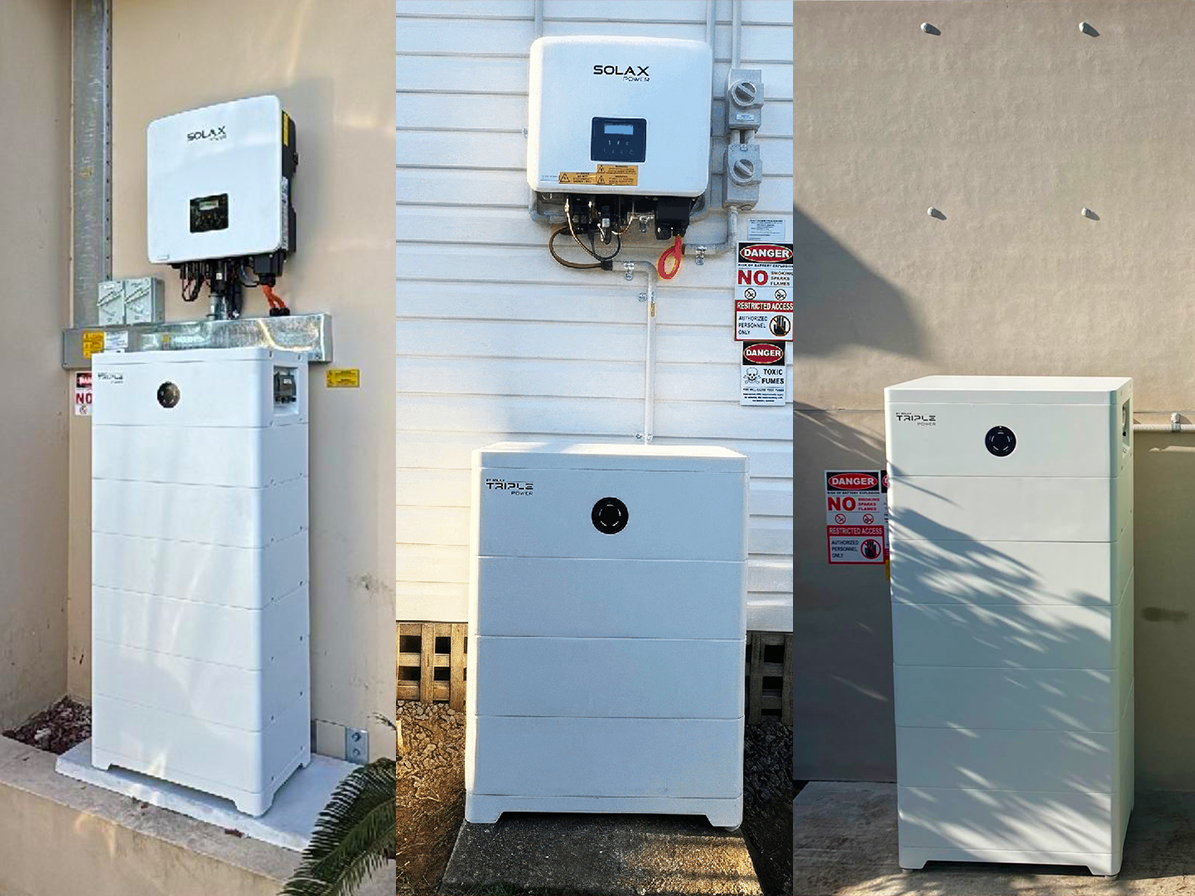
Modular solar batteries offer a flexible way to store solar energy for use after sunset. By combining individual battery modules, you can choose a storage capacity that suits your household, budget and future plans.
However, choosing the right system involves more than comparing battery sizes. Expansion options, rebates, warranties and the installer’s support all affect the value you receive.
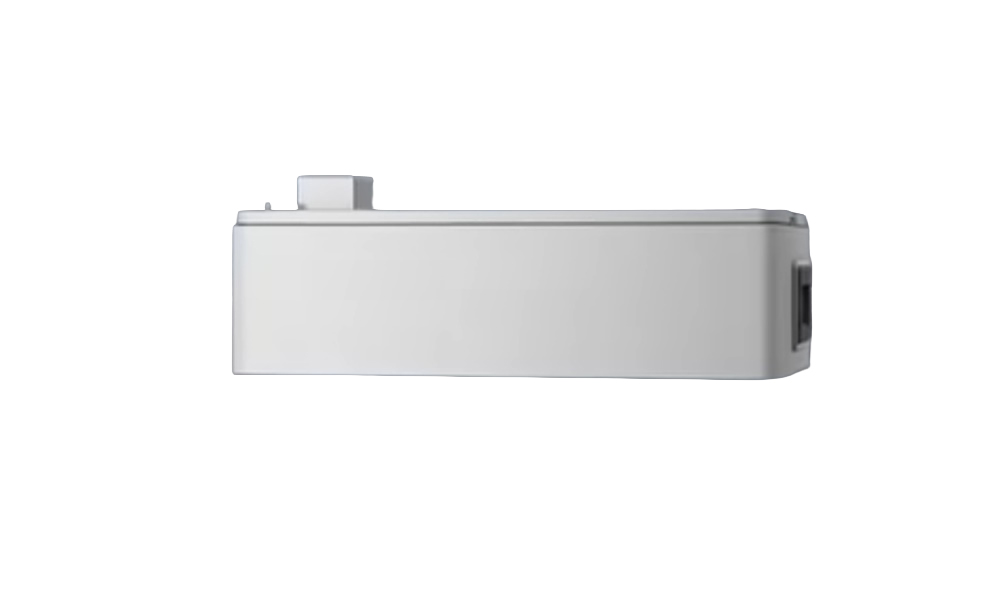
Solar battery modules are individual units containing rechargeable battery cells. Several compatible modules connect to form a larger battery system, with a battery management system monitoring and controlling their operation.
Your solar panels generate electricity during the day. When production exceeds your household’s needs, solar battery can store surplus energy for use in the evening or overnight.
For example, a battery system using 5kWh modules could combine four modules to provide 20kWh of storage. Available configurations depend on the battery model and compatible inverter.
Modular solar batteries allow you to increase storage as your household’s energy needs change.
You might need more capacity after installing additional solar panels, switching to electric appliances or increasing your evening electricity use. A modular system can provide an expansion pathway without replacing the entire battery.
Choosing a smaller configuration can reduce your initial investment compared with a larger version of the same battery system.
This allows you to purchase storage that suits your current needs and budget, with the possibility of expanding later.
However, future additions may involve another installation visit, additional labour and different rebate eligibility.
Modular systems provide several capacity options, making it easier to match storage to your home.
The right size depends on your evening and overnight electricity use, surplus solar generation, seasonal demand and backup priorities.
A battery that is too small may run out before morning. An oversized battery may leave you paying for capacity you rarely use.
Also, storage capacity and power output are different. Adding more kilowatt-hours of storage does not automatically increase how many appliances the system can run at once.
Modular construction can make individual components easier to replace. If one module develops a confirmed fault, replacing that module may restore operation without replacing every module in the system.
However, modularity does not automatically guarantee redundancy. A faulty module can stop an entire battery stack from operating.
NSW homeowners installing an eligible modular solar battery can access an upfront discount through the Australian Government’s Cheaper Home Batteries Program.
Eligible systems must have a nominal capacity between 5kWh and 100kWh, with support applying to the first 50kWh of usable capacity.
The level of support varies according to usable battery capacity:
| Portion of usable battery capacity | Applicable share of the STC factor |
| First 14kWh | 100% |
| Above 14kWh to 28kWh | 60% |
| Above 28kWh to 50kWh | 15% |
| Above 50kWh | No additional STCs |
For example, a battery with 20kWh of usable capacity receives the full STC factor on its first 14kWh and 60% of the factor on the remaining 6kWh. The final discount also depends on the installation date and certificate value.
A smaller battery generally requires less upfront investment. It may suit a household with modest evening electricity use or limited surplus solar generation.
Choosing a smaller system can help you avoid paying for unused capacity. However, it also means less stored energy overnight and potentially shorter backup duration during an outage.
Expansion may be possible later, but compatibility requirements, installation costs and rebate conditions need consideration.
A larger battery can store more surplus solar electricity and support greater evening and overnight consumption. With suitable backup equipment, additional storage can also help selected appliances operate for longer during a blackout.
However, larger batteries cost more and need enough charging energy and regular use to justify the investment.
If a module has failed, replacing it with an approved, compatible module may allow the system to operate again.
The good news is that you may only need to replace the faulty module, rather than the entire battery system.
Your installer should coordinate diagnosis, manufacturer approval, any applicable warranty claim and recommissioning. Depending on the fault and system design, the battery stack may need to remain offline until the work is completed.
Finding the right balance between quality and price takes more than comparing advertised capacities.
You also need to consider inverter compatibility, usable storage, expansion requirements, warranty conditions and access to local support.
At SolarBright, we offer a range of modular solar batteries, including Sungrow SBH and SolaX Triple Power, to suit different household requirements.
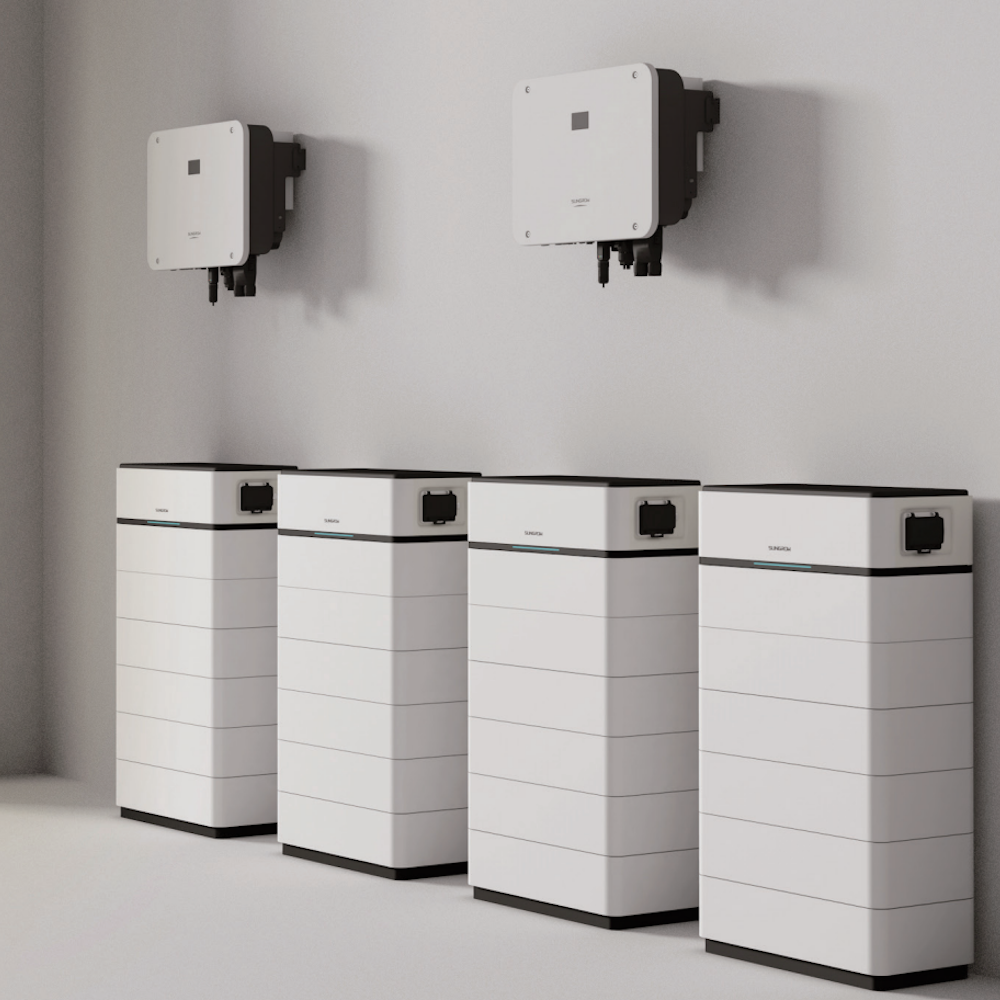
The Sungrow SBH is a high-voltage lithium iron phosphate battery system built around 5kWh modules. Its stackable design provides several capacity options and supports future expansion within approved configurations.
Applicable SBH models come with 10-year limited product and performance warranties, subject to Sungrow’s operating requirements and warranty conditions. SolarBright can help select a suitable configuration and compatible inverter for your home.
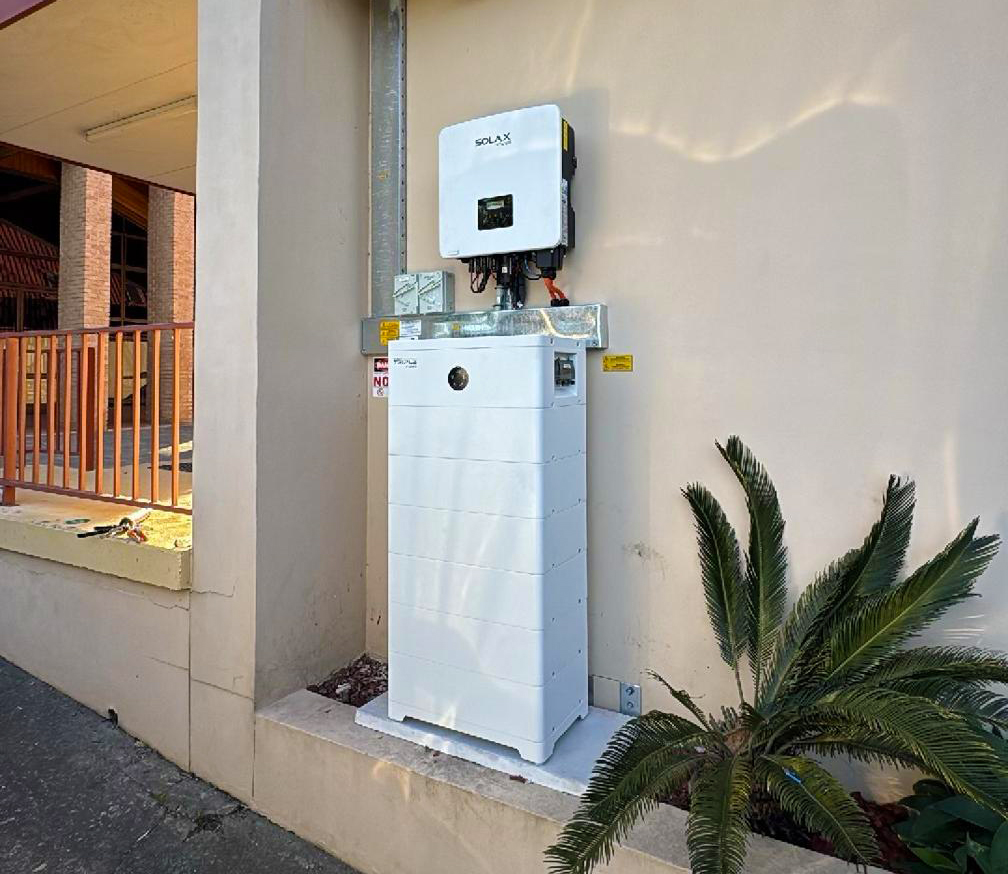
SolaX Triple Power offers flexible modular storage, including the 5.1kWh module system available through SolarBright. Approved combinations provide capacity options such as 10.2kWh, 15.3kWh and 20.4kWh.
These models carry a 10-year standard battery warranty, subject to the applicable terms and conditions. SolarBright can explain the differences between configurations and help you assess usable capacity, inverter compatibility and future expansion options.
A good battery needs the right installation. Accurate sizing, suitable placement, correct commissioning and clear backup planning all contribute to how well the system serves your home.
An installer’s reputation and history matter because a battery is a long-term investment. Look for an established solar battery installer with experience installing your chosen brand and a clear process for handling service requests.
Support after installation is equally valuable. You may need assistance understanding monitoring, investigating a fault, arranging a warranty claim or assessing whether additional modules can be installed.
SolarBright is a multi-award-winning solar and battery installer serving Sydney and NSW.
Our recognition includes Sungrow Top Installer 2025 and SolaX Power Premium Installer Australia 2025.
SolarBright takes the hard work out of comparing modular solar batteries. We assess your electricity use, solar system, budget and future plans to help you choose a suitable capacity.
Our team explains your options, checks applicable rebates and organises installation, giving you a clear path from your first enquiry to using stored solar energy at home.
Contact SolarBright for a free, no-obligation quote and help finding the right modular solar battery for your home.

Our partnerships with leading brands brands like Tesla, Sungrow, and SolaX Power allow us to offer high-quality solar batteries at competitive prices.
Check Out Our Battery Deals
Our partnerships with leading brands brands like Tesla, Sungrow, and SolaX Power allow us to offer high-quality solar batteries at competitive prices.
Check Out Our Battery Deals
Take a Look
Roof Ventilation Guides, Solar Roof Ventilation Guides
Quick answer: Solar roof ventilation is one of the most effective upgrades for an…
Skylights Guides, Tubular Skylight Guides, Solar Skylight Guides
Some rooms stay dark even on a sunny day. Your bathroom might have no…
Roof Ventilation Guides, Solar Roof Ventilation Guides
Yes, solar roof vents really work. They use solar energy to power a fan…