
SolarBright Guides, Solar Battery Guides, SolaX Triple Power Battery Guides
7 reasons to choose a SolaX Triple Power battery
Price, warranty, safety and storage capacity are some of the biggest considerations when buying…
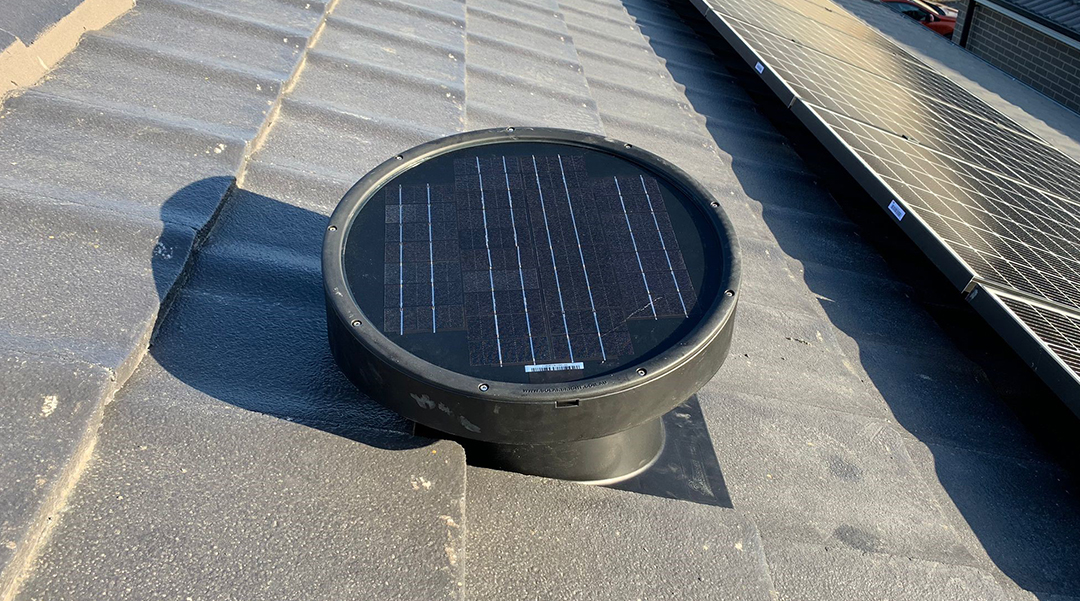
If your home feels hotter than it should in summer, the roof cavity is often a big part of the problem. Heat builds up above the ceiling and can push indoor temperatures higher. A roof ventilation system helps by moving that trapped hot air out, which can improve comfort and reduce the load on cooling.
Two options are common in Australia. Whirlybirds are the classic low-cost choice. Solar roof ventilation is the modern upgrade, running on sunlight and offering more control. This guide compares both so you can choose the right fit for your roof, your climate, and your budget.
Choose whirlybirds if you want a simple, low-cost solution and your area gets regular breezes.
Choose solar roof ventilation if you want more consistent performance on hot, sunny days especially when the air is still and you want better control.
| Feature | Whirlybirds | Solar roof ventilation (MaxBreeze style) |
| How it works | Passive. Uses wind + natural convection | Active fan powered by solar energy |
| Performance on extremely hot ways with little wind | Can be limited | Stronger performance on sunny days, even with little wind |
| Control | No thermostat. Spins whenever wind hits | Thermostat-based operation (runs when roof space is hot) |
| Moisture / condensation support | Can help, but varies by conditions | More consistent extraction, better suited to heat + moisture goals |
| Noise | Usually low, may rattle over time | Generally quiet, steady operation (model dependent) |
| Upfront cost | Lower | Higher |
| Best fit | Budget-friendly ventilation where wind is common | Homes wanting consistent results and better control |
Roof ventilation’s job is to:
It is not a replacement for:
The best results usually come from a combination of good insulation, smart ventilation, and sensible shading.
Price comparison – including installation
Pricing varies based on roof type, pitch, height, access, and how many vents are needed. As a general guide:
What changes the price most
Tip: When comparing quotes, make sure you’re comparing the same scope. Some prices include flashing upgrades and call-outs while others don’t.
The real difference is performance on the days that hurt most.
The hottest roof spaces usually occur on bright, still summer afternoons. That’s also when passive ventilation can be least effective.
Whirlybirds can be a good option if your home is in a breezy area. They spin using wind and help create airflow through the roof cavity.
Pros
Cons
Solar roof ventilation uses sunlight to power a fan that actively pulls hot air out of the roof cavity. It is designed to run during the periods when roof heat is often at its peak.
Pros
Cons
Control is one of the biggest “feel it in real life” differences.
If you want ventilation that behaves more like an appliance you can rely on, solar fan ventilation is usually the better match.
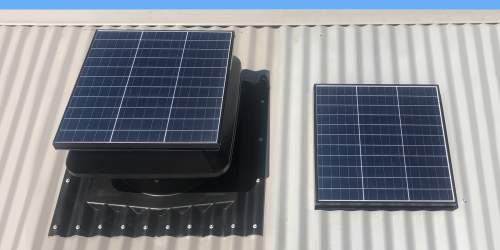
If you’re considering MaxBreeze (or similar solar fan systems), choose based on the job.
1) Standard residential heat reduction
Best if:
Usually suits:
2) Larger roofs and tougher heat problems
Best if:
Usually suits:
3) Heat plus moisture management
Best if:
Tip: Sizing matters more than brand. One underpowered vent often disappoints. A properly sized setup is where people notice the real change.
Choose whirlybirds if:
Choose solar roof ventilation if:
Before choosing, ask:
Do whirlybirds actually make a home cooler?
They can reduce roof cavity heat, which may improve comfort. Results depend on wind, placement, roof design, and insulation.
Will solar roof ventilation reduce air-con use?
It can help reduce roof cavity heat during sunny hours, lowering the cooling load on hot days. The biggest difference is often improved comfort, especially in upstairs rooms or rooms with large ceiling exposure.
Is solar roof ventilation worth the extra cost?
It often is if you experience hot, still days or want more consistent results and better control than a passive vent can provide.
Whirlybirds are a solid budget option when conditions suit. Solar roof ventilation is the better pick when you want consistent performance and control especially during summer heat.
Call SolarBright to discuss the best roof ventilation option for your home, or request a callback and we’ll contact you at a time that suits.

Take a Look
SolarBright Guides, Solar Battery Guides, SolaX Triple Power Battery Guides
Price, warranty, safety and storage capacity are some of the biggest considerations when buying…
Roof Ventilation Guides, Solar Roof Ventilation Guides
Does your home become uncomfortable as the afternoon heats up? Perhaps the air conditioner…
Solar Battery Guides, Solar and Battery Packages Guides, NSW Solar Rebates and Incentives
If you’re in the market for a solar battery, solar system, or solar and…