



Tip & Advice
DIY Solar Roof Ventilation Systems
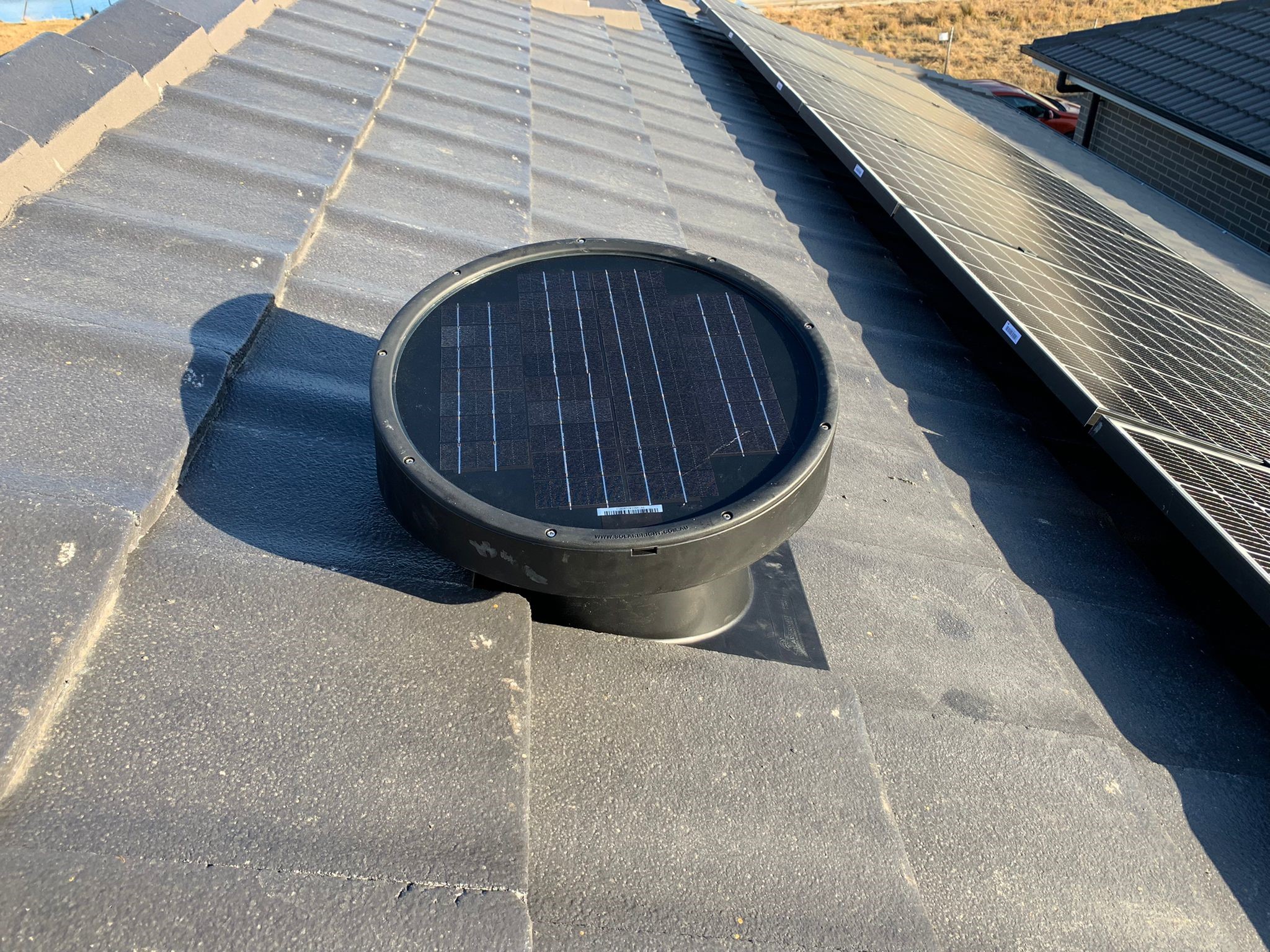
DIY solar roof ventilation refers to solar-powered roof ventilation designed for homeowners who are…
If your solar warranties are ending, it’s not something to ignore. If your electricity bills are rising, guessing your next step can be costly. A well-planned solar panel installation can lock in better savings and prepare your home for a battery – something that matters more than ever.
The best place to start is with a free consultation. It’s the fastest way to get clarity. You’ll understand what can stay, what needs replacing, and which rebates may apply.
If you’d like a quick estimate first, use our STC calculator.
This calculator is useful whether you’re upgrading solar panels or planning a full system refresh.
This depends on three key factors: your goals, your roof, and the condition of your existing system.
Adding panels can be a smart option when your current system is still performing well. Many households use more electricity than they did when their system was first installed, particularly during the day.
Adding panels may suit you if:
Adding panels can also be helpful if you plan to install a battery later, as more solar generation creates more surplus energy to store.
Replacing panels is often the better option when a system is nearing the end of its useful life or no longer suits how your home uses power.
Replacement may suit you if:
A full replacement can also simplify system design and avoid performance issues caused by mixing old and new panels with different characteristics.
Many solar upgrades are limited by the inverter. Older inverters often can’t support expansion and may restrict battery options.
A proper upgrade plan checks:
This is why a free consultation is important—it helps avoid investing in equipment that doesn’t suit your setup.
Your existing panels don’t automatically become waste. In most cases, you have options.
Panels can be:
The right choice depends on safety, compatibility, and local network rules, which can vary across New South Wales.
Yes but it depends on your requirements, roof space, and inverter capacity.
When expanding an existing system works well
Adding panels is usually a good idea when:
When expanding an existing system can cause problems
It may not be the best idea when:
A site check quickly clarifies which path makes sense.
If panels need to be removed, disposal shouldn’t be your problem.
We remove panels safely and take them with us. You don’t need to organise transport or find a recycler. This makes the upgrade process simpler and reduces delays on installation day.
A better system isn’t just a bigger system. The best upgrade is one that matches how your household actually uses electricity.
Step 1: Understand how your household uses electricity
Review your electricity bill to find your average daily usage. Also note when you use power. Some homes use most of their energy during the day, while others use more in the evening. This difference directly affects the best upgrade path.
Step 2: Define your upgrade goal
Choose your primary outcome:
Each goal changes the system design. For example, bill reduction often involves more solar with a battery plan, while backup support requires a battery capable of outage protection.
Step 3: Check roof Space, orientation, and shade
Roof space and orientation matter, and shade matters even more.
A good design considers:
Step 4: Estimate rebates and incentives
For solar panel upgrades, use our STC calculator.
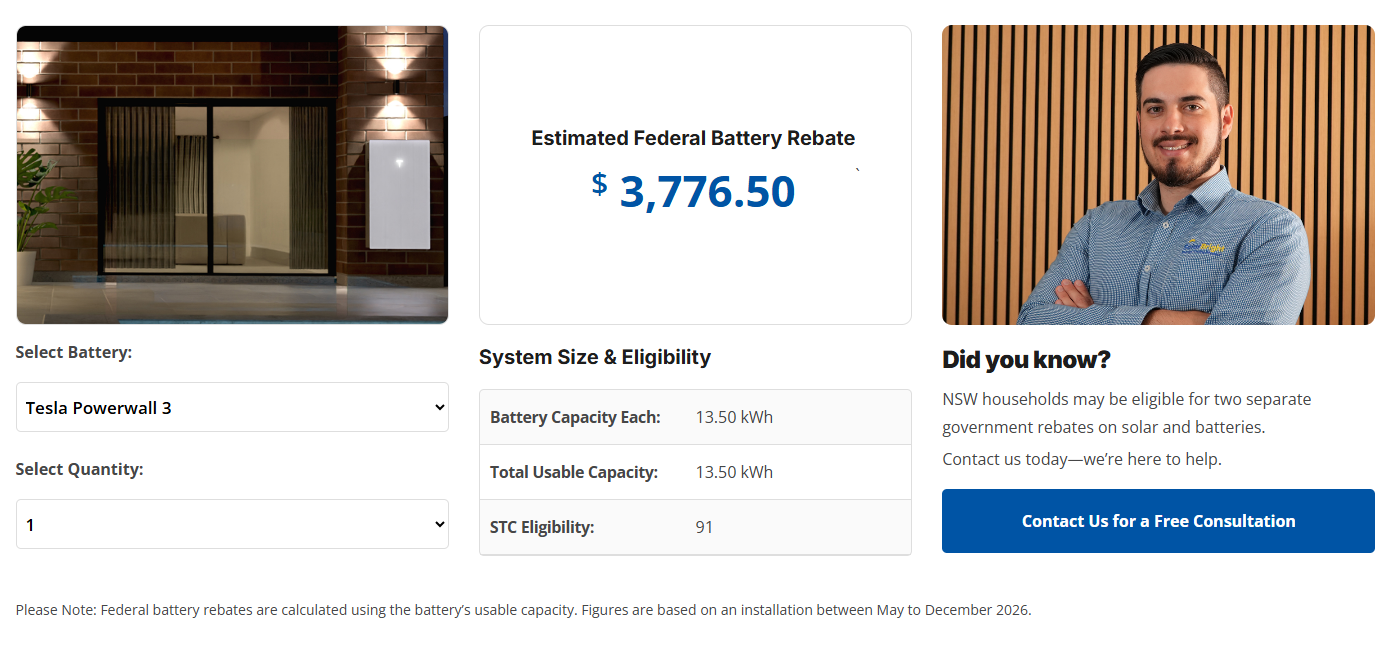
If you’re also considering a battery, use our federal battery rebate calculator.
These tools help you compare options before committing.
Step 5: Get Expert Advice Before You Commit
This is where many costly mistakes are avoided.
We review your bills, discuss your goals, check your roof and recommend an upgrade path that fits your home. If you want the fastest next step, book a free consultation for clear advice and transparent numbers.
If your goal is greater savings, a solar battery is often the most effective upgrade. It allows you to use more of your own solar energy and reduces reliance on the grid at night.
Why batteries can increase savings
Without a battery, excess solar is usually exported at lower feed-in rates. A battery stores daytime solar so you can use it in the evening, reducing grid imports during higher-cost periods.
Batteries are especially useful if:
Solar Battery Rebates and Incentives
Battery rebates can significantly reduce upfront cost and improve payback.
Estimate your battery rebate here.
Estimate solar STCs here.
How to Size a Solar Battery Correctly
Battery size should match your usage. Bigger isn’t always better.
Sizing usually considers:
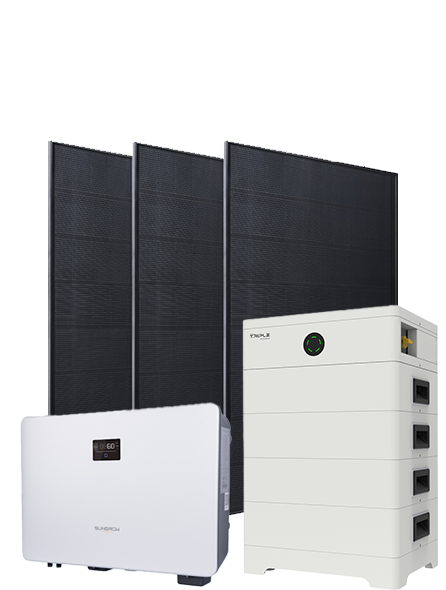
Some battery systems are modular, allowing capacity to be expanded later. Our package examples highlight modular options where available.
A solar battery installation involves more than just the battery unit.
A proper install includes checks on:
If your roof is close to full, a battery can add value without installing more panels.
Even with spare roof space, additional panels may increase exports rather than self-use. A battery converts those exports into evening energy, which is why batteries are now a key part of many solar system upgrades.
A solar upgrade should feel straightforward.
We focus on:
We also make battery upgrades simple, helping you choose the right system and understand rebate timing and eligibility under current Australian programs referenced on our site.
Book Your Free Solar Upgrade Consultation
If your solar warranties are ending, now is a smart time to upgrade.
Book your free consultation today. We’ll review your current system, recommend the best upgrade path, and help you estimate rebates using the tools on our website.

Take a Look
Tip & Advice
DIY solar roof ventilation refers to solar-powered roof ventilation designed for homeowners who are…
News
SolarBright has been recognised with Tesla Powerwall Premium Certified Installer status, reflecting our installation…
Solar Power Tips
Traditional skylights can be a great way to bring natural daylight into your home.…