

News
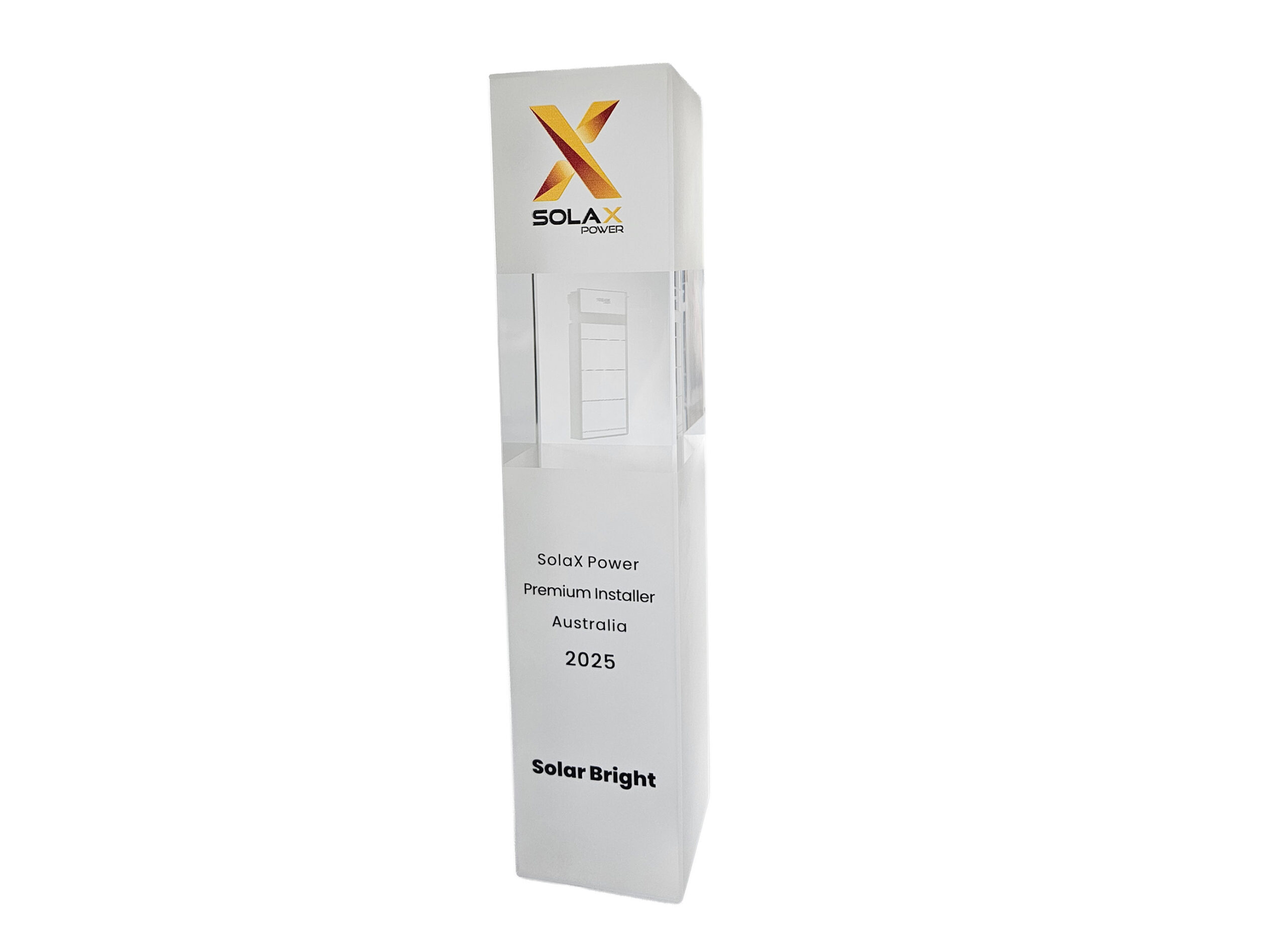
SolaX Power Premium Installer Australia 2025
SolarBright has been recognised as a SolaX Power Premium Installer (Australia, 2025). This milestone…
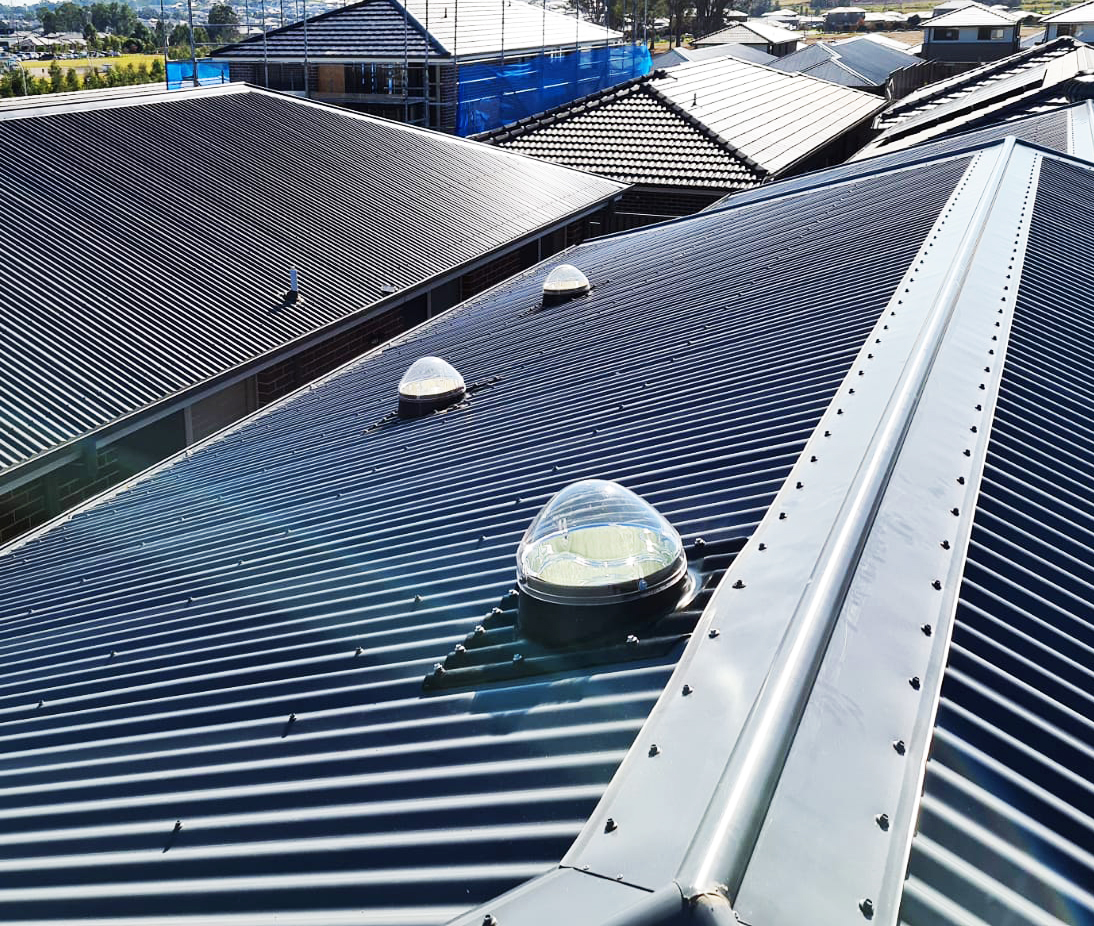
“DIY skylights” typically refers to skylight systems that can be installed without major building work, assuming you have straightforward roof access and are confident using basic tools. In most cases, DIY skylights fall into three categories:
If your goal is a skylight that is simple to install, easier to get right, and still delivers excellent natural light, tubular skylights are usually the best place to start, especially when the kit is properly modular and designed for installer friendly assembly.
DIY skylights are one of the fastest ways to brighten a dark home and make spaces feel larger, cleaner, and more comfortable. The difference between a smooth installation and a frustrating experience often comes down to the skylight system you choose.
Some skylight kits feel like a loose collection of parts with unclear instructions. This can lead to issues such as messy ceiling cut outs, poor alignment, and the most serious risk of all, water leaks after heavy rain.
MaxLight Tubular Skylights are designed to avoid these problems. MaxLight is a modular roof to ceiling system with a clear installation sequence, making it one of the easiest skylight solutions for confident DIYers. It is also a fast, low disruption option if you prefer professional installation.
It can be, if you choose the right type of skylight and your roof conditions are suitable.
Traditional fixed skylights often involve:
Tubular skylights are typically easier because:
If your goal is simple installation with strong daylight impact, tubular skylights are usually the most forgiving DIY option, especially when the product is designed around installation simplicity.
You do not need to be a builder, but DIY skylights are not a no tools project. You should be comfortable measuring accurately, making clean cut outs, and finishing neatly.
Helpful experience includes:
Typical tools required, depending on roof type and model:
One important reality check. The biggest DIY risk is not cutting the ceiling. It is ensuring proper roof sealing and waterproofing. If you are not confident working on the roof, or if access is steep or difficult, it is often smarter to choose MaxLight and have the roof installation completed professionally.
If you want your DIY skylight project to go smoothly and achieve a professional result, prioritise the following:
A complete, purpose built skylight system
Choose a skylight that is designed as a complete roof to ceiling solution, not a collection of separate parts. A fully integrated kit ensures compatibility between components and removes uncertainty during installation.
Clear installation instructions and logical assembly
The system should include clear, step by step instructions and components that fit together in an obvious sequence. This reduces guesswork and helps prevent installation mistakes that could affect performance or sealing.
Roof sealing designed for reliability
The roof section should be engineered to integrate properly with your roofing material and manage water effectively. Proper sealing design is critical to prevent leaks and ensure long term durability.
Installation that works within standard roof structures
The best DIY skylights are designed to fit within standard roof framing without requiring structural modification. This makes installation safer, faster, and more achievable for confident homeowners.
Strong light performance with a clean ceiling finish
A well designed skylight should deliver consistent, natural light and finish neatly at ceiling level. The diffuser and reflective tube should work together to provide excellent light output while maintaining a clean, professional appearance.
MaxLight is engineered specifically for installation simplicity. Every component is purpose built to integrate in a clear, logical sequence. This helps eliminate guesswork and reduce installation difficulty.
Components designed for fast, reliable installation
MaxLight is built as a complete roof to ceiling system. This includes the roof section, reflective tube, and ceiling diffuser. This modular design provides:
Smaller opening, less disruption
Compared with many traditional skylights, MaxLight typically requires a smaller roof penetration. This reduces invasive work and makes installation easier to manage, particularly in standard residential roofs.
Clean ceiling finish with excellent light distribution
MaxLight reflective tube efficiently channels daylight to the diffuser. This delivers even light distribution and a clean, modern ceiling appearance.
Built for Australian conditions
MaxLight skylights are designed and manufactured in Australia by SolarBright. They are engineered to handle local conditions including strong sun, heat, storms, and typical Australian roofing environments.
Before installation, always review the official instructions so you understand the full process.
Here is a link to MaxLight Skylights Installation Instructions.
MaxLight packaging is organised so components are easy to identify. Key parts are clearly marked, helping reduce confusion during installation and ensuring a smoother process, especially when working in the roof cavity or on the roof.
Not sure which MaxLight size suits your room, or whether your roof layout is suitable for DIY installation?
Contact SolarBright or book a free consultation. Our team can help you select the right skylight, confirm optimal placement, and recommend the cleanest installation approach for your home.
Take a Look
News
SolarBright has been recognised as a SolaX Power Premium Installer (Australia, 2025). This milestone…
Solar Battery Guides
Getting your battery size right makes a bigger difference than most people expect. The…
Roof Ventilation Guides
If your home feels hotter than it should in summer, the roof cavity is…