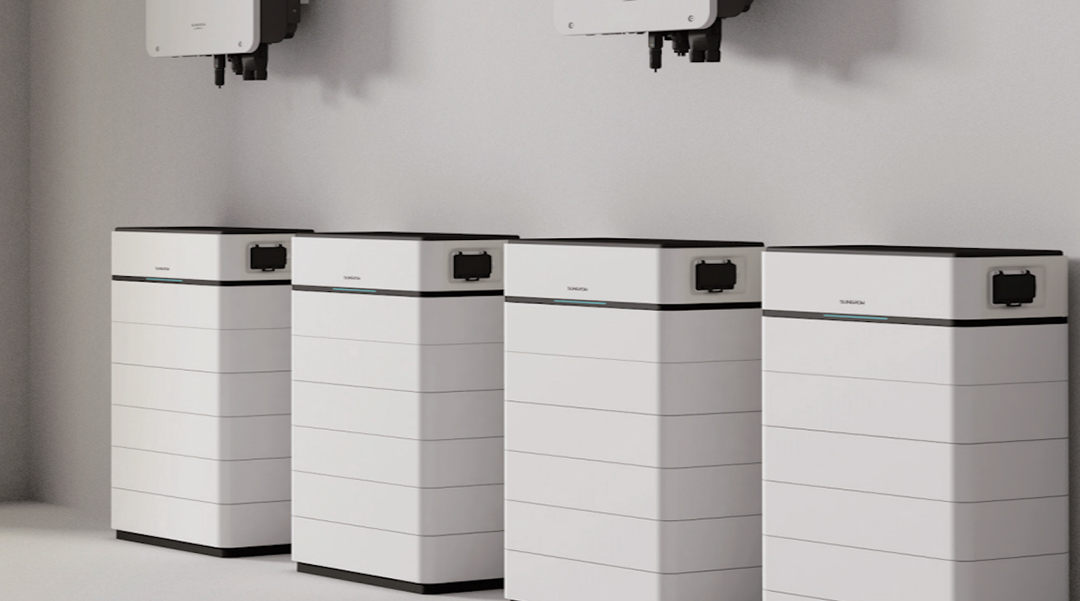
SolarBright has been awarded the 2025 Sungrow Top Installer Award, recognising our strong installation performance and ongoing partnership with Sungrow across their Sungrow batteries and inverters range.
This award reflects SolarBright’s experience installing Sungrow systems across Australia and our commitment to delivering reliable, high-quality solar and battery solutions for homeowners.
2025 has also been a standout year for SolarBright, with additional recognition including the EUPD Research Installer Award (2025) and being named a SolaX Power Premium Installer Australia (2025). These recognitions reflect both technical capability and consistent customer satisfaction across our installations.
What the Sungrow Top Installer Award means
The Sungrow Top Installer Award is issued directly by Sungrow to selected installation partners based on internal performance data.
It reflects several key areas, including:
Proven experience installing Sungrow inverters and batteries
Consistent installation quality and compliance with industry standards
Strong technical capability with hybrid and battery systems
Ongoing partnership and engagement with Sungrow
Being recognised by Sungrow demonstrates SolarBright’s expertise working with one of the world’s leading solar inverter and battery manufacturers.
Why this matters for customers
Choosing a solar battery installer recognised by the manufacturer provides additional confidence that your system will be installed correctly and supported long-term.
As a Sungrow Top Installer, SolarBright has demonstrated:
Extensive experience installing Sungrow battery and inverter systems
Strong technical knowledge of Sungrow products
Consistent installation quality
A trusted partnership with the manufacturer
This helps ensure your system performs as expected and is supported throughout its lifetime.
When is the right time to upgrade your solar system?
If your solar warranties are ending, it’s not something to ignore. If your electricity bills are rising, guessing your next step can be costly. A well-planned solar panel installation can lock in better savings and prepare your home for a battery – something that matters more than ever.
The best place to start is with a free consultation. It’s the fastest way to get clarity. You’ll understand what can stay, what needs replacing, and which rebates may apply.
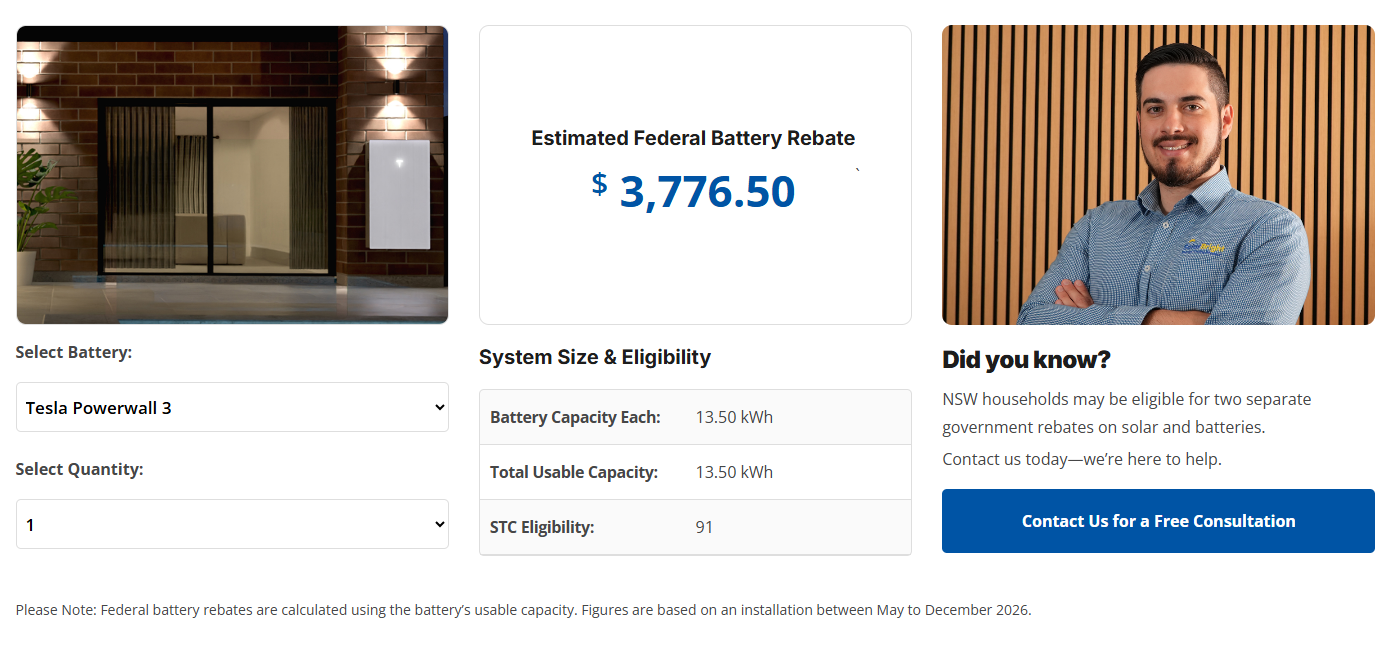
If you’d like a quick estimate first, use our STC calculator.
This calculator is useful whether you’re upgrading solar panels or planning a full system refresh.
Should I replace my solar panels or add more?
This depends on three key factors: your goals, your roof, and the condition of your existing system.
When adding solar panels makes sense
Adding panels can be a smart option when your current system is still performing well. Many households use more electricity than they did when their system was first installed, particularly during the day.
Adding panels may suit you if:
Your existing panels are still producing well
You have spare roof space
Your inverter can support additional capacity
Adding panels can also be helpful if you plan to install a battery later, as more solar generation creates more surplus energy to store.
When replacing panels makes more sense
Replacing panels is often the better option when a system is nearing the end of its useful life or no longer suits how your home uses power.
Replacement may suit you if:
Your panels are old and output has noticeably dropped
You’re experiencing ongoing faults
You want a clean, new warranty setup
You want higher-wattage panels in the same roof area
A full replacement can also simplify system design and avoid performance issues caused by mixing old and new panels with different characteristics.
Why your inverter matters more than you think
Many solar upgrades are limited by the inverter. Older inverters often can’t support expansion and may restrict battery options.
A proper upgrade plan checks:
Inverter age and capacity
Monitoring and visibility
Battery compatibility
This is why a free consultation is important—it helps avoid investing in equipment that doesn’t suit your setup.
What happens to my existing solar panels?
Your existing panels don’t automatically become waste. In most cases, you have options.
Panels can be:
Kept if they’re still in good condition
Kept and expanded with a well-planned design
Removed and replaced if performance or compliance requires it
The right choice depends on safety, compatibility, and local network rules, which can vary across New South Wales.
Can I expand my existing solar system?
Yes but it depends on your requirements, roof space, and inverter capacity.
When expanding an existing system works well
Adding panels is usually a good idea when:
Existing panels still perform well
The upgrade is designed as one complete system
The inverter setup supports the final system size
Monitoring remains simple and clear
When expanding an existing system can cause problems
It may not be the best idea when:
Existing panels are heavily degraded
Old and new panels are mismatched in a way that limits output
Wiring becomes overly complex
Major compliance work is required regardless
A site check quickly clarifies which path makes sense.
Solar panel disposal
If panels need to be removed, disposal shouldn’t be your problem.
We remove panels safely and take them with us. You don’t need to organise transport or find a recycler. This makes the upgrade process simpler and reduces delays on installation day.
How to choose the right solar system upgrade
A better system isn’t just a bigger system. The best upgrade is one that matches how your household actually uses electricity.
Step 1: Understand how your household uses electricity
Review your electricity bill to find your average daily usage. Also note when you use power. Some homes use most of their energy during the day, while others use more in the evening. This difference directly affects the best upgrade path.
Step 2: Define your upgrade goal
Choose your primary outcome:
Lower electricity bills
Higher self-consumption
Battery readiness
Backup support for key circuits
Each goal changes the system design. For example, bill reduction often involves more solar with a battery plan, while backup support requires a battery capable of outage protection.
Step 3: Check roof Space, orientation, and shade
Roof space and orientation matter, and shade matters even more.
These tools help you compare options before committing.
Step 5: Get Expert Advice Before You Commit
This is where many costly mistakes are avoided.
We review your bills, discuss your goals, check your roof and recommend an upgrade path that fits your home. If you want the fastest next step, book a free consultation for clear advice and transparent numbers.
Do I need to add solar batteries?
If your goal is greater savings, a solar battery is often the most effective upgrade. It allows you to use more of your own solar energy and reduces reliance on the grid at night.
Why batteries can increase savings
Without a battery, excess solar is usually exported at lower feed-in rates. A battery stores daytime solar so you can use it in the evening, reducing grid imports during higher-cost periods.
Batteries are especially useful if:
Your household uses more power after sunset
You run air conditioning in the evening
You cook with electric appliances at night
You charge an EV at home
You want to reduce peak grid imports
Solar Battery Rebates and Incentives
Battery rebates can significantly reduce upfront cost and improve payback.
Battery vs more solar panels: Which upgrade adds more value?
If your roof is close to full, a battery can add value without installing more panels.
Even with spare roof space, additional panels may increase exports rather than self-use. A battery converts those exports into evening energy, which is why batteries are now a key part of many solar system upgrades.
Why homeowners choose SolarBright
A solar upgrade should feel straightforward.
We focus on:
Advice based on your real electricity bills
System designs that suit your roof and usage
Clear guidance on rebates and incentives
High-quality solar and battery installations
Support through commissioning and setup
We also make battery upgrades simple, helping you choose the right system and understand rebate timing and eligibility under current Australian programs referenced on our site.
Book Your Free Solar Upgrade Consultation
If your solar warranties are ending, now is a smart time to upgrade.
Book your free consultation today. We’ll review your current system, recommend the best upgrade path, and help you estimate rebates using the tools on our website.
If you are shopping for Tesla Powerwall 3 or Powerwall 3 Expansion Pack deals in Sydney and NSW, the best deal is not always the cheapest headline price. The best deal is the one that stacks real rebates, matches your usage, and is installed properly so the system performs from day one.
At SolarBright, we keep it simple. We offer a small set of Tesla options that cover most homes, from battery only upgrades to complete solar and battery packages. Below are our current Tesla Powerwall 3 and Powerwall 3 Expansion Pack deals, followed by our current solar and battery packages, along with the calculators that help you estimate your rebate and savings before you commit.
Tesla Batteries, what you are really buying
A Tesla home battery helps you store energy so you can use more of your own power and buy less from the grid, especially in the evenings.
The value usually comes from:
Storing excess solar instead of exporting it for low feed-in tariffs
Using stored energy at night when grid rates are often higher
Better energy independence and long term bill control
Our current Tesla and Powerwall deals (battery only)
If you already have solar or you want to start with a battery first, these battery only deals are designed to give you strong storage, high output, and a clean path to future expansion.
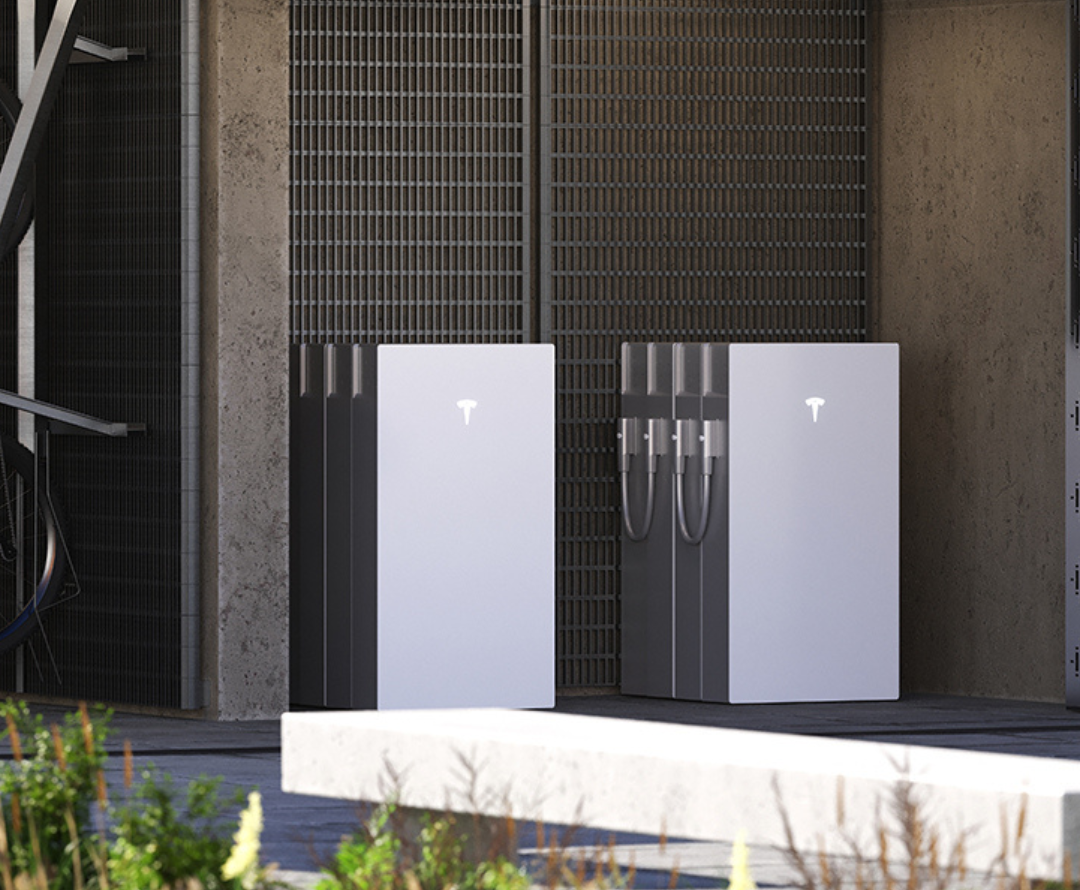
Tesla Powerwall 3
Tesla Powerwall 3 is a premium home battery option for households that want strong storage, high output, and long term bill control. It suits homes that want to use more solar at night, reduce reliance on the grid, and keep more of their own energy instead of exporting it.
Key features and advantages
Strong usable storage for everyday night-time usage
High output for real household demand
Better solar self-consumption to reduce grid imports
A scalable strategy when paired with expansion later
Tesla Powerwall 3 Expansion Pack is designed for households that want to scale storage capacity without redesigning the whole setup. It is ideal for bigger homes, high evening usage, or anyone planning future load growth like EV charging.
Where it adds value
Adds more stored energy for longer nights and weekends
Helps capture more solar and reduce export
Supports future household load growth
A simple way to build a higher-capacity system over time
Avoid confusion when assumptions differ between quotes
STC Calculator (solar savings)
Use this to estimate solar incentives that reduce your upfront cost.
What it helps you do
Estimate STC savings based on size
Compare packages with the same assumptions
Understand why solar plus battery bundles can save more overall
Do not skip the installer profile, even if the deal looks amazing
A Tesla deal is only a deal if the installation is done properly. Battery installs involve switchboard safety, compliance, commissioning, and monitoring setup. A low quality install can lead to delays, performance issues, and warranty headaches.
Before choosing an installer in Sydney or NSW, check:
Licensing and compliance
Clear scope of works in writing
What is included in switchboard and electrical work
Commissioning and app setup included
Warranty support process and real reviews
Thinking of Tesla Battery Installation in Sydney or NSW?
A Tesla battery is only as good as the install. SolarBright sizes it right, installs it cleanly, and commissions it properly. We keep rebates simple too, with clear numbers and no confusion.