
Signs It May Be Time to Replace Your Solar Panels

Solar panels are designed to provide reliable electricity for many years. However, like any technology, their performance can decline with age, while your household energy requirements may change significantly over time.

A solar system that was perfectly adequate 10 or 15 years ago may no longer generate enough electricity for your home today.

At the same time, solar panel technology has improved. Modern panels can generate considerably more power from the same amount of available roof space.

So, how do you know when it might be time for an upgrade?

Your Solar Panel Warranty Is Coming to an End

The end of your manufacturer’s warranty does not automatically mean your solar panels need replacing.

However, it can be a good time to assess the overall condition and performance of an ageing solar system.

If your panels are approaching the end of their warranty period and you are also experiencing declining output, faults or other issues, upgrading may make more sense than continuing to invest in an older system.

Modern solar panels can also come with significantly longer warranties.

For example, Max Power solar panels are backed by a 30-year product warranty and 30-year performance warranty, giving homeowners greater long-term confidence in their solar investment.

Your Solar Panels Are Producing Less Power

Solar panels naturally experience some performance degradation over their lifetime.

If your system is producing noticeably less electricity than it did when first installed, ageing panels may be one of the reasons.

This becomes particularly important when your household relies heavily on solar power to reduce grid electricity consumption.

New-generation panels are designed to deliver higher efficiency and strong long-term performance.

The Max Power 475W solar panel, for example, uses N-Type solar cell technology and offers module efficiency of up to 23.8%.

It also maintains more than 87% of its rated output after 30 years under its performance warranty.

For an older solar system, upgrading can provide a significant improvement in how much electricity you can generate from your roof.

Your Electricity Usage Has Increased and You Need a Bigger System

Sometimes there is nothing particularly wrong with your existing solar panels.

Your home may simply be using much more electricity than when the system was originally installed.

Your electricity consumption may increase because of:

  • Additional air conditioning
  • Working from home
  • A growing family
  • Electric hot water
  • Pool equipment
  • Induction cooking
  • Electric vehicle charging
  • Additional household appliances

Many older residential solar systems were also considerably smaller than the systems commonly installed today.

If your current system is no longer covering enough of your electricity consumption, replacing older lower-wattage panels with higher-capacity panels can help you increase your overall system size.

For example:

  1. 20 × 270W panels = 5.4kW
  2. 20 × 475W Max Power panels = 9.5kW

While actual system design depends on your roof, inverter and electrical requirements, it demonstrates how much more solar capacity can potentially be achieved using modern panels.

You Want to Add a Solar Battery

Installing a solar battery is another reason to reassess your existing solar panels.

A battery stores excess electricity generated by your solar system during the day so you can use that energy later.

However, you need enough solar generation to power your home during the day while also producing surplus electricity to charge the battery.

An older 3kW, 5kW or similarly sized system may not generate enough excess solar energy to make full use of a larger battery.

Upgrading your panels at the same time can allow your solar and battery system to be designed around your current and future electricity requirements.

This might include:

  • Your household electricity consumption
  • Battery capacity
  • Available roof space
  • Evening electricity usage
  • Future EV charging
  • Changes to household energy use

Rather than treating the battery and solar panels as separate systems, they can be designed to work together.

Your Solar System Is Experiencing Frequent Faults

An occasional problem does not necessarily mean your solar panels need replacing.

However, frequent faults in an ageing solar system can make upgrading worth considering.

Older systems may experience issues such as:

  • Reduced solar production
  • Panel faults
  • Damaged connectors
  • Deteriorating components
  • Electrical faults
  • Difficulty sourcing compatible replacement parts

At some point, repeatedly repairing an ageing system may become less practical than upgrading to modern solar technology with new warranties.

A professional inspection can help determine whether repairing, expanding or replacing the system is the better option.

Your Solar Panels Have Hail or Storm Damage

Solar panels installed in Australia can be exposed to severe weather throughout their lifetime.

Hail, storms, falling branches and flying debris can potentially damage solar panels and other system components.

Some damage may be clearly visible, such as cracked panel glass.

Other damage may be harder to identify without a professional inspection.

If your property has recently experienced a major storm and you notice a sudden reduction in solar production, having the system inspected is recommended.

If significant damage has occurred, replacement may provide an opportunity to upgrade to newer and more durable panel technology.

Max Power Maximus panels feature a dual-glass design, providing a durable construction designed for long-term solar generation.

Should I Consider Replacing My Solar Panels?

Replacing solar panels is not always necessary simply because your system is old.

If your existing system is operating reliably, producing enough electricity and meeting your household requirements, continuing to use it may still make sense.

Replacement becomes more worth considering when several factors occur together.

For example, your panels may be ageing and producing less power while your household electricity consumption has increased. You may also be planning to install a battery or purchase an electric vehicle.

In these situations, upgrading can provide an opportunity to redesign your solar system around your current electricity requirements rather than those you had when the original system was installed.

Before replacing your panels, it is worth having the existing system assessed to determine its condition, current output and potential upgrade options.

Why Now Can Be a Good Time to Upgrade Your Solar Panels

Solar technology has changed significantly over the past decade.

If you have an older solar system, replacing it today can provide several advantages beyond simply getting new panels.

Solar Panel Capacity Has Increased

Solar panels can now generate considerably more electricity per panel.

Older residential systems commonly feature panels rated at around 250W, 300W or 330W.

The Max Power Maximus panel delivers 475W per panel.

That increase in panel capacity means considerably more solar generation can potentially be installed without requiring a proportionate increase in roof space.

Solar Panel Efficiency Has Improved

Panel wattage is not the only area that has improved.

Solar cell and module efficiency have also progressed.

Max Power Maximus panels use modern N-Type cell technology and provide module efficiency of up to 23.8%.

Higher module efficiency means more of the sunlight reaching the panel can be converted into usable electricity.

For homeowners replacing older panels, this can make a substantial difference to the amount of solar generation available from the same roof.

Get More From Your Available Roof Space

Roof space is limited.

Chimneys, skylights, roof vents, shading and roof orientation can all reduce the amount of space available for solar panels.

This makes panel efficiency and wattage increasingly important.

Replacing lower-wattage panels with modern high-output panels can allow you to make better use of the strongest areas of your roof.

For homes with limited usable roof space, upgrading can therefore be particularly beneficial.

Solar and Battery Incentives Can Help Reduce the Cost

Government solar and battery incentives may also help reduce the upfront cost of eligible installations.

Depending on the system, location and current government programs, incentives may be available when installing or upgrading solar panels or adding an eligible home battery. Don’t forget to check solar battery rebates or solar panel rebates.

This can make replacing an ageing solar system and installing battery storage more financially attractive.

Thinking About Replacing Your Solar Panels?

Not sure whether you should keep your existing solar panels, expand your system or replace it completely?

Get in touch with SolarBright.

Our experienced solar team can assess your existing system, available roof space, electricity usage and future battery requirements to help determine the right solution for your home.

What is a Lumen?

When choosing a solar skylight, you may come across specifications such as 1,500 lumens or 2,000 lumens.

But what are lumens, and how much light do you actually need?

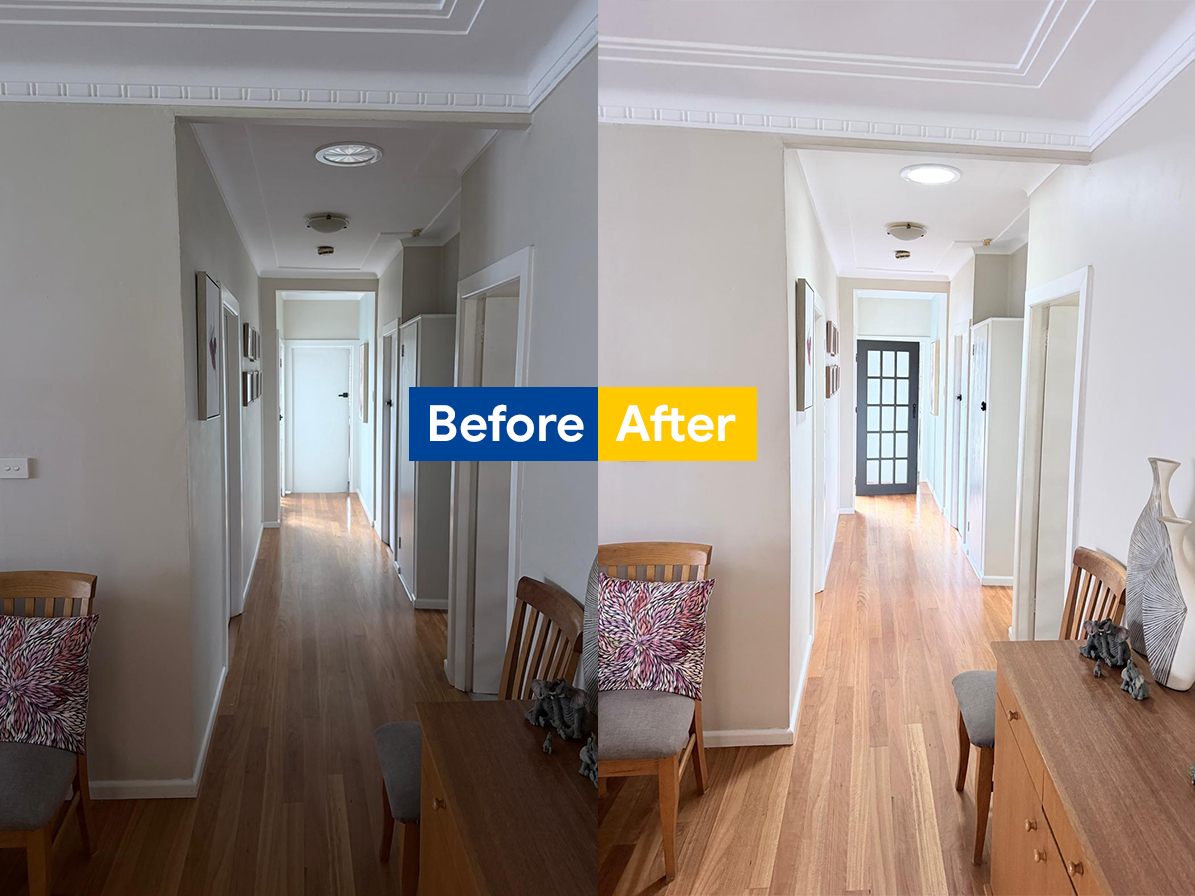
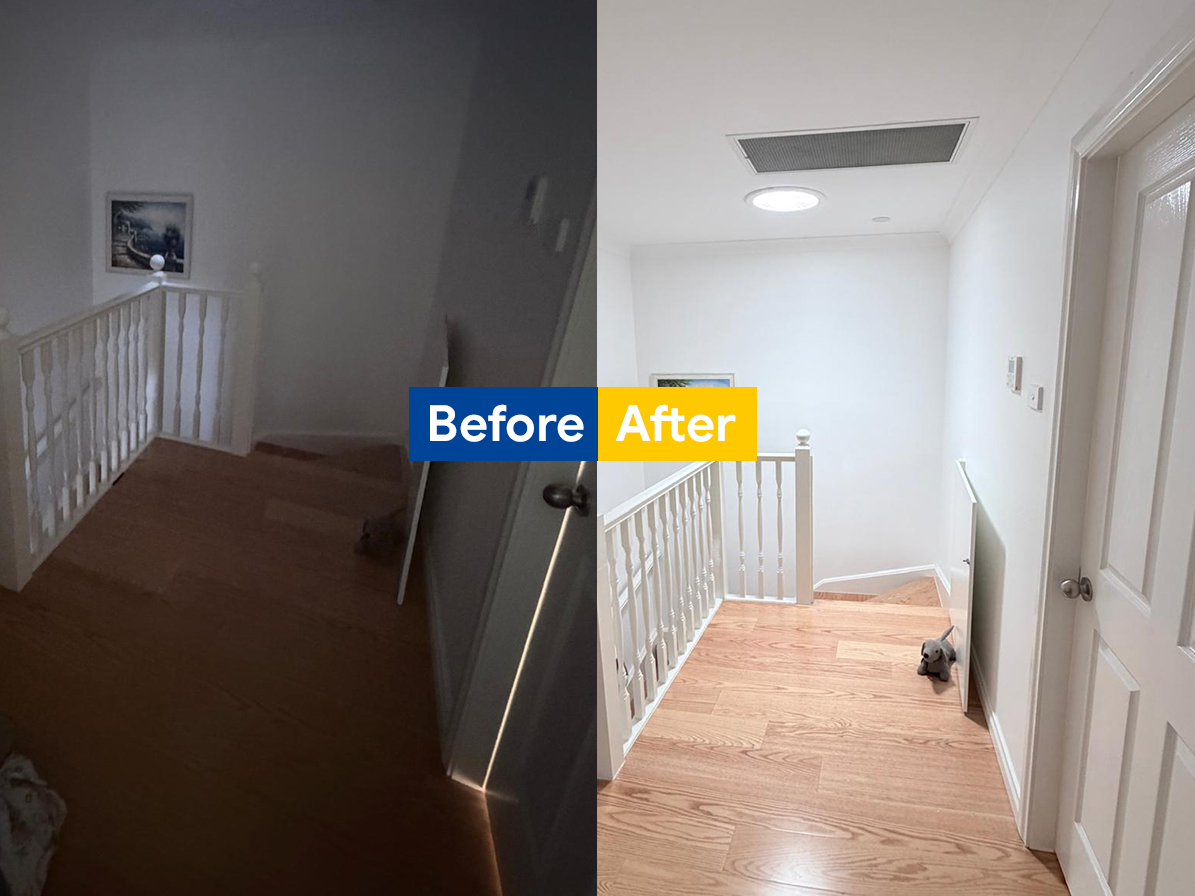
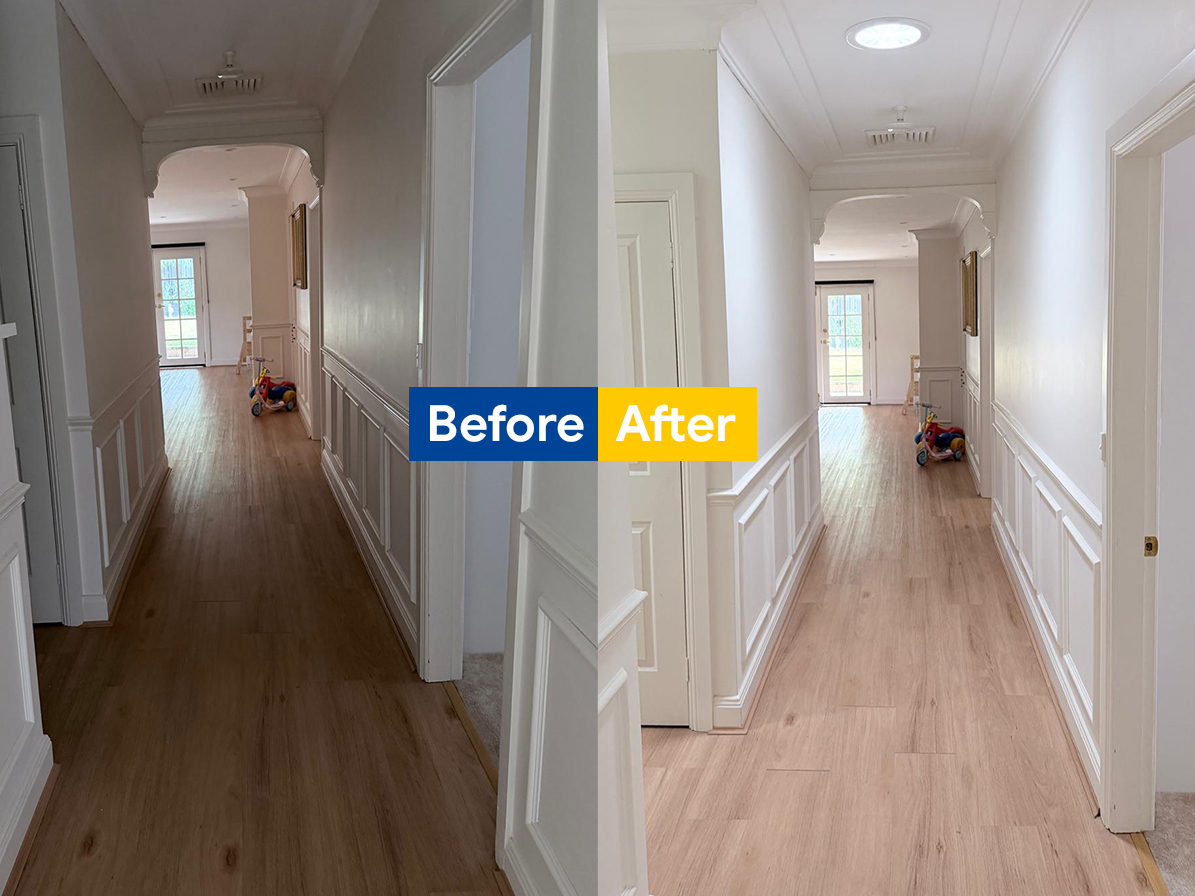
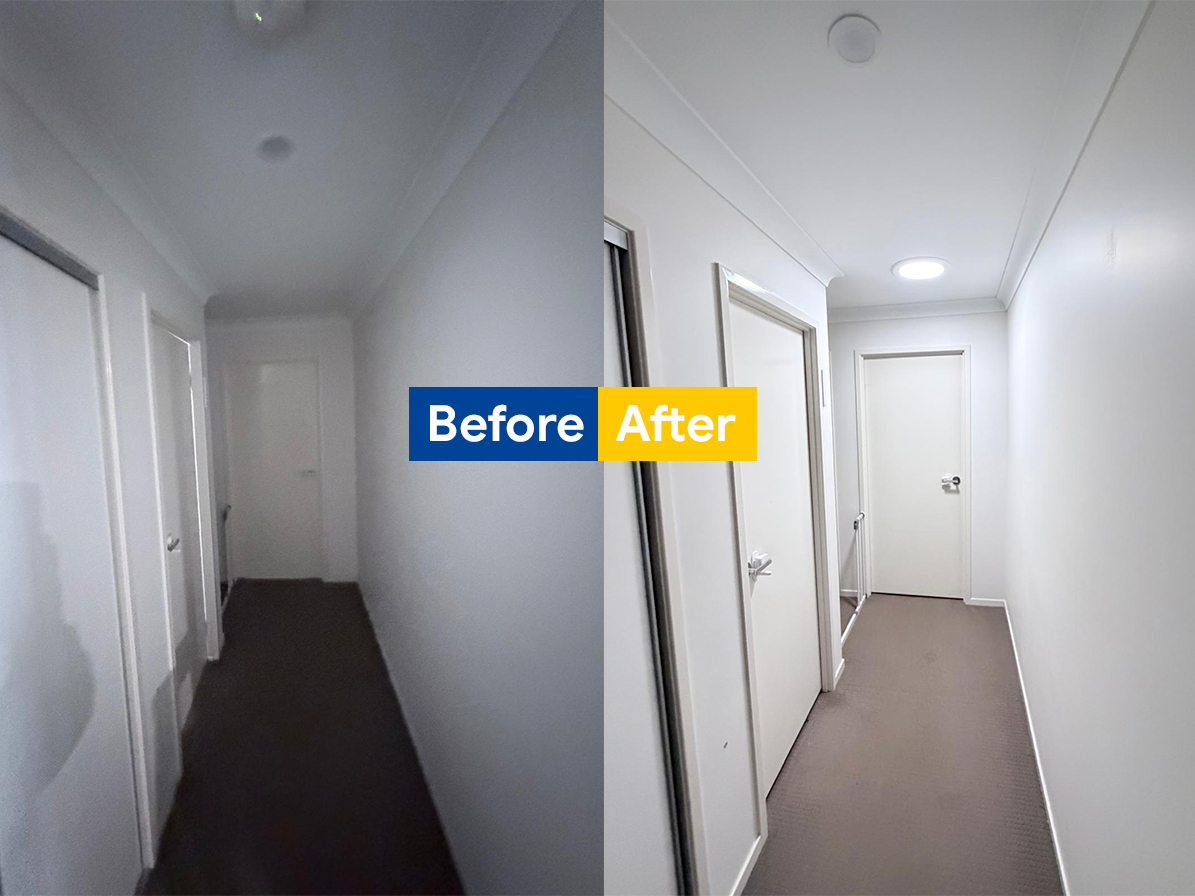
Lumens are an important factor when comparing solar skylights because they tell you how much visible light the system can produce. Choosing the right lumen output can help you get the right level of brightness for your room. A lumen is the standard unit used to measure the total amount of visible light emitted by a light source.

In simple terms, lumens tell you how much light a solar skylight produces.

The higher the lumen rating, the more light the system will generally provide.

For example, a 2,000-lumen solar skylight will usually produce more light than a 1,500-lumen model.

Lumens are different from watts. Watts measure how much power a light uses, while lumens measure the amount of visible light it produces.

This makes lumens one of the most useful specifications to consider when comparing solar skylights.

Why Do Lumens Matter for Solar Skylights?

Different rooms require different levels of brightness.

A small bathroom, wardrobe or laundry may not need the same amount of light as a large hallway, kitchen or living area.

Choosing the right lumen output can help provide:

  • Better Room Coverage: Match the amount of light to the size of the space.
  • Comfortable Brightness: Avoid a room feeling too dark or overly bright.
  • Better Solar Skylight Selection: Choose a model that suits the room rather than simply selecting the largest option.
  • Useful Daytime Lighting: Brighten darker areas of your home during the day.

The highest lumen output is not always the best choice.

What matters most is selecting the right amount of light for the room.

MaxLED Solar Skylights and Lumens

SolarBright’s MaxLED solar skylights are available in two main sizes, with different lumen outputs to suit different areas of the home.

MaxLED Standard

MaxLED Standard is available in two sizes: 250mm with 1,500 lumens for smaller spaces, and 400mm with 2,000 lumens for larger or wider areas that require more light.

MaxLED24

MaxLED24 is available in two sizes: 250mm with 1,500 lumens and 400mm with 2,000 lumens. It also includes battery storage, allowing the light to operate when sunlight is unavailable, including at night.

How Do Lumens Matter When Selecting a Solar Skylight for Your Room?

A simple way to think about solar skylight lumens is:

Smaller room = lower lumen output

Larger or wider room = higher lumen output

For smaller spaces such as bathrooms, wardrobes, laundries and compact hallways, a 1,500-lumen 250mm MaxLED may be suitable.

For larger areas such as kitchens, wider hallways and larger rooms, a 2,000-lumen 400mm MaxLED may provide better coverage.

Room size is not the only factor, though.

Ceiling height, room layout, wall colours, light placement and how bright you want the room to feel can also influence which model is best.

This is why the right solar skylight should be selected based on the room and your lighting requirements, rather than simply choosing the highest lumen rating.

Looking for Solar Skylights?

SolarBright can help you choose the right MaxLED solar skylight based on your room size, layout and lighting requirements.

Get in touch with SolarBright today for expert advice and a free quote.


Documents needed to apply for solar loans

Applying for a solar loan can make it easier to install a new solar system, battery or complete solar and battery package without paying the full cost upfront.

When applying for a solar loan for your solar or battery system, you may be asked to provide documents that help the loan provider verify your identity, income and financial circumstances.

Common documents may include:

  • Proof of identity
  • Proof of income
  • Bank statements

The exact requirements will depend on the solar loan provider, loan product and your individual circumstances.

Proof of identity

Solar loan providers will generally need to confirm your identity before approving an application.

You may be asked to provide identification such as:

  • A valid Australian driver licence
  • An Australian or international passport
  • Another form of identification accepted by the loan provider

The documents required can vary between providers, so you may need to provide more than one form of identification in some circumstances.

Proof of income

You may also be required to provide evidence of your income so the solar loan provider can assess your ability to meet repayments.

Employees may be asked to provide recent payslips.

If you receive income from other sources or are self-employed, the loan provider may request different supporting documents depending on your circumstances.

Bank statements

Recent bank statements may also be requested as part of the solar loan application.

These can help the loan provider verify your income, regular expenses and any existing financial commitments.

The period of statements required will depend on the lender and the type of solar loan you are applying for.

In many cases, the solar loan application can be completed online. The loan provider will advise you during the application process if additional supporting documents are required.

Why choose SolarBright for your solar loans?

SolarBright makes it easier to explore solar loan options alongside your solar or battery installation.

Instead of organising your solar system and loan separately, our team can help guide you through the available solar loan options and the next steps.

We work with a number of solar loan providers

SolarBright works with a number of loan providers, giving customers access to different solar loan options depending on their requirements and eligibility.

A simpler approval process

Having the right information and documents ready can help make the solar loan application process more straightforward.

Our team can guide you through the process and help you understand what information may be required before your application is submitted to the loan provider.

We help take care of the process

Choosing your solar system, organising installation and arranging a solar loan can involve several different steps.

SolarBright can help simplify the process by assisting with your solar or battery system selection and explaining the available solar loan options.

Choose from a wide range of solar batteries and packages

SolarBright offers a wide range of solar panels, solar batteries and complete solar and battery packages designed for different homes, energy requirements and budgets.

Our team can help you choose a system based on your electricity usage, available roof space, battery requirements and future energy goals.

Thinking of getting a solar loan? Get in touch

Thinking about installing solar or adding a battery but prefer to spread the cost?

Speak with the SolarBright team about our solar and battery solutions and the solar loan options that may be available.

We can help you choose the right system, explain the next steps and guide you through the solar loan application process.