5 questions to ask when choosing skylight

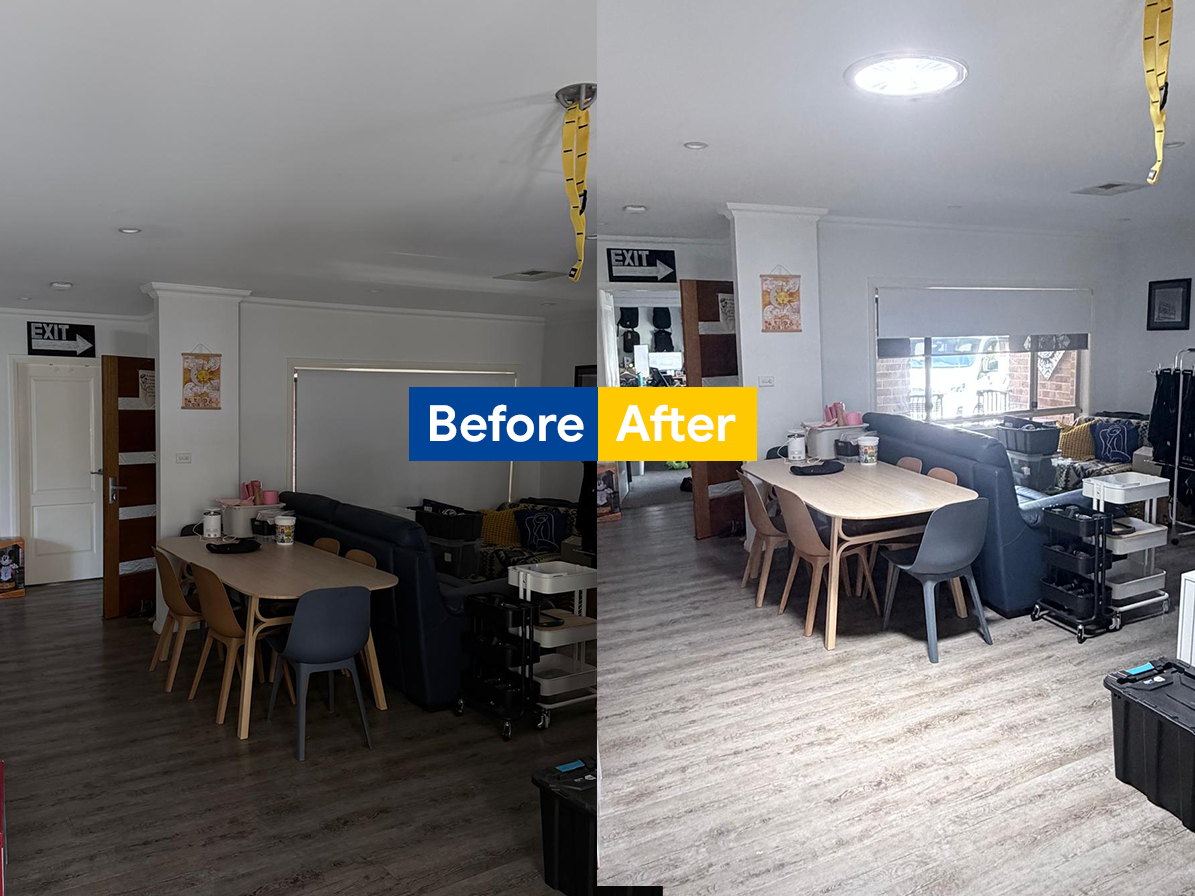
Some rooms stay dark even on a sunny day. Your bathroom might have no window, your hallway might run through the middle of the house or your kitchen bench might sit in shadow. Start by deciding where you need more light and when you use that part of the room.

Traditional glazed and tubular skylights bring natural daylight indoors. A solar LED skylight uses sunlight to power a ceiling light. How each system gets light into the room affects where it can go and how much work it takes to install.

SolarBright’s MaxLight tubular skylights come in sizes for small bathrooms, hallways and larger living areas. MaxLED solar skylights offer a flexible alternative when a tubular skylight would need a long tube run or when roof framing or ducting leaves little room to route the tube.

What does skylight installation involve?
What Is the Cost Of Installing Skylights The Factors that Influence Price

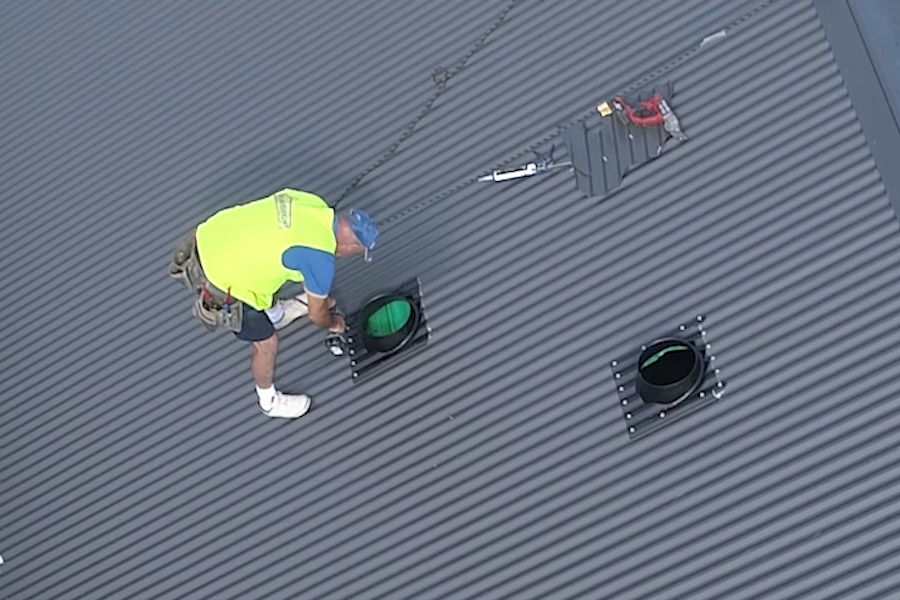
Start with your roof type, how easily an installer can access it and what sits between the roof and ceiling. These details help determine where the skylight can go and how much work the installation will take.

A traditional glazed skylight can bring a broad spread of daylight into a room and give you a view of the sky. The window needs a roof opening and may also need a framed and plastered light shaft to carry daylight down to the ceiling.

A tubular skylight carries daylight through a reflective tube. Its smaller opening generally requires less roof and ceiling work. Check whether the tube has a clear route around framing and ducting.

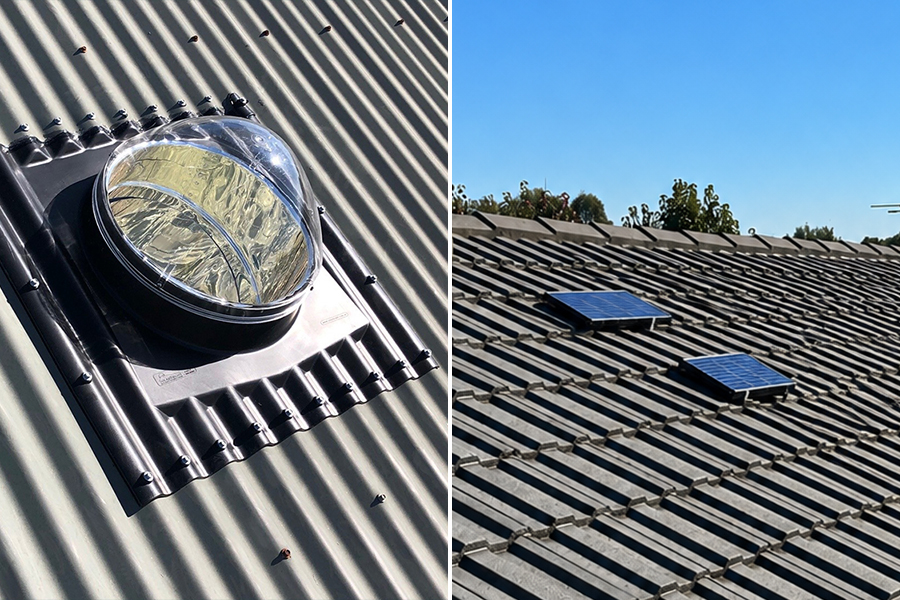
A solar LED skylight uses a compact rooftop panel connected by a cable to an LED ceiling fitting. The installer needs a sunny spot for the panel and a suitable route for the cable.

If there’s room to run a tube from the roof to the ceiling, MaxLight can bring natural daylight directly into the room. If framing or ducting makes a tube difficult to run, MaxLED gives you more flexibility to place the ceiling light where you need it.

How big is the room?
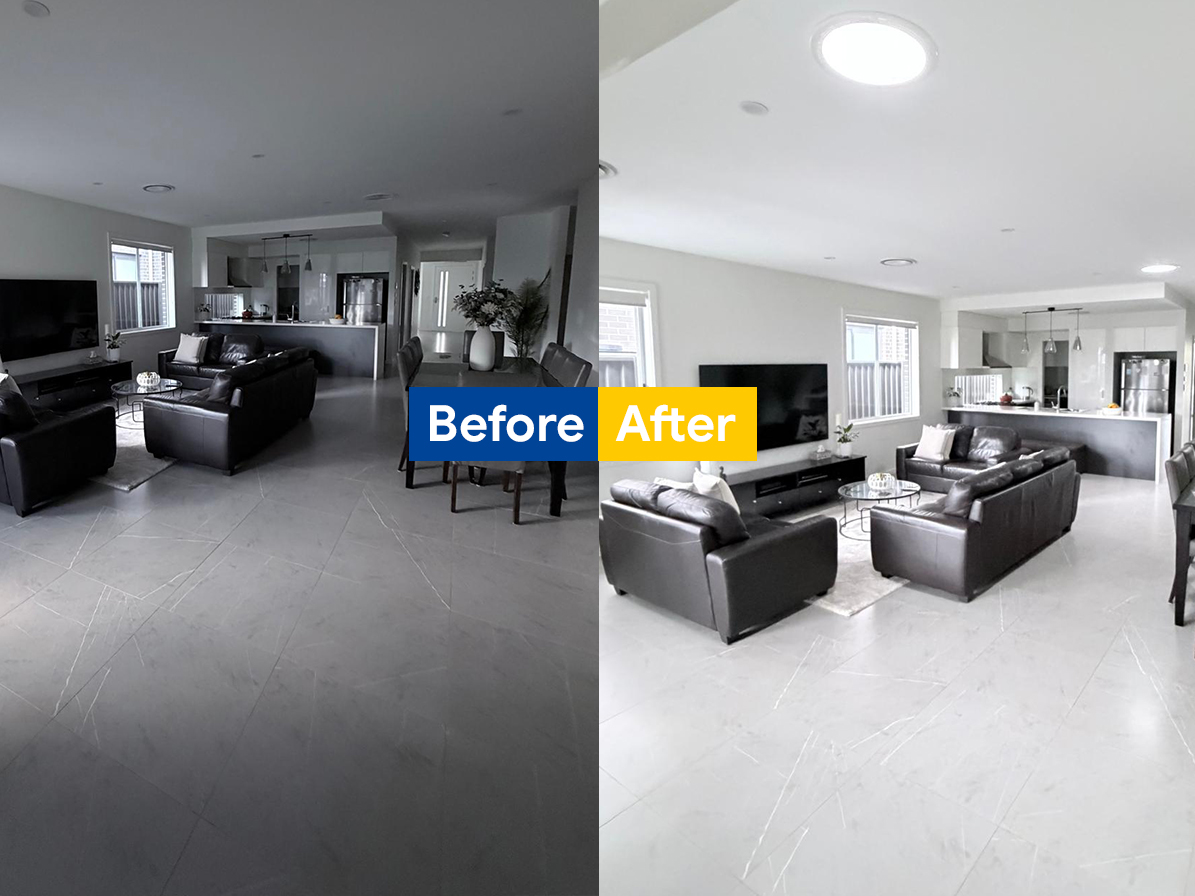
Measure the area you want to brighten and look at where daylight already reaches. A shaded kitchen bench may need one fitting above the prep area. In a long hallway, two smaller fittings spaced apart can help light reach both ends.

For a traditional glazed skylight, think about where daylight from the roof window will fall. With a tubular skylight, a wider tube can bring in more daylight, and a shorter, straighter route helps more of it reach the ceiling diffuser. For a solar LED skylight, compare light output in lumens and factor in ceiling height and the position of the fitting.

Both MaxLight tubular skylights and MaxLED solar skylights come in several sizes. Use the tables below to find a starting point for your room.

MaxLight tubular skylights

Model Indicative light coverage Where to start
MaxLight ML250 Up to 18 m² Bathrooms, laundries, walk-in robes and short hallways
MaxLight ML400 Up to 25 m² Kitchens, dining rooms and living areas
MaxLight ML550 Up to 32 m² Large open areas and commercial spaces

Actual daylight coverage depends on roof exposure, tube length and bends. Compare MaxLight models.

MaxLED solar skylights

Ceiling fitting Rated light output Where to start
250 mm 1,500 lumens A bathroom, laundry or short hallway
400 mm 2,000 lumens A wider area or a spot that needs more light, such as a kitchen bench

Both fitting sizes are available in MaxLED Standard for daytime lighting and MaxLED24, which stores solar energy in a battery for use after dark. Compare MaxLED models.

For more examples by room, see our guide to choosing a skylight size.

What are the standout features of a skylight?
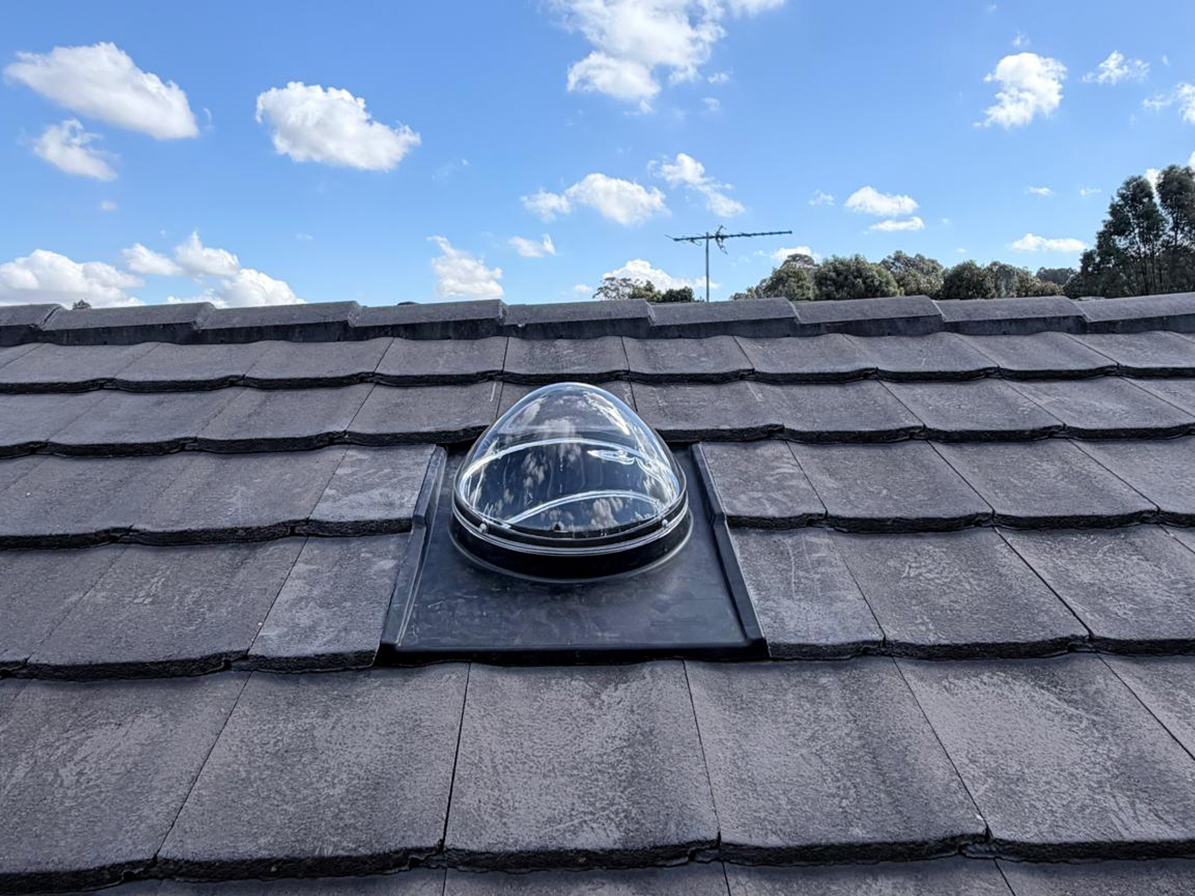
Compare the materials, weatherproofing and warranty cover for each model. For a traditional glazed skylight, look at the glazing, options for glare control and whether the window opens for ventilation.

With a tubular skylight, check how the dome collects daylight and how evenly the diffuser spreads it. With a solar LED skylight, compare the light output, controls and battery options. For all three types, look at how the unit fits your roof and what support comes with it.

MaxLight tubular skylight features

We design and make MaxLight tubular skylights in Australia. We offer flashings for most Australian roof types, including corrugated metal, concrete tiles and terracotta tiles.

The Raycatcher® dome is UV-stabilised and hail-resistant. Inside, a triple-lens diffuser spreads daylight across the room.

The reflective tube has a 20-year warranty.

MaxLED solar skylight features

We design MaxLED solar skylights in Australia. They can suit all roof types with the right panel mount, good solar exposure and a suitable cable route. Ask your installer how they’ll weather-seal the cable entry where it passes through the roof.

The solar panel has a 10-year warranty, and the LED fitting and MaxLED24 battery each have three years of cover.

How does local expertise shape skylight design?

Ask where the company is based, where it designed the skylight and which local conditions shaped that design. Look for practical details about the roof profiles, ceiling layouts and weather the designers considered.

For a traditional glazed skylight, compare glazing and shading options for a roof that gets strong afternoon sun.

For a tubular skylight, check how the design handles exposed roof positions and different distances between the roof and ceiling.

For a solar LED skylight, look for panel mounts suited to your roof material and enough flexibility to run a cable through a shallow or crowded roof space.

MaxLight  Tubular skylights are designed and made in Australia.

MaxLED Solar skylights are designed in Australia.

What does the installation warranty cover?
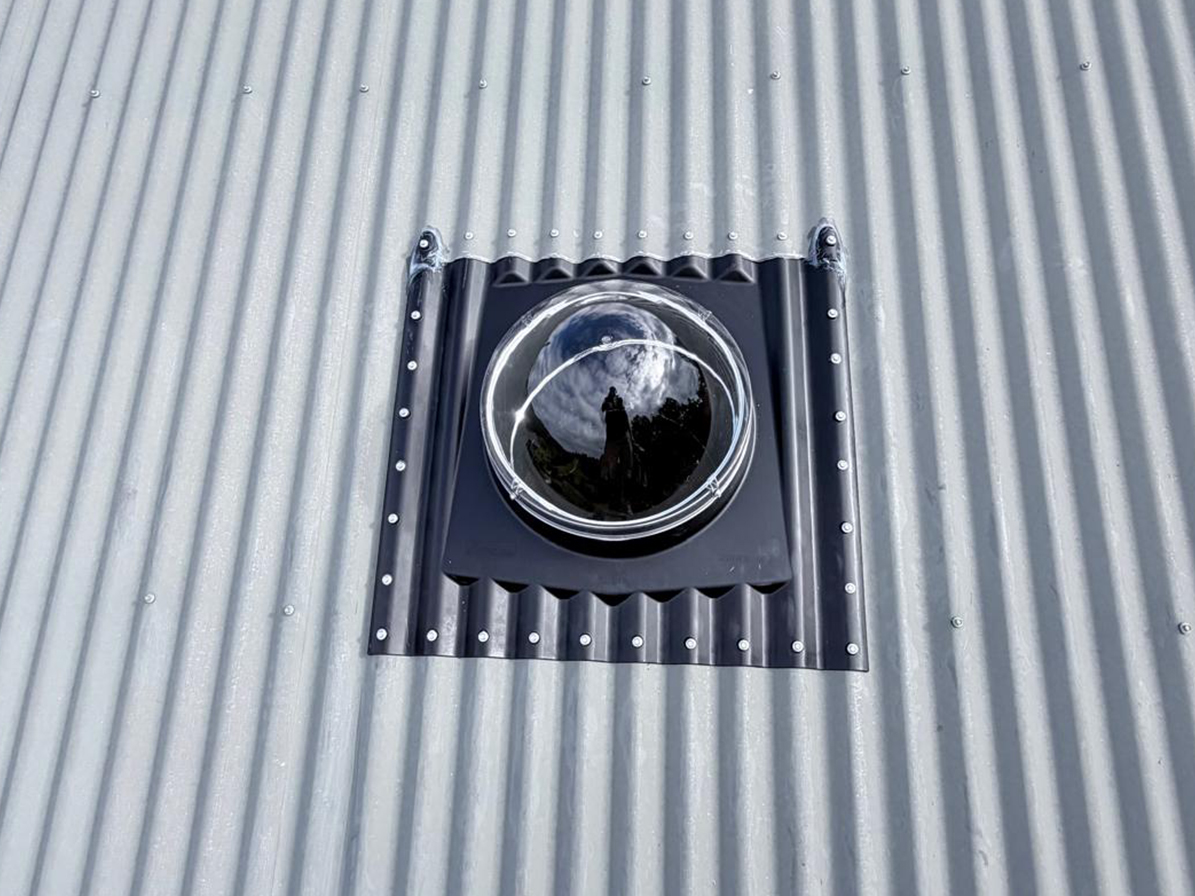
A product warranty covers specified parts. An installation warranty covers workmanship under the installer’s terms. Ask how long the cover lasts, who handles a claim and whether fixing a covered fault includes the labour and return visit.

Skylight type Installation faults to ask about
Traditional glazed Leaks caused by poorly fitted flashing or roof seals, or faults in the finished light shaft
Tubular Incorrectly fitted flashing, unsecured tube joints or a loose ceiling diffuser
Solar LED Loose panel mounts, leaks around the cable entry or an incorrectly secured ceiling fitting

MaxLight tubular skylights come with a 20-year product warranty on the reflective tube.

MaxLED solar skylights come with a 10-year product warranty on the solar panel and three years of cover on the LED light and battery.

SolarBright’s skylight installation warranty

We back the MaxLight and MaxLED skylights we install with at least one year of workmanship cover.

If you spot a problem with the skylight installation, contact us and we’ll assess it and fix any fault covered by the warranty.

Book a skylight consultation

Book a free consultation  and tell us which room you’d like to brighten, what kind of roof you have and whether you need light after dark.

We’ll help you choose between MaxLight tubular skylights and MaxLED solar skylights, recommend a size and explain what installation involves.
Do solar roof vents really work?

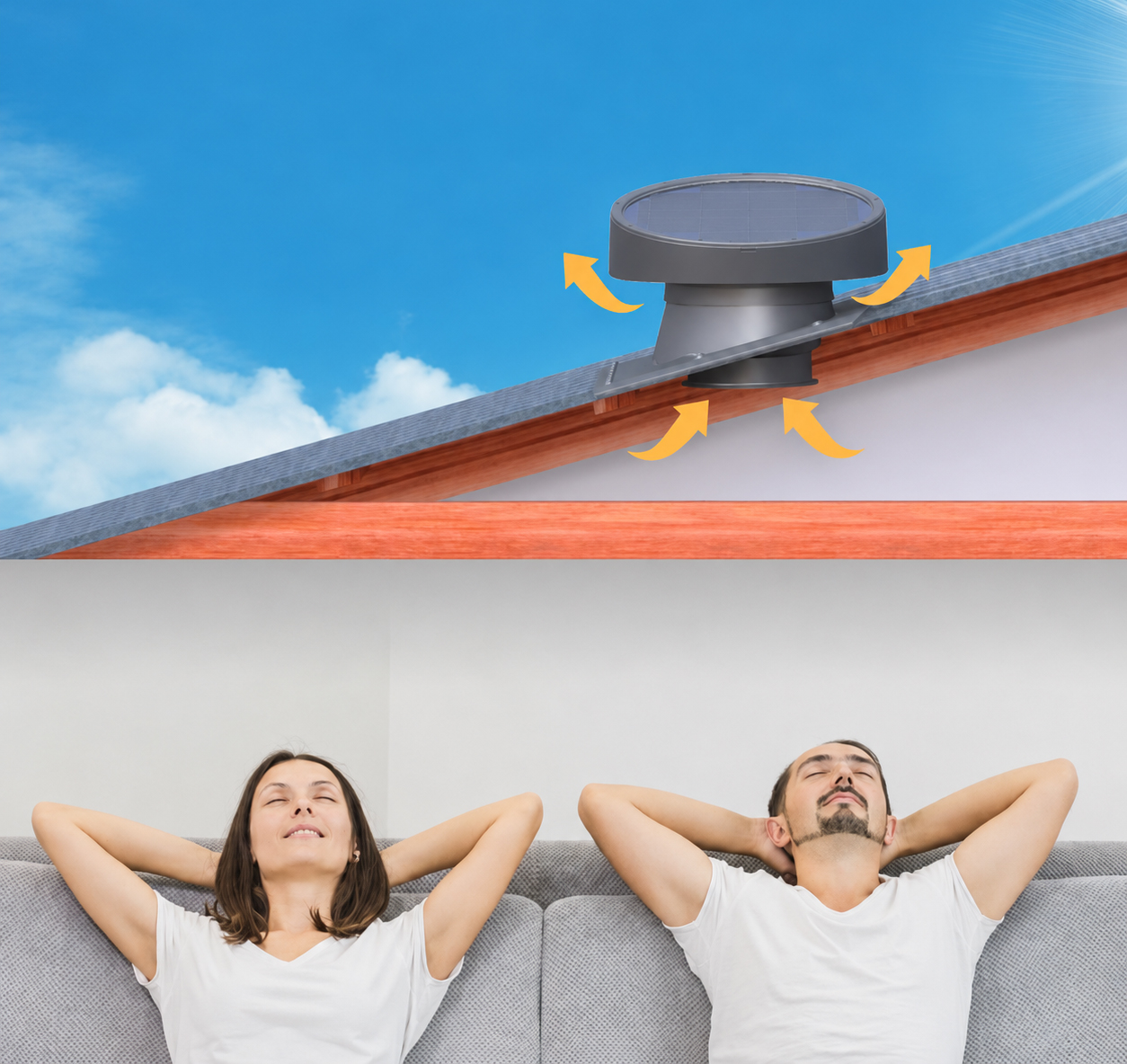
Yes, solar roof vents really work. They use solar energy to power a fan that extracts hot air from your roof cavity. When correctly selected and installed with adequate intake airflow, they help reduce heat build-up above your ceiling and limit heat transfer into your home.

Australian summers can put your home under serious heat stress. While the sun heats your roof, hot air builds up in the cavity underneath. This can increase the heat entering your living areas and add to the work your air conditioner needs to do.

Whirlybirds are a familiar way to ventilate a roof, but their airflow depends on wind and natural pressure differences. For homeowners wanting active extraction on sunny, still days, solar roof ventilation offers a practical advantage.

SolarBright’s MaxBreeze combines a solar-powered fan with automatic thermostat control. With quiet operation and day-and-night options available, it offers a smarter way to manage heat in your roof space.

How does MaxBreeze solar roof ventilation work?

MaxBreeze brings together solar power, a motor-driven fan and a thermostat that responds to the temperature inside your roof cavity. Here is how the process works in four steps.

Step 1: Heat builds up inside the roof cavity

During warm weather, sunlight heats your roof and the space underneath it. Without enough ventilation, the roof cavity can become considerably hotter than the outdoor air.

Step 2: The solar panel converts sunlight into electricity

MaxBreeze’s dedicated solar panel converts sunlight into electricity to power the fan motor. This gives the system its own source of daytime power, so you do not need an existing rooftop solar installation.

Step 3: MaxBreeze extracts hot air from the roof cavity

The thermostat senses the roof-space temperature. With the standard setting, the fan activates when the temperature reaches approximately 25°C, provided sufficient power is available.

The fan then draws hot air out of the roof cavity and releases it outside. As this air leaves, replacement outdoor air enters through suitable intake openings, such as eave vents.

MaxBreeze PLUS models offer adjustable thermostat settings, giving you more control through the remote.

The thermostat setting determines when the fan operates. The temperature achieved in the roof cavity and rooms below also depends on outdoor conditions, insulation, roof design and airflow.

Seven reasons MaxBreeze suits Australian homes

Solar power keeps it working on sunny, still days

A hot day does not always bring a cooling breeze. This is where MaxBreeze has a clear advantage over ventilation that relies on wind.

Its solar-powered motor actively drives the fan when sunlight and operating conditions allow. That makes it a practical choice for extracting roof-space heat during sunny weather, even when the air outside is still.

Automatic temperature control

The built-in thermostat helps match fan operation to heat in the roof cavity. Once installed and set up, the system responds automatically as conditions change.

For greater flexibility, the PLUS range adds adjustable controls. These models also offer a humidistat that can trigger ventilation in response to excess roof-space humidity.

Quiet operation

MaxBreeze uses a brushless DC motor designed for quiet operation. It helps keep air moving through the roof space while working discreetly above your ceiling.

For homeowners who want effective ventilation without adding a noisy appliance, low-noise operation is an important part of the package.

Powerful airflow with a choice of models

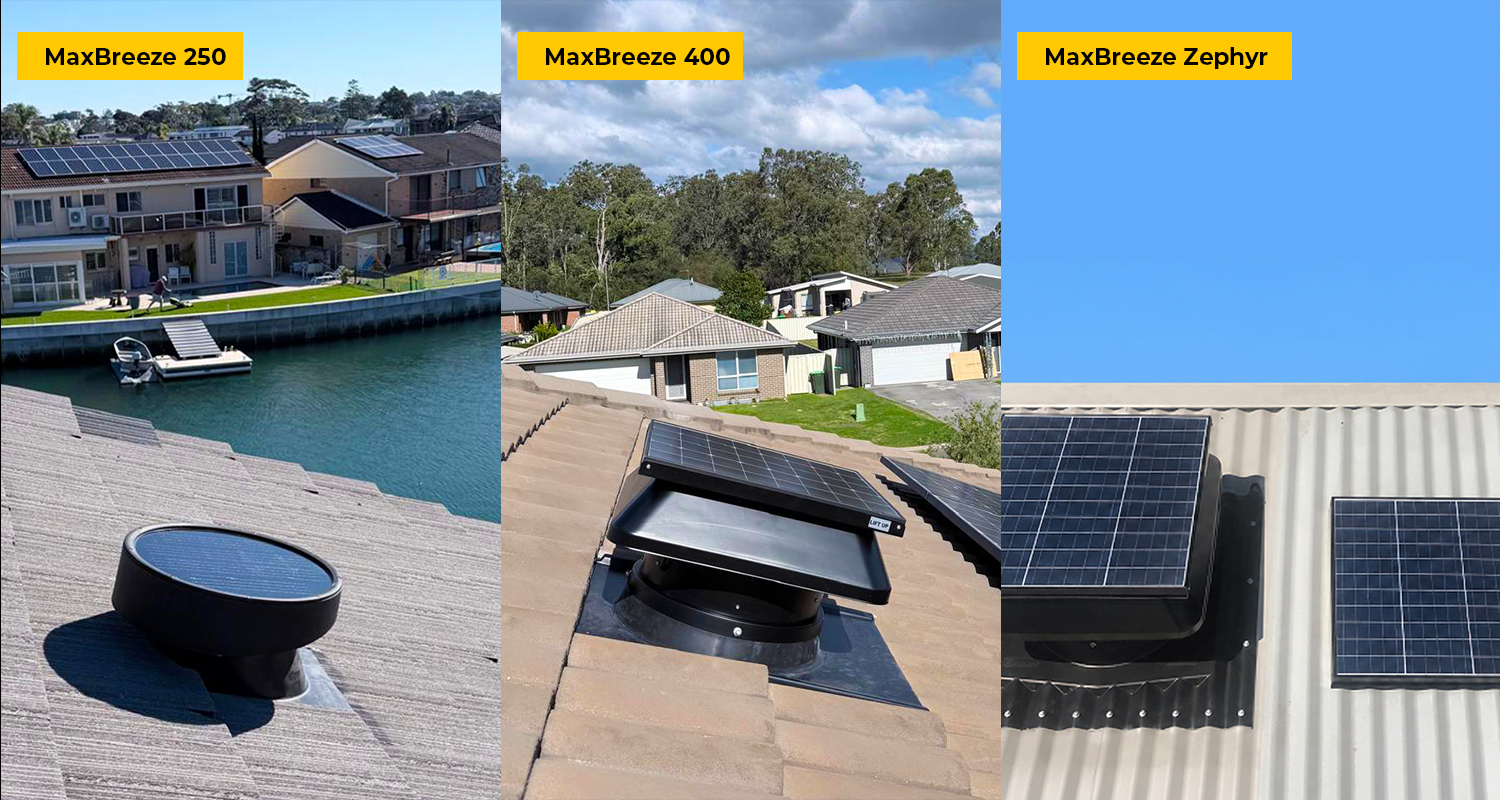
MaxBreeze provides active extraction through a motor-driven fan, with different capacities to suit different roof spaces.

The MB250 offers approximately 800m³/h peak airflow, while the larger MB400 offers approximately 2,200m³/h under optimum power conditions. Actual installed airflow depends on the power available and restrictions within the ventilation system.

Our team can help match the fan capacity and number of units to your roof size, layout and intake ventilation.

Straightforward installation

MaxBreeze can be installed on many tiled and metal roofs using the appropriate flashing and installation method.

Our installers assess roof access, pitch, solar exposure and airflow pathways to identify a suitable position. Correct placement helps the panel receive sunlight and the fan ventilate the intended roof space.

AC-backed configurations also require a suitable mains power supply.

Day-and-night options

Heat can remain in the roof cavity after the sun goes down. If evening ventilation matters to your household, MaxBreeze offers options beyond daytime solar operation.

Standard MB250: solar-powered daytime ventilation.

MB400 Zephyr: daytime solar operation, with a built-in battery for operation after dark when required and sufficient charge is available.

AC-backed models: selected configurations can use mains electricity to support night-time operation.

Our team can explain which model and power option best suit your requirements.

Low running costs

During direct solar operation, MaxBreeze uses electricity generated by its own panel to power the fan. This avoids drawing grid electricity for that operation.

Battery-equipped models can use stored solar energy after sunset. Where an AC supply powers the fan, household electricity is used during those periods.

You can choose the operating arrangement that balances your ventilation needs with your preference for solar, battery or mains power.

MaxBreeze vs whirlybirds: which should you choose?

Whirlybirds can provide basic roof ventilation at a lower upfront cost. Their performance varies with wind and natural airflow conditions.

MaxBreeze adds powered extraction and thermostat control, giving homeowners another way to manage hot roof spaces.

Feature Whirlybirds MaxBreeze solar roof ventilation
How airflow is created Wind-driven turbine and natural pressure differences Motor-driven extraction fan
Sunny, still weather Airflow can be limited by conditions Fan can operate with sufficient sunlight and the appropriate thermostat setting
Temperature control Typically no thermostat Automatic thermostat control
Adjustable controls Typically limited Available with PLUS models
Night-time operation Depends on wind and natural airflow Battery or AC options, depending on the model

If your main concern is heat building up on sunny days with little wind, MaxBreeze is a strong upgrade to consider. You gain active extraction, automatic controls and a choice of power options.

Getting the best results from solar roof ventilation

The right installation matters as much as the fan itself. A roof ventilator needs a clear path for air to enter, move through the cavity and leave through the fan.

Our assessment considers:

  • Roof size and layout: larger or divided roof spaces may require a different capacity or more than one unit.
  • Intake airflow: suitable openings allow replacement air to enter the roof cavity.
  • Sunlight: panel placement and shading affect the electricity available during the day.
  • Insulation and ceiling sealing: these work alongside ventilation to manage heat transfer and unwanted air leakage.

This approach helps ensure the recommendation suits your home and the way its roof space is constructed.

Let us help you find the right MaxBreeze

Whether you are replacing a whirlybird or installing roof ventilation for the first time, SolarBright can help you choose the right model and installation.

Request a free MaxBreeze consultation today.

What size skylight does your room need?

Choosing a skylight involves more than matching a fitting to your room’s floor area. Before deciding on a size, look at how the system will connect the roof to the room below.

For a tubular skylight, the tube’s length, position and route are key factors. Where a suitable tube route is difficult to achieve, a solar LED skylight can offer a more practical solution because the rooftop panel connects to the indoor light through a cable.

At SolarBright, we offer MaxLight ML250, MaxLight ML400 and MaxLight ML550 tubular skylights, alongside MaxLED Standard and MaxLED24 solar skylights. Here is how to choose the right system, size and layout for your home.

Start with the route from your roof to the room

A tubular skylight needs a physical connection between its rooftop collector and ceiling diffuser. The position of these two components determines where the tube must run.

Before choosing a MaxLight model, consider:

  • Tube length: how far must daylight travel from the roof to the ceiling? Assess the proposed length against the selected model’s specifications.
  • Tube position: can the roof collector receive good daylight while the ceiling diffuser sits where the room needs light?
  • Bends and obstructions: does the tube need to pass around roof framing, ducting or other services?

A shorter, more direct route is a useful design goal. Longer runs and additional bends can affect the amount of daylight delivered, so room size alone cannot determine the right model.

The aim is to find a suitable roof position and tube route that work with your preferred ceiling location.

Which should you choose: tubular or solar skylights?

Choose MaxLight when a suitable tube route is available

Our MaxLight tubular skylights bring actual natural daylight into your room. A rooftop dome collects daylight, reflective tubing carries it through the roof space, and a ceiling diffuser spreads it indoors.

MaxLight is a strong choice when the collector can receive good daylight and the tube can reach the desired ceiling position through a practical route.

The final recommendation should account for tube length, bends, room dimensions and the light you want. A longer tube run may still suit MaxLight when the selected model and complete route are appropriate.

Choose MaxLED when a tube route is impractical

Our MaxLED solar skylights are often the better option when tube length, positioning or roof-space obstructions make a tubular installation difficult.

A rooftop solar panel generates electricity and sends it through a cable to the ceiling-mounted LED light. This gives more flexibility to position the panel and indoor fitting separately, without accommodating a reflective tube between them.

For example, the best panel position may be some distance from the dark area you want to brighten. A suitable cable route can make that arrangement easier to achieve than a long or complicated tube run.

The solar panel still needs suitable exposure, and the cable route must be assessed. MaxLED produces solar-powered LED light rather than transporting natural daylight indoors.

Choosing a MaxLight tubular skylight size

Designed and manufactured in Australia, MaxLight combines a Raycatcher dome, Miro-Silver reflective tubing and a triple-lens diffuser. The range offers three main sizes:

Model Nominal diameter Indicative light coverage Typical spaces
MaxLight ML250 250mm Up to 18m² Bathrooms, laundries, wardrobes and smaller hallways
MaxLight ML400 400mm Up to 25m² Kitchens, dining rooms and living areas
MaxLight ML550 550mm Up to 32m² Larger open areas and commercial spaces

These coverage figures are a starting guide. Actual results depend on daylight conditions, tube length, installation layout and your preferred brightness.

The ML250 suits compact spaces and smaller dark areas. The ML400 is worth considering when you want natural daylight across a broader kitchen, dining or living space. The ML550 serves larger areas, including commercial applications.

Choose the model alongside the tube route. Increasing diameter alone does not resolve an unsuitable collector position or an impractical path through the roof space.

Choosing between MaxLED Standard and MaxLED24

With MaxLED, choose both the light size and how you want the system to operate.

Model Available light sizes Published LED output Battery storage
MaxLED Standard 250mm or 400mm 1,500 or 2,000 lumens respectively No
MaxLED24 250mm or 400mm 1,500 or 2,000 lumens respectively Yes

MaxLED Standard: daytime lighting

MaxLED Standard is designed for extra light during the day. It is a practical option for internal rooms, laundries and passageways where a cable connection suits the layout better than a tube.

Its standard configuration has no battery, so output depends on available solar generation. Consider this model when daytime lighting meets your needs.

MaxLED24: daytime and after-dark lighting

MaxLED24 adds a rechargeable battery, movement sensor and remote control for switching and dimming.

The battery stores solar energy for use when the panel is not producing enough electricity, including after dark. This makes MaxLED24 worth considering for hallways, entrances and rooms used into the evening.

Battery operating time depends on stored charge, conditions and use. Choose between Standard and MaxLED24 for their operating features, then select the light size separately.

How to match the skylight size to your room

Once you know which system suits the roof-to-room connection, assess the space you want to brighten.

Measure the floor area. Multiply length by width. A 4m × 3m kitchen measures 12m², but its lighting needs also depend on existing windows and where the dark areas sit.

Consider ceiling height and layout. A tall ceiling, long passage or divided room needs closer attention to light distribution. Several well-positioned fittings may serve separate areas more effectively than one central fitting.

Compare MaxLED lumen output. Lumens describe the amount of visible light produced. The 250mm, 1,500-lumen option is a starting point for smaller spaces. The 400mm, 2,000-lumen option is worth comparing for wider rooms or areas needing more light.

Assess the complete installation. For MaxLight, review the tube route and available roof daylight. For MaxLED, review panel exposure, cable routing and fitting positions. Consider seasonal conditions as well as a bright summer afternoon.

MaxLight coverage figures do not apply to MaxLED. Keep dedicated task lighting where needed for cooking, reading and detailed work.

Which models suit different rooms?

Bathrooms and laundries: consider an ML250 where a suitable tube route is available. A 250mm MaxLED is an alternative when roof-space constraints favour a cable connection.

Kitchens: compare an ML250 or ML400 against the area needing daylight and the proposed tube route. A 400mm MaxLED is another option where cable routing makes the desired ceiling position more practical. Explore our kitchen skylight options.

Hallways: consider the length and shape of the passage when deciding on quantity and spacing. MaxLED24 adds battery-supported lighting after dark. See our hallway skylight options.

Larger living areas: assess an ML550 or multiple MaxLight units where the tube routes suit. For a solar LED solution, plan MaxLED fittings around the separate living zones.

Find the right skylight with SolarBright

If you are looking for skylights or have any questions regarding skylight installations get in touch with the team at SolarBright.