Solar system size and battery size

Your solar system and battery should work together to suit your household’s electricity usage. The panels need to generate enough electricity to run your home during daylight and provide surplus energy for storage. Your solar battery should have enough capacity to cover a substantial share of your evening and overnight electricity use.

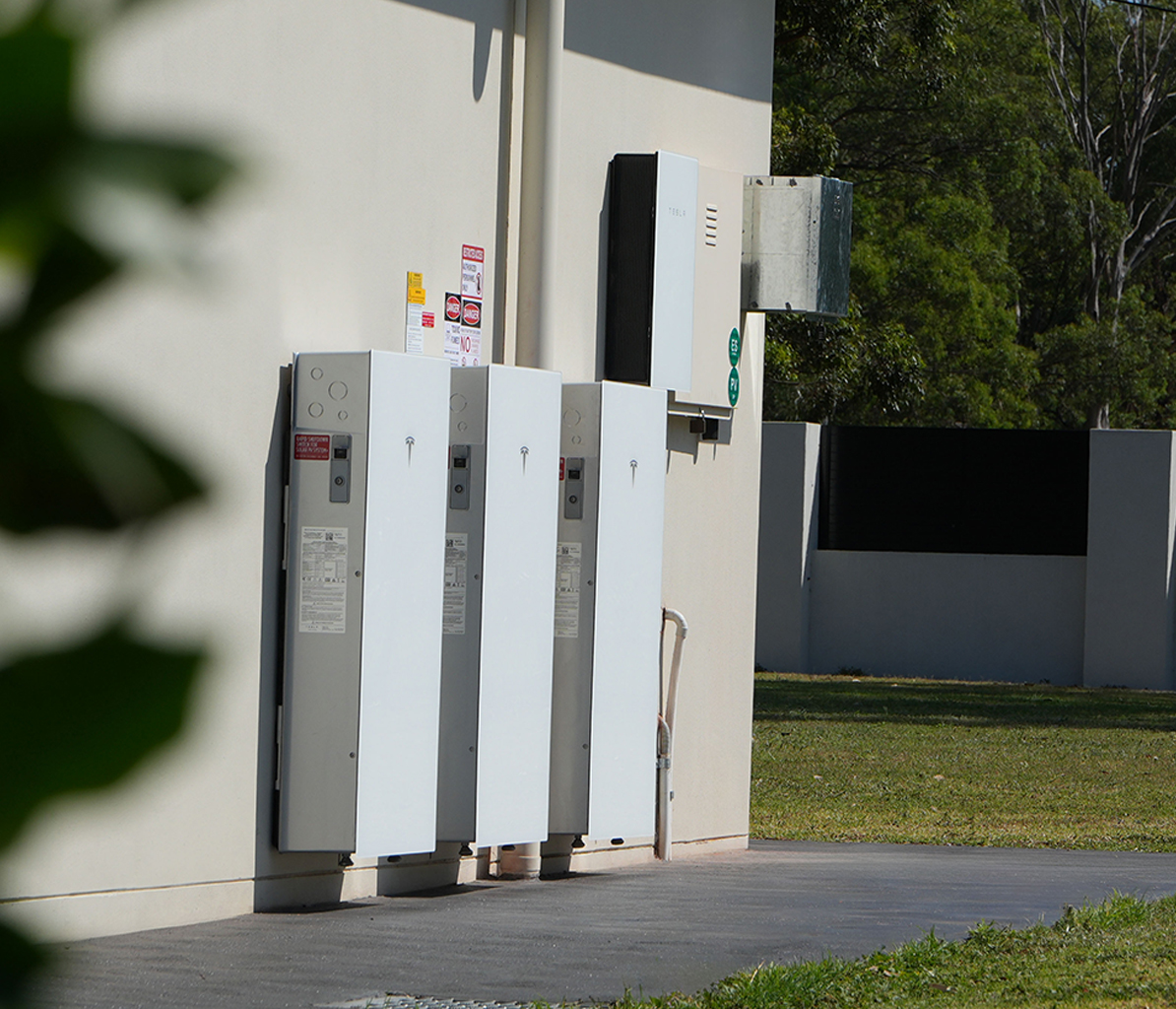
Understanding this relationship helps you choose a system that suits your home. Let’s look at how it works, using a 13.2kW solar system and Tesla Powerwall 3 in Sydney as an example.

How are solar system size and battery size related?

Solar system size is measured in kilowatts (kW). It describes the combined rated power capacity of your solar panels.

Battery capacity is measured in kilowatt-hours (kWh). It describes how much energy the battery can store for later use.

For example, the Tesla Powerwall 3 provides 13.5kWh of usable storage. Pairing it with 13.2kW of solar does not mean the numbers need to match. They measure different things.

What matters is how much electricity your panels generate across the day, how much your home uses directly and how much remains to charge the battery.

A Sydney example: how much electricity can 13.2 kW of solar generate?
As a general guide, Sydney receives around 4.5 peak sun hours per day, averaged across the year. Peak sun hours represent the equivalent amount of strong sunlight received throughout the day. Your panels can generate electricity over a longer daylight window, with output rising and falling as conditions change.

Typical Sydney generation is approximately 4kWh per day for every 1kW of installed panels, averaged over a year. Using that benchmark:

13.2kW of solar × 4 = approximately 53kWh of electricity per day.

Generation is generally higher in summer and lower in winter. Roof orientation, shading, weather and inverter limits also affect the result.

For a good sunny spring or summer day, let’s use 60kWh of generation as a practical example. This is an illustrative figure rather than a guaranteed daily output.

How daytime usage affects battery charging

Imagine your 13.2kW system generates 60kWh during the day. Your home uses 20 kWh directly from solar to run appliances such as the fridge, washing machine, pool pump and air conditioning.

That leaves around 40kWh of surplus solar before charging losses.

Energy flow Example
Total solar electricity generated 60kWh
Electricity used directly during daylight 20kWh
Surplus available before charging losses 40kWh
Powerwall 3 storage capacity 13.5kWh

In this example, there is enough surplus to fill a Powerwall 3 from empty, allowing for charging losses. Remaining electricity can be exported, subject to export limits.

However, if your daytime consumption increases, less energy remains for charging. Running air conditioning, charging an electric vehicle and heating water can all change the balance.

Your solar system needs to support both daytime consumption and battery charging.

Once the sun goes down, your battery can supply stored electricity to your home.

For example, your household might use:

  • 8kWh during the evening for cooking, lighting, television and other appliances.
  • 2kWh overnight for the fridge, standby appliances and other ongoing loads.

That is 10 kWh after sunset. A fully charged Powerwall 3 could supply this demand, depending on its reserve setting, conversion losses and power limits.

The battery can also help during daylight. If clouds reduce solar output to 1kW while your home needs 3kW, the battery can supply the remaining 2kW when sufficient charge is available and its settings allow.

The value comes from storing surplus solar and then using that energy when your panels cannot meet demand.

Why choosing the right balance matters

On a lower-generation day, your panels might produce 25kWh while your home uses 20kWh directly during daylight. Only 5kWh remains for charging, before losses.

A larger battery provides more storage space, but your solar surplus remains the same. Regularly filling it may require additional solar generation or grid charging, where supported.

Battery capacity should suit your overnight usage

If your household uses around 10kWh after sunset, a 13.5kWh battery may cover a substantial share of that demand.

If you regularly use 20kWh overnight, one Powerwall 3 cannot cover everything from a single charge. Additional storage may be useful, provided enough energy is available to charge it.

Extra capacity should serve your household

More storage can support higher consumption, longer backup duration or future needs. Its value depends on how much of that capacity you will use.

When comparing solar batteries, look at your available solar surplus alongside your evening and overnight consumption.

What should you check before choosing?

A suitable solar and battery recommendation should consider:

  • Your total electricity consumption and when you use it.
  • Available roof space, orientation and shading.
  • Expected solar generation across summer and winter.
  • Evening and overnight energy needs.
  • Battery power output and backup requirements.
  • Future additions, such as an electric vehicle.
  • Electricity tariffs and how often the battery will be used.

Your bills provide a starting point. Smart meter data can give a clearer picture of daytime and overnight demand.

Looking to find the right fit for your home?

At SolarBright, we assess your electricity usage, roof conditions and energy goals to recommend solar and battery sizes that work together.

Whether you need a new solar panel installation or want to add storage through our solar battery installation service, our team can help you understand your options.

Explore our solar and battery packages. We can also tailor a package to suit your home and energy needs.

Get in touch with SolarBright for expert advice on the right solar system and battery size for your home.
7 reasons to choose a SolaX Triple Power battery

Price, warranty, safety and storage capacity are some of the biggest considerations when buying a solar battery. You also want to know whether it will fit your property, work with your solar system and accommodate changing energy needs.

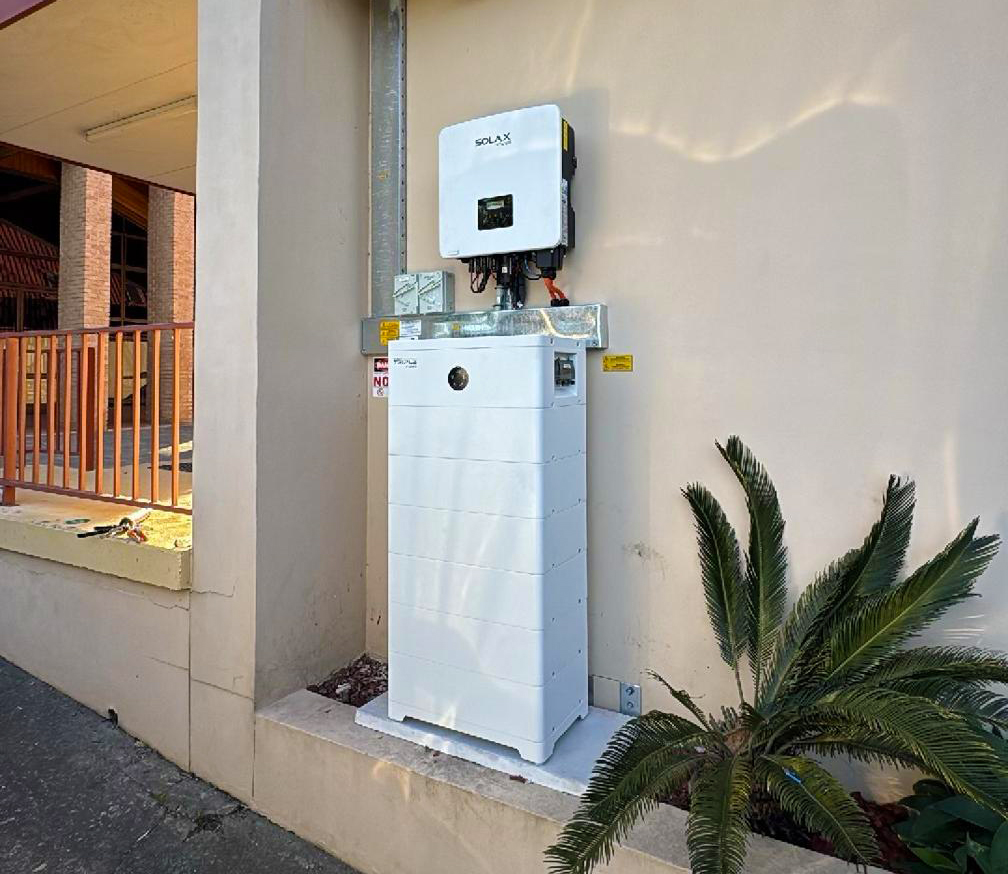
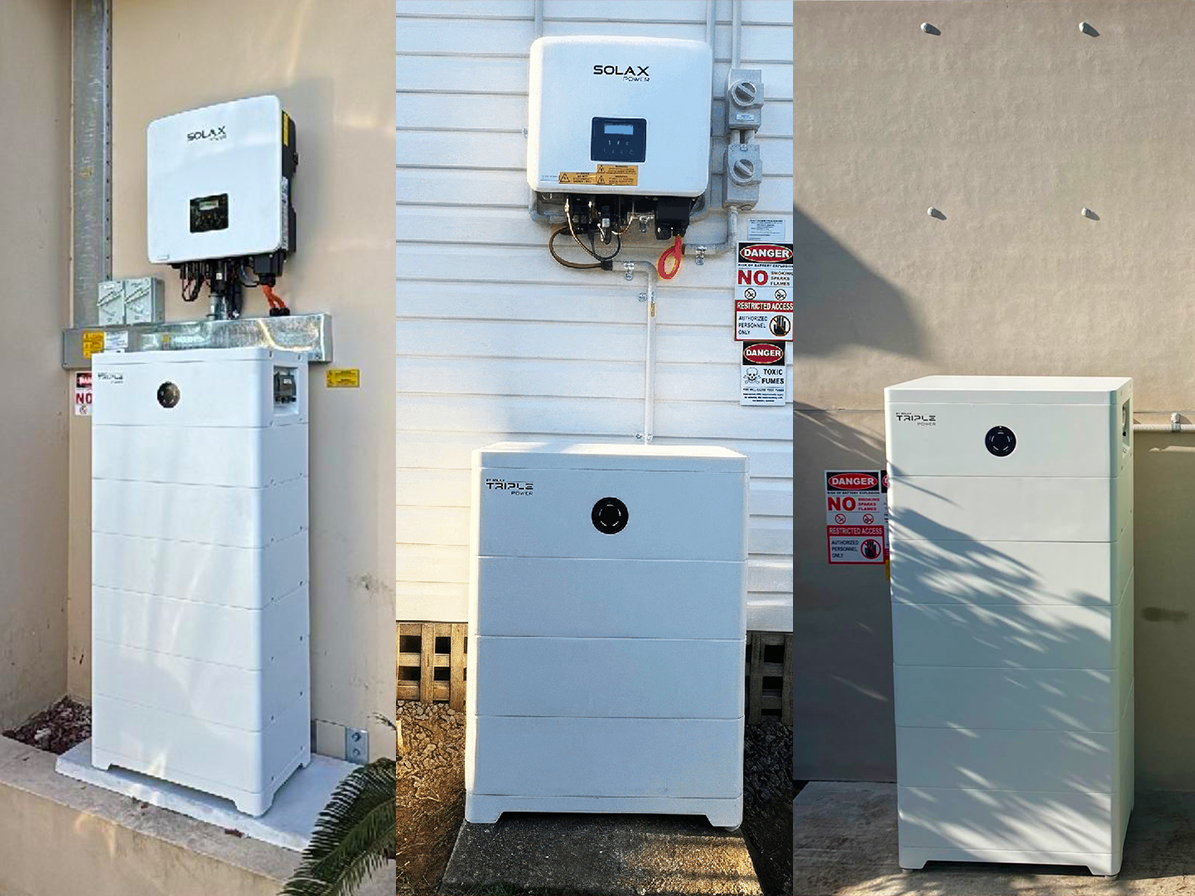
The SolaX Triple Power range offers modular storage, LFP battery technology and compatibility with SolaX hybrid inverters. These features make it worth considering when comparing home battery systems.

Here are 10 reasons to choose a SolaX Triple Power battery, along with the details to check before installation.

Flexible system sizes to suit your budget

Solax Triple Power Battery Sizes

The right battery should match your energy needs and your budget. Paying for more storage than you regularly use can add unnecessary upfront cost.

SolaX Triple Power’s modular design allows us to recommend different storage configurations. We assess your electricity use, solar generation and evening consumption to help you choose a suitable size.

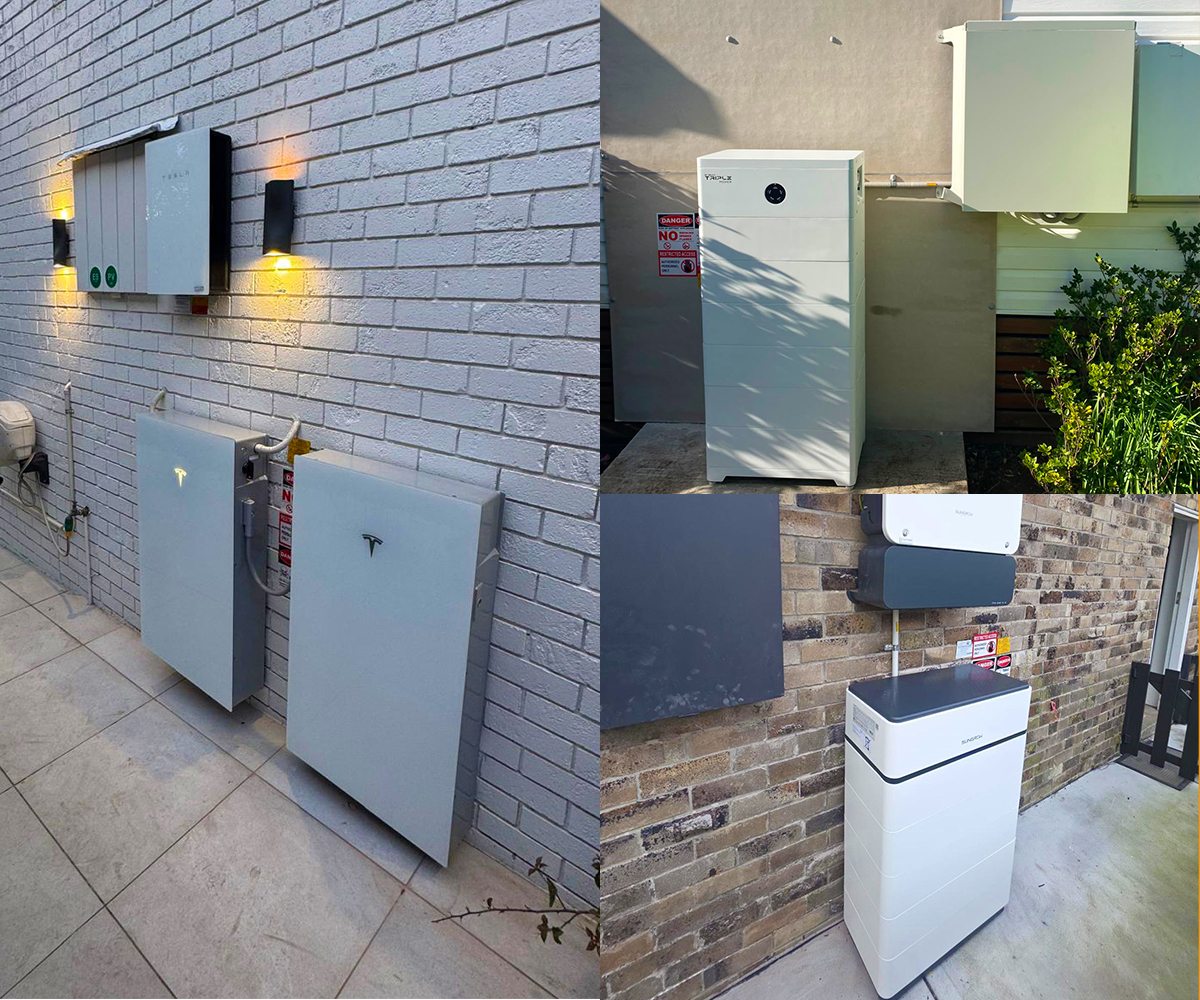
SolaX Triple Power uses 5.1kWh battery modules, with system configurations ranging from 10.2kWh up to 66.5kWh, depending on the compatible inverter and approved setup. This gives you flexibility to choose storage that suits your household, with options to expand as your needs grow.

A 10-year manufacturer warranty

A battery is a long-term purchase, so warranty coverage matters.

SolaX Triple Power batteries come with a 10-year manufacturer warranty, subject to the terms for the selected model. This provides a clear warranty period to consider when comparing battery options.

This gives us flexibility when sizing your SolaX battery. We can consider how much electricity you use, how much surplus solar is available and what you want the system to achieve.

When comparing options, we also explain the difference between nominal and usable capacity so you know how much stored energy is available.

LFP battery technology

Battery chemistry is an important consideration for homeowners comparing safety and durability.

SolaX Triple Power batteries use lithium iron phosphate, commonly known as LFP. This chemistry offers good thermal stability and is suited to repeated charging and discharging.

Safe performance depends on the complete installation. Correct equipment selection, a suitable location and professional commissioning all play an important role.

A 6,000-cycle rating for regular use

A home battery needs to handle regular charging and discharging.

The SolaX Triple Power specification lists 6,000 cycles at 90% depth of discharge and 25°C. This gives buyers a defined performance measure to consider alongside capacity, warranty and price.

Cycle life and warranty length describe different things. A cycle rating does not guarantee a fixed number of years of operation, as temperature, usage and operating conditions affect battery ageing.

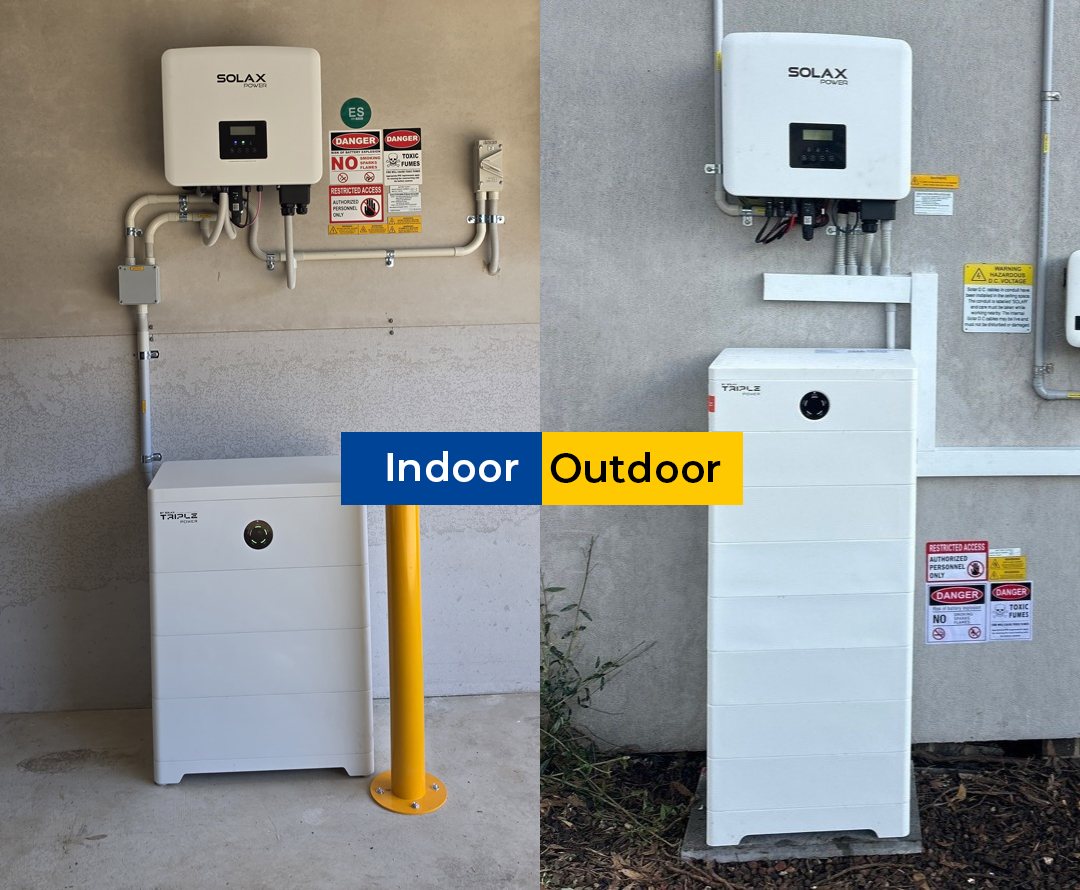
Indoor and outdoor installation options

Not every home has a suitable garage or utility area for a battery.

The SolaX Triple Power system offers IP65 protection and supports indoor or outdoor installation in a suitable location.

This gives us more flexibility when assessing your property. The final position must still meet manufacturer instructions and applicable installation requirements.

Compatible options for single-phase and three-phase homes

Your home’s electrical supply influences the battery system you need.

SolaX Triple Power batteries can work with compatible SolaX X1 single-phase and X3 three-phase hybrid inverters. This allows different system configurations for different properties.

Backup power is also available with a compatible inverter and appropriately designed installation.

If you already have solar, we assess your existing equipment and explain whether an inverter upgrade is required as part of your solar battery installation.

Installation and support from a recognised SolaX installer

Choosing the right solax battery installer helps you get a system suited to your home.

SolarBright was recognised as a SolaX Power Premium Installer Australia 2025. Our team can help with battery selection, system sizing, installation and guidance on using your new system.

We assess your property and existing equipment before recommending a configuration. We also explain the installation scope, monitoring setup and support arrangements.

What to check before buying a SolaX Triple Power battery

A detailed quote makes it easier to compare systems fairly. Before proceeding, make sure you understand:

  • Battery model and capacity: the exact equipment and usable storage included.
  • Inverter requirements: whether your existing inverter is compatible or needs replacing.
  • Total installed price: including GST and any additional electrical work.
  • Rebates and incentives: the deductions included and eligibility conditions.
  • Backup arrangements: which circuits are supported and any operating limits.
  • Warranty coverage: manufacturer terms and installation workmanship coverage.
  • Expansion options: how much additional storage your system may support.
  • After-installation support: who to contact for monitoring, servicing or warranty enquiries.

The best choice is a configuration that suits your household, with a clear price and installation scope.

Get a SolaX Triple Power battery quote

Considering a SolaX Triple Power battery for your home? We can help you compare storage sizes, understand warranty coverage and work out the installation requirements.

Request a free SolaX Triple Power battery consultation and get a clear quote for your home.

Roof Heat Bothering You?

Does your home become uncomfortable as the afternoon heats up? Perhaps the air conditioner is running, but your rooms still feel warm well into the evening.

Part of the problem could be above your ceiling.

During summer, your roof absorbs heat from the sun. As temperatures rise inside the roof cavity, that heat can transfer into your living areas and make it harder to keep your home comfortable.

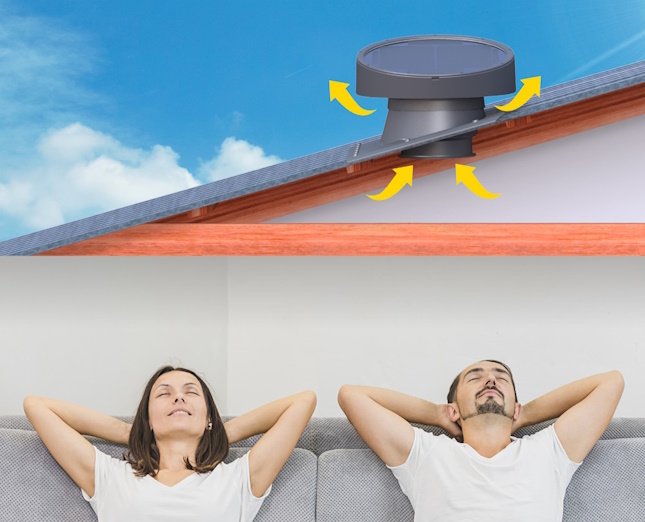
MaxBreeze solar roof ventilation helps address this problem by actively extracting trapped hot air from your roof space. With solar-powered operation, automatic thermostat control and options for ventilation after sunset, MaxBreeze offers a practical way to manage summer roof heat.

Why does heat build up inside your roof?

Your roof is exposed to direct sunlight for much of the day. As the roofing materials become hotter, the space beneath them also heats up.

When airflow is limited, hot air can accumulate inside the roof cavity. Heat can then transfer through the ceiling into the rooms below, particularly where insulation is inadequate.

This can contribute to rooms becoming warmer throughout the afternoon and remaining uncomfortable into the evening.

Roof ventilation systems help manage this build-up by moving air through the roof cavity. Effective ventilation needs both an outlet for hot air and suitable intake openings for replacement air.

How MaxBreeze solar roof ventilation helps reduce summer roof heat

MaxBreeze tackles heat where it builds up – inside your roof cavity.

Its solar-powered extraction fan draws hot air outside, helping improve airflow above your ceiling.

Here is how it can help your home during summer.

Actively extracts trapped hot air

Without adequate ventilation, your roof space can hold a substantial amount of heat during the day.

MaxBreeze uses a powered fan to extract this hot air through a roof-mounted vent. As air leaves, replacement air enters through suitable intake vents, helping move accumulated heat outside.

This creates an airflow path through the roof cavity, giving trapped heat a way out.

Helps reduce heat affecting the rooms below

A hot roof cavity can add to the heat entering your living areas. By helping reduce roof-space temperatures, MaxBreeze can support more comfortable conditions inside your home.

The difference will depend on your roof construction, insulation, existing airflow and local weather. Solar roof ventilation works best as part of a considered approach to home comfort, alongside suitable insulation and shading.

Helps ease the load on your air conditioner

When heat continues to enter through the ceiling, your air conditioner has more heat to remove.

MaxBreeze helps manage one source of that heat by ventilating the roof cavity. This can support your cooling system and may reduce cooling demand.

Actual electricity savings will vary with your home, the weather and how you use your air conditioner.

Uses the sun to help manage daytime roof heat

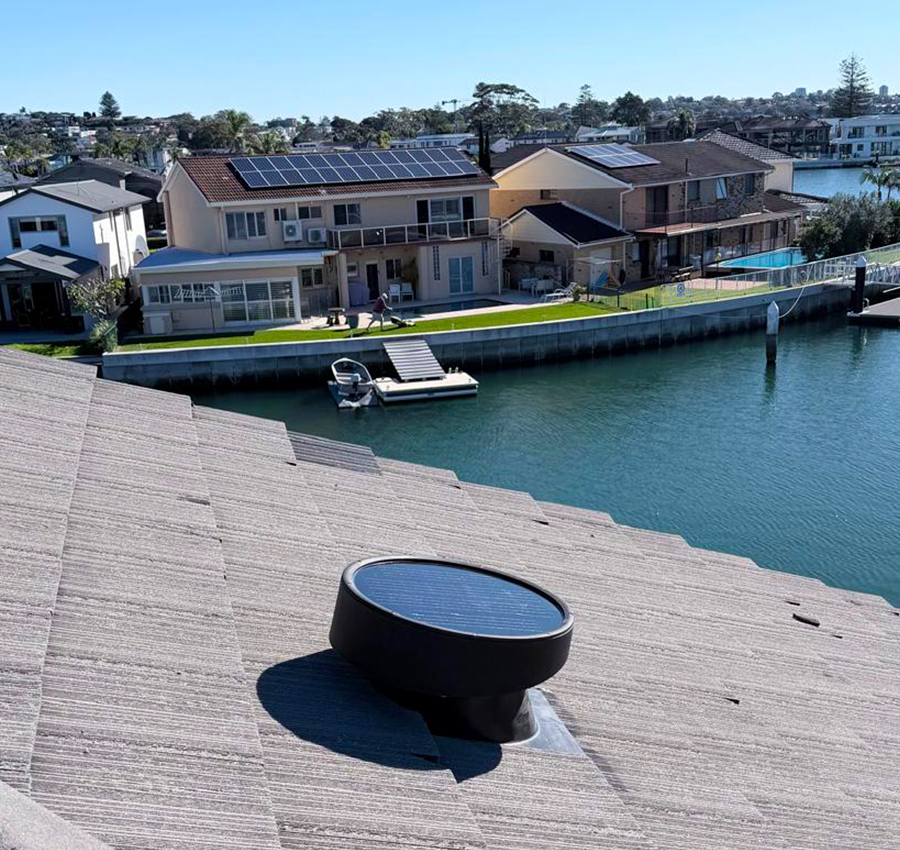
MaxBreeze has a dedicated solar panel that supplies electricity to its fan during daylight hours.

This allows the system to extract roof heat using solar energy, without drawing mains electricity for daytime solar operation. Performance depends on available sunlight and the system’s operating conditions.

Responds automatically as the roof warms up

MaxBreeze includes thermostat control, allowing the fan to operate when the roof cavity reaches its operating temperature.

This means you do not need to switch it on manually every hot day. Selected MaxBreeze Plus models also offer adjustable thermostat settings, fan speed and remote control for greater flexibility.

Offers options for ventilation after sunset

Your roof space may still need ventilation when daylight fades.

The MaxBreeze MB400 Zephyr includes a battery that stores solar energy for operation beyond daylight hours. Its evening operating time depends on available battery charge and operating conditions.

Selected other MaxBreeze models offer night operation using an AC power connection. These options are worth discussing if lingering evening heat is a concern.

Can MaxBreeze help with roof-space humidity?

Along with heat, humid air can accumulate inside a roof cavity. Improving airflow helps remove moisture-laden air and can reduce moisture build-up.

Selected MaxBreeze PLUS models include an adjustable humidistat, allowing the system to respond to elevated humidity as well as temperature.

Ventilation is one part of moisture management. Roof leaks, incorrectly discharged bathroom exhausts and other moisture sources also need to be identified and addressed.

Which MaxBreeze roof ventilation system suits your home?

The right system depends on more than the size of your house. Roof pitch, cavity layout, intake ventilation and operating hours all affect the selection.

The MaxBreeze range includes:

  • MB250: A compact option for residential roof spaces, with additional controls available on Plus models.
  • MB400: A larger-capacity option for homes and commercial properties, with compatible AC power options for extended operation.
  • MB400 Zephyr: A solar-and-battery option for ventilation beyond daylight hours.

Selected Plus versions provide additional features such as remote control, adjustable fan speed, thermostat settings and humidity control.

A roof assessment helps determine the appropriate model, number of units and installation positions. Larger or divided roof cavities may need more than one ventilator to achieve suitable airflow.

Why correct installation matters

Even well-designed roof ventilation systems need the right installation to perform effectively.

Your installer should consider solar panel exposure, fan placement, roof compatibility and the availability of replacement air. Without adequate intake ventilation, an extraction fan may struggle to move air through the roof space as intended.

SolarBright can assess these factors and recommend a MaxBreeze setup suited to your home, including any intake ventilation requirements.

Give trapped roof heat a way out this summer

Say goodbye to summer heat build-up. Contact SolarBright for expert advice on the best solar roof ventilation system for your home.

Are Solar and Battery Rebates Going Down in 2027?

If you’re in the market for a solar battery, solar system, or solar and battery package, you may have already heard the news: battery rebates are going down in 2027.

But what exactly is changing? How much could you potentially save by installing before 2027? And does waiting a few months really make that much difference?

Let’s break it down.

What’s changing in January 2027?

Under the Federal Government’s Cheaper Home Batteries Program, the STC factor used to calculate the battery discount will decrease from 6.8 to 5.7 on 1 January 2027.

It will then decrease again to 5.2 from 1 July 2027.

The current schedule is:

Installation period STC factor
May–December 2026 6.8
January–June 2027 5.7
July–December 2027 5.2

This means an eligible battery installed before the end of 2026 can generate more STCs than the same battery installed in 2027.

Rebates can get confusing. That’s why we’re here.

Our team can explain the current rebates, upcoming changes and help you choose the right solar and battery system for your home.

Book Your Free Consultation

Tesla Powerwall 3 rebate example

To put the difference into perspective, let’s use a 13.5 kWh Tesla Powerwall 3 as an example.

Because its 13.5 kWh usable capacity falls within the first rebate tier, the full STC factor applies.

The approximate number of STCs generated would be:

  1. Installed in 2026: 13.5 × 6.8 = 91 STCs
  2. January–June 2027: 13.5 × 5.7 = 76 STCs
  3. July–December 2027: 13.5 × 5.2 = 70 STCs

The final number of certificates is rounded down to the nearest whole STC.

How much could you save by installing before 2027?

Using an indicative STC value of $43.65, a Tesla Powerwall 3 could currently receive an estimated federal battery discount of around:

91 STCs × $43.65 = $3,972.15

From January 2027, the same 13.5 kWh battery would generate approximately:

76 STCs × $43.65 = $3,317.40

That’s a difference of approximately $654.75 simply based on the change in the STC factor.

Keep in mind that STC market values can change, so these figures should be treated as an estimate rather than a guaranteed rebate amount.

You can calculate your estimated savings using our Federal Government Battery Rebate Calculator.

Bigger batteries could see a bigger difference

The example above is based on a single 13.5 kWh Tesla Powerwall 3.

For larger battery systems, the dollar difference between installing in 2026 and waiting until 2027 can potentially be greater.

However, since May 2026, the Federal Government battery discount has been calculated using three capacity tiers:

  • The first 14 kWh receives 100% of the applicable STC factor.
  • Capacity above 14 kWh and up to 28 kWh receives 60%.
  • Capacity above 28 kWh and up to 50 kWh receives 15%.

This means the rebate does not simply increase at the same rate for every additional kilowatt-hour of battery capacity.

For an accurate estimate based on the size of battery you’re considering, use our Federal Government Battery Rebate Calculator.

What about solar panel rebates?

Solar panel rebates are also delivered through the Small-scale Renewable Energy Scheme (SRES), although the calculation is different from the Federal Government battery rebate.

The number and value of STCs available for eligible solar installations reduces over time as the scheme moves towards its scheduled end.

If you’re considering installing solar, you can estimate the available incentive using our Solar Panel Rebate STC Calculator.

Planning a solar and battery package?

The difference can become even more important if you’re planning to install solar and battery packages.

Instead of looking at the battery rebate in isolation, it’s worth considering the overall cost of your solar panels, battery, inverter, installation and the incentives available at the time your system is installed.

You can view our latest solar and battery packages or request a quote from SolarBright to see which system best suits your home and energy usage.

How long does the installation process take?

As a general guide, the process from your initial enquiry through to installation can take around 4–6 weeks.

The exact timeframe can vary depending on factors such as:

  • system and battery availability
  • your property and roof layout
  • switchboard requirements
  • battery installation location
  • system design and approvals
  • installer availability

This is important because the battery rebate is determined by the STC factor applicable when the eligible battery is installed, not simply when you request a quote.

Don’t leave it until the last minute

At the time of writing, there are only a few months remaining until the end of 2026.

If you’re already considering installing a solar battery or upgrading to a solar and battery package, it may be worth getting started sooner rather than waiting until December.

Talk to the SolarBright team today for an obligation-free quote and find out how much you could save by installing before the next battery rebate reduction.