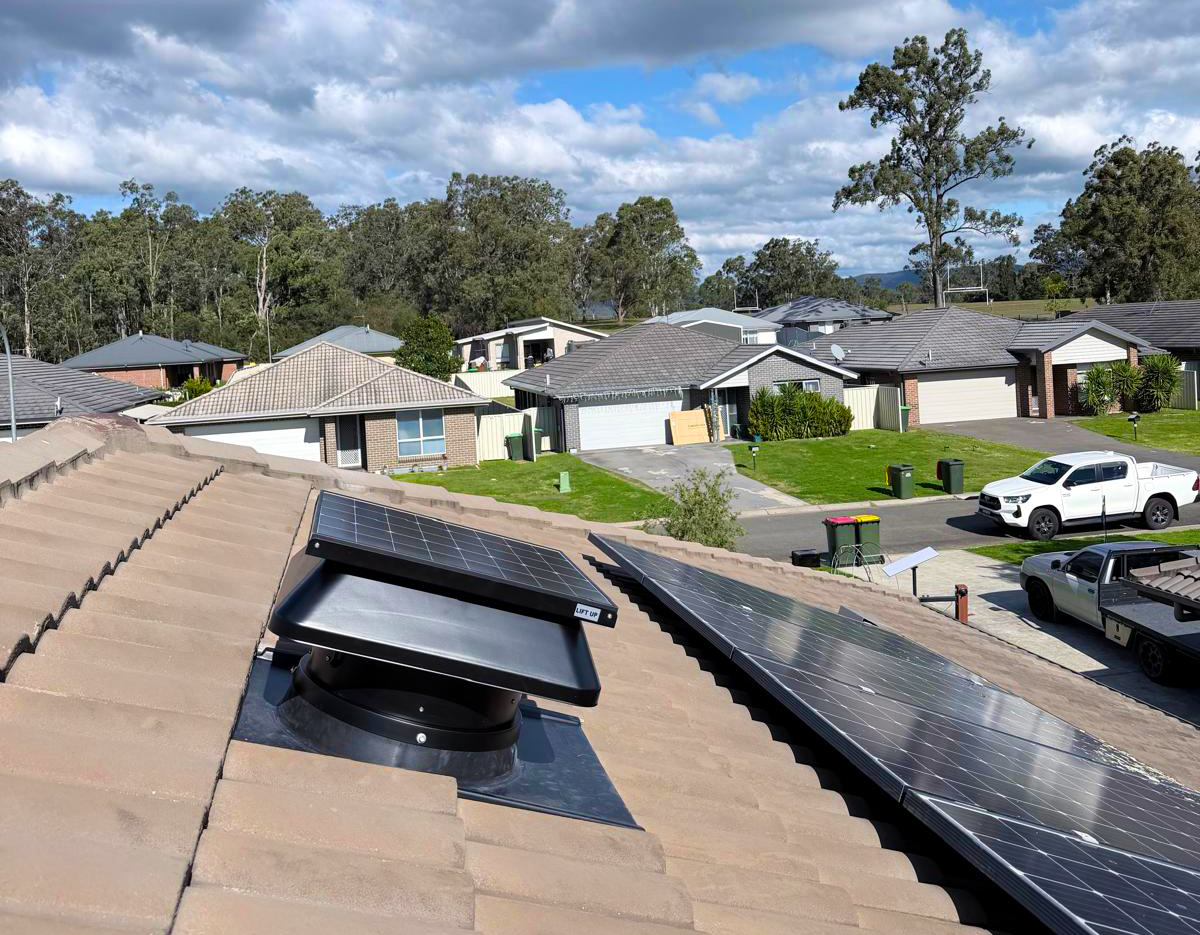
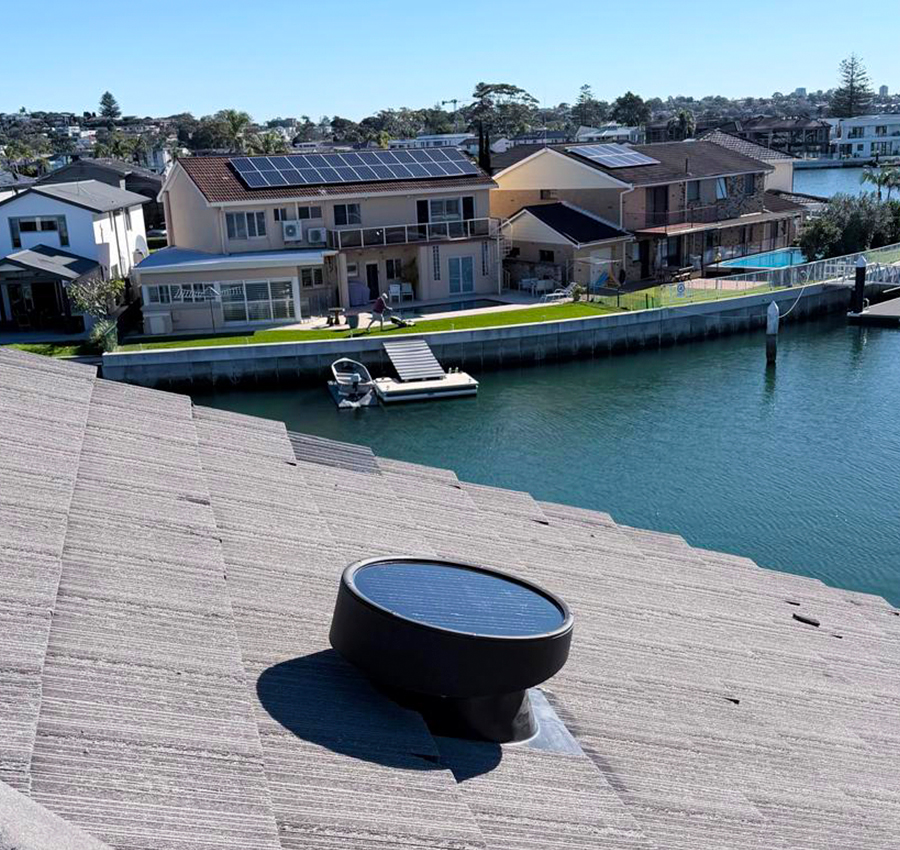
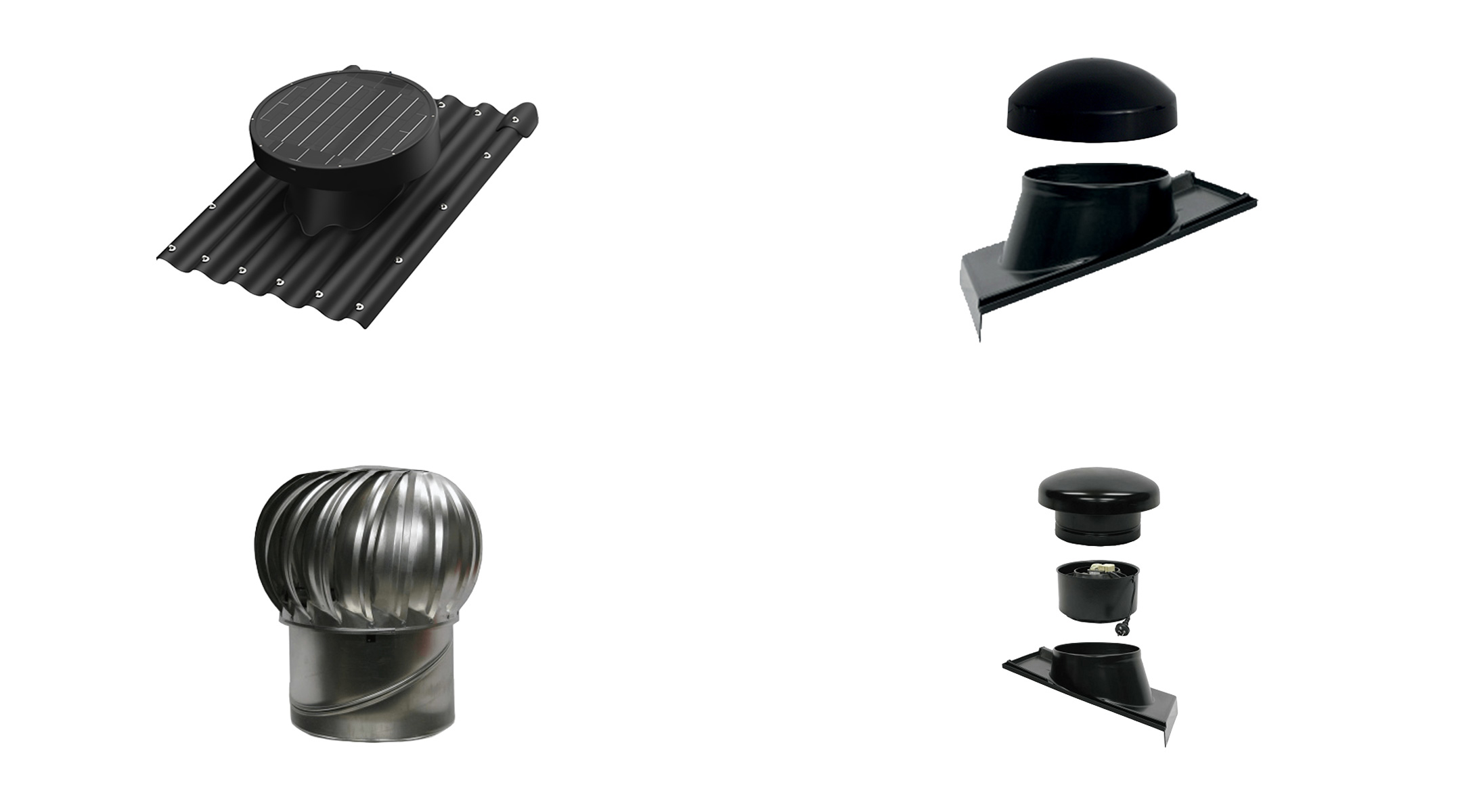
Looking for solar roof ventilation for your Australian home?
Choosing the right solar roof ventilation system involves more than comparing prices. Australian roofs are exposed to scorching heat, heavy rain, strong winds and hail. Your roof ventilation system must be designed to perform reliably in these demanding conditions.
Does the manufacturer have an Australian presence? Do they understand Australian homes, roofing materials and weather conditions?
Local knowledge can influence everything from the system’s design and materials to the flashing and ventilation capacity.
This is why choosing a reasonably priced, purpose-built product is often better than buying the cheapest system available.
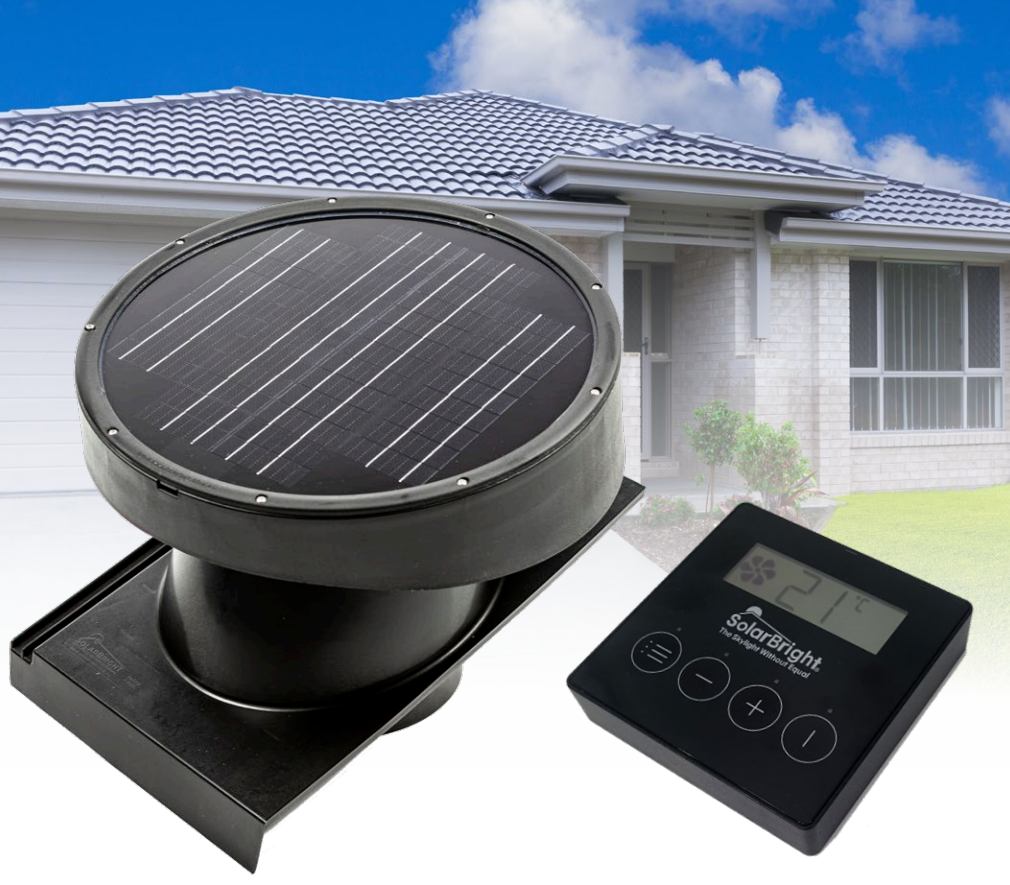
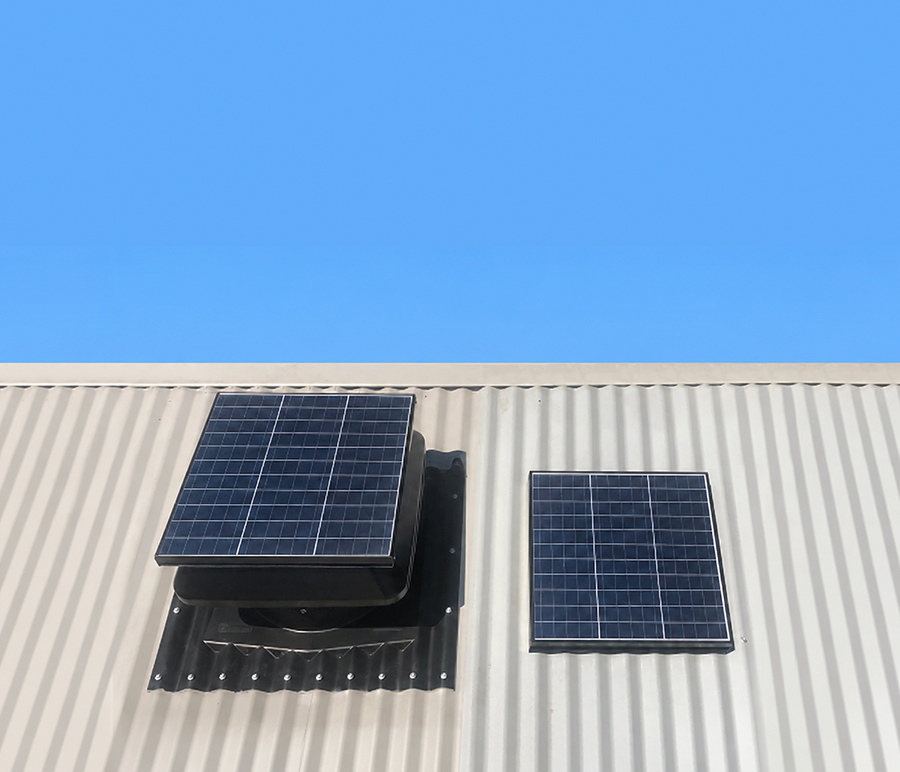
SolarBright’s MaxBreeze solar roof ventilation systems are designed in Australia for Australian conditions. This makes them a practical choice for local homes and commercial properties.
Thermostat control
A thermostat helps prevent the roof ventilator from operating when ventilation is not required.
Before purchasing a system, ask:
Can the operating temperature be adjusted?
Can the system automatically turn on at a selected temperature?
Is remote control available?
Can it detect moisture or humidity?
MaxBreeze systems include automatic thermostat control. For additional convenience, selected models can be upgraded to the MaxBreeze PLUS controller, which offers remote operation and additional control features.
Flashing designed for your roof
Correct flashing is essential for a secure and weatherproof installation.
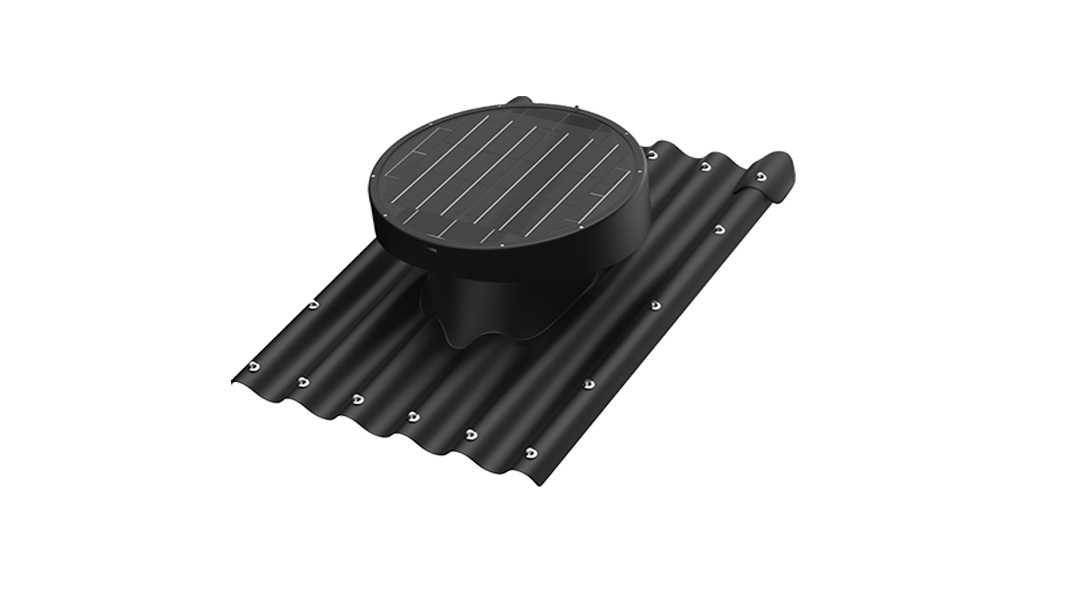
Avoid products that use a basic one-size-fits-all flashing system. The flashing should be suitable for your specific roof type, whether you have a tiled, metal or other common Australian roof.
The MaxBreeze range can be installed with flashing suited to different roof types. Its leak-proof design helps protect your home during heavy rain and other adverse weather conditions.
Product options and upgrades
A reputable manufacturer should offer different models for different roof sizes, property types and budgets.
SolarBright’s MaxBreeze range includes:
MB250: Designed for residential roof spaces.
MB400: Suitable for larger residential and commercial applications.
MB400 Zephyr: Provides day and night roof ventilation.
Each model can also be upgraded to the PLUS version for remote control, humidity detection and moisture management.
Having multiple options makes it easier to select a ventilation system that suits your roof space and performance requirements.
Day and night operation
Standard solar roof ventilators generally operate when sufficient sunlight is available.
For homeowners who want continued ventilation after sunset, a day and night system may be a better option.
The MaxBreeze MB400 Zephyr is designed to operate during the day and continue ventilating the roof space at night.
Product warranties
A strong warranty provides peace of mind and demonstrates the manufacturer’s confidence in its product.
Always check the warranty coverage for the motor, solar panel, controller and other major components.
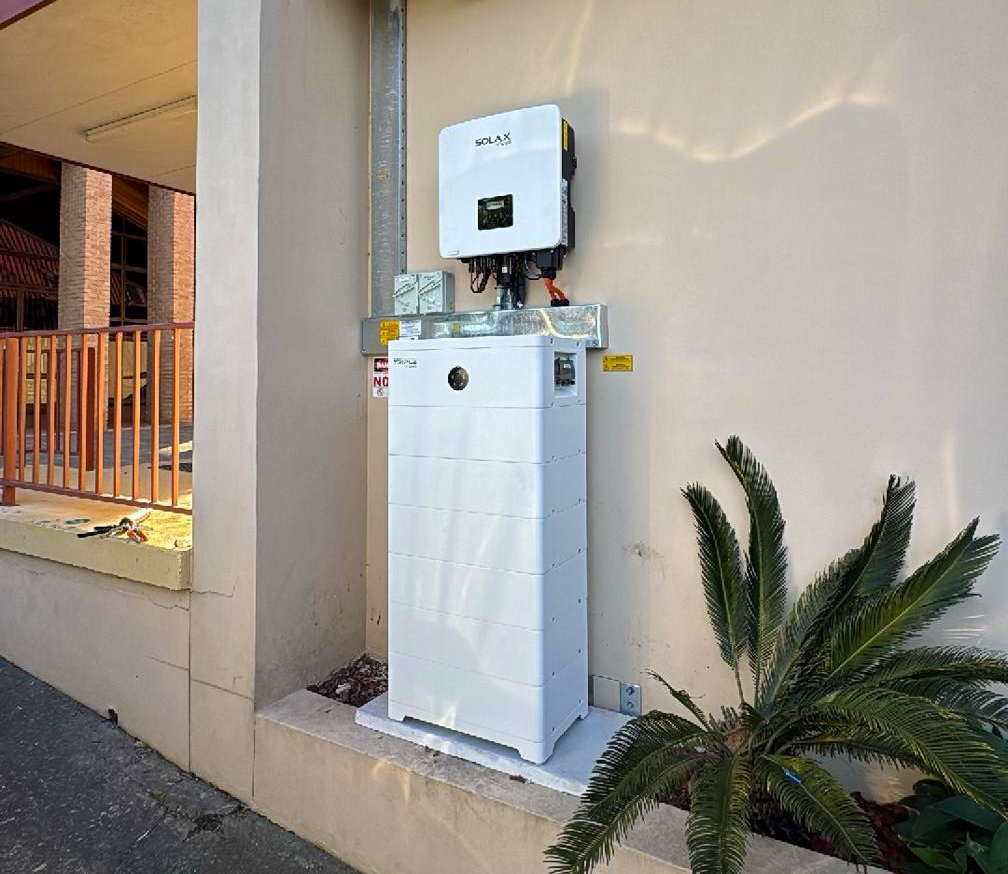
SolaX has been producing solar inverters and energy storage solutions since 2012 and has built a strong reputation in Australia. The brand is known for scalable battery systems that offer a competitive balance of price, storage capacity and performance.
However, finding the best SolaX battery deal involves more than choosing the lowest advertised price. You need to compare rebates, system sizes, installation inclusions, finance options and the support available after installation.
The reputation of your solar battery installer matters just as much as the battery you choose.
Tips to find the best SolaX battery deals
The best deal is not necessarily the system with the lowest upfront price. It should provide the right battery capacity, installation quality and long-term value for your home.
Here are a few tips to help you find the best SolaX battery deal for your home:
Check your federal battery rebate
Eligible Australian households and small businesses can receive a discount through the Australian Government’s Cheaper Home Batteries Program.
Your installer’s responsibility should not end once the battery has been commissioned.
A solar battery is a long-term investment, so ask what assistance will be available if you experience a monitoring issue, inverter fault, battery error or warranty problem.
Before choosing an installer, confirm:
Who will handle warranty claims
Whether the company has a local service team
How technical problems are reported
Whether monitoring assistance is included
How long the installer has been operating
Whether the company has experience with SolaX products
Is there anything else I need to know?
NSW residential solar and battery installations costing $20,000 or more, including labour and materials, may require cover under the Home Building Compensation Fund.
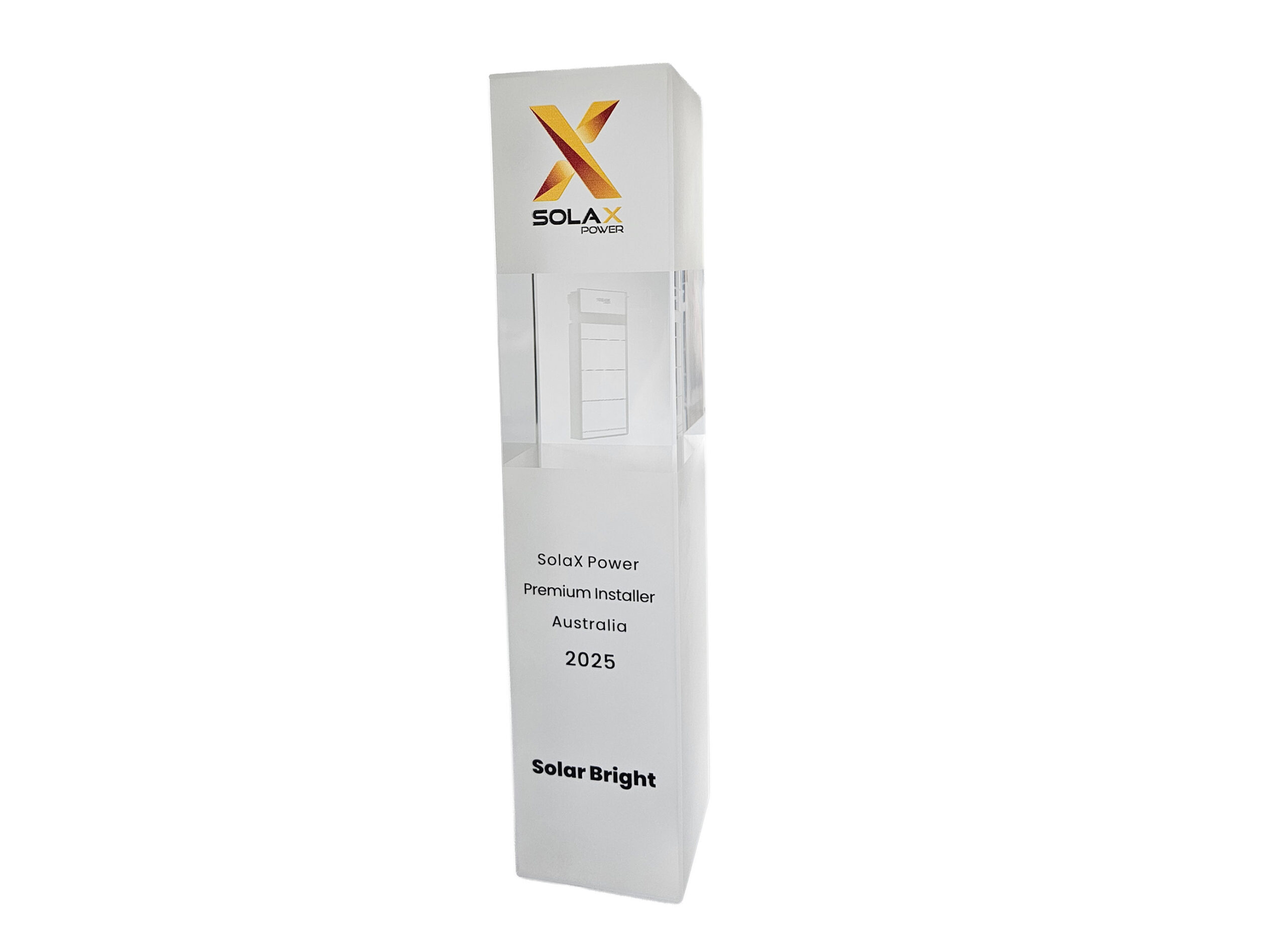
This recognition reflects SolarBright’s installation performance, technical knowledge, compliance standards and experience with SolaX battery and hybrid inverter systems.
Our team can assist with the paperwork for eligible solar loans, rebates and Home Building Compensation Fund insurance, making the installation process easier from start to finish.
With local facilities and showrooms in NSW, you can rely on experienced support before, during and after installation.
Get in touch
Looking for the best SolaX battery deals in Sydney or NSW?
Book a free consultation to find the right SolaX battery or solar and battery package for your home.
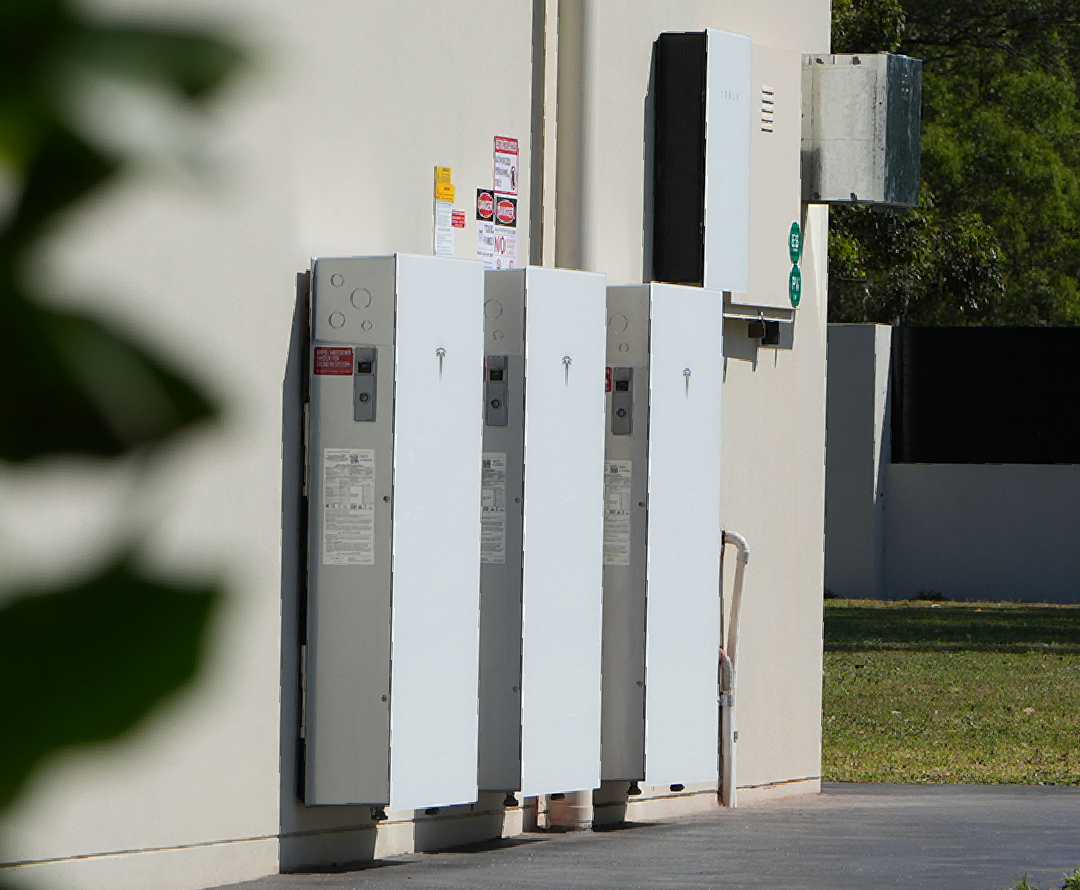
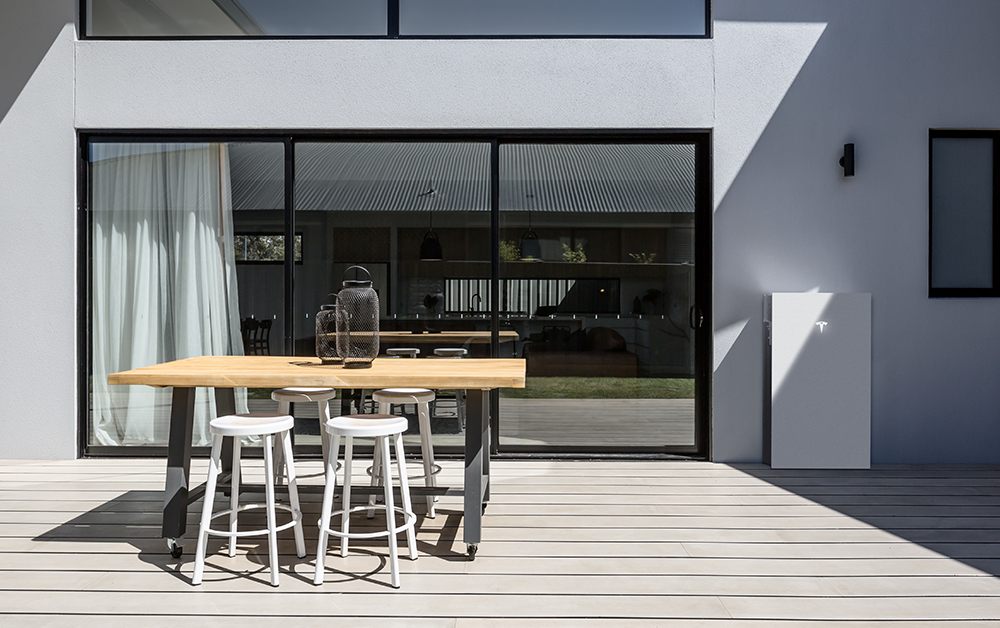
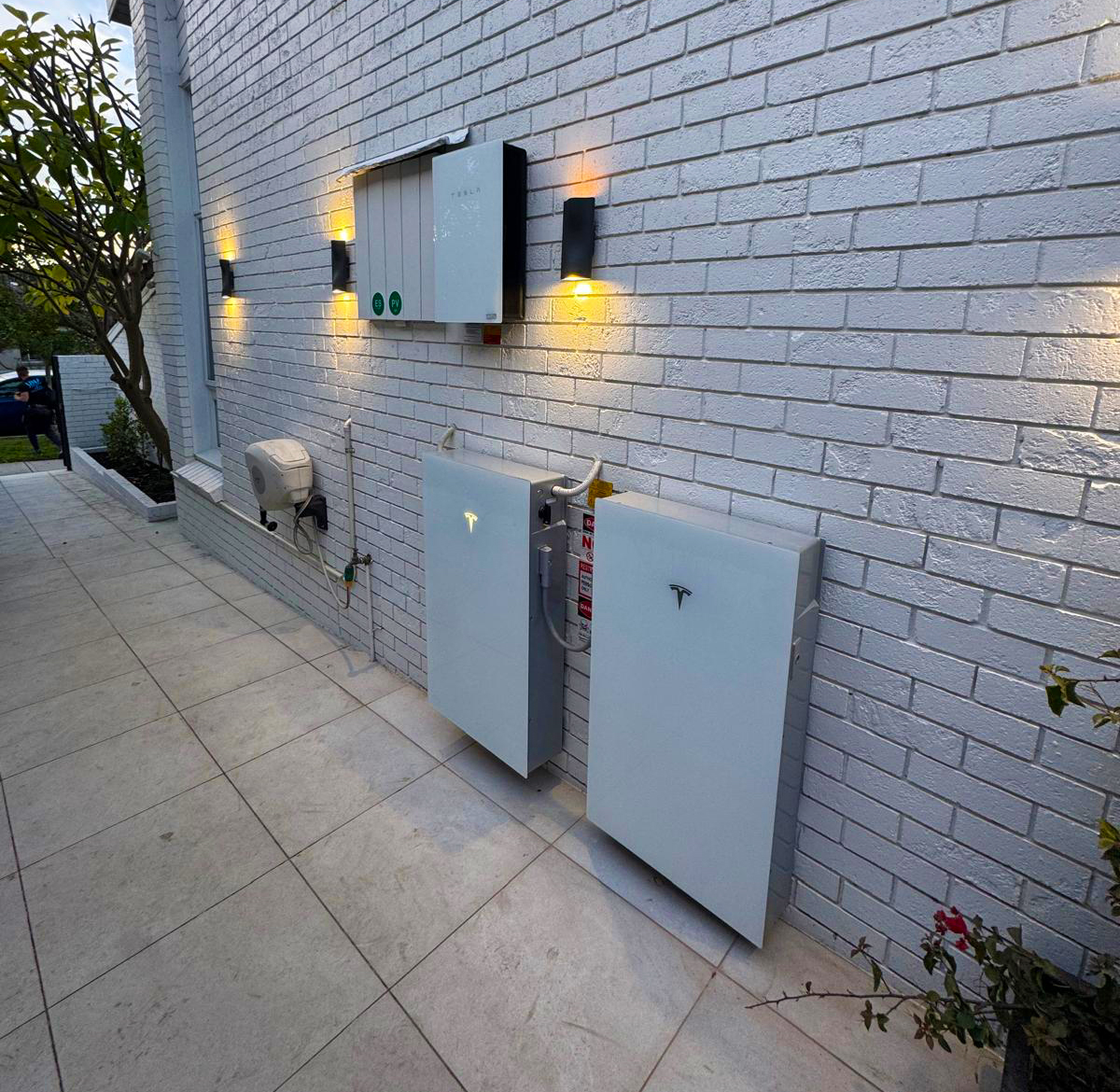
Tesla Powerwall 3 is one of Australia’s most popular solar batteries and a fully integrated home battery that helps households store more solar energy, reduce grid use and stay powered during blackouts.
It combines 13.5kWh of usable storage, a built-in solar inverter, strong power output and easy energy management through the Tesla app.
Here are the top ten reasons to consider Tesla Powerwall 3 for your Australian home.
1. Tesla’s established presence in Australia
Tesla has operated in Australia since 2010 and supports local customers through Australian product documentation, warranty services, technical assistance and an established network of Tesla Certified Installers.
This strong local presence gives homeowners greater confidence in installation quality, ongoing support and long-term access to Tesla’s energy platform, software updates and service network.
2. Whole-home backup
Powerwall 3 can be configured to provide whole-home or partial-home backup during a grid outage.
When a blackout occurs, the system safely disconnects your home from the grid and begins supplying stored battery energy. Depending on the system design, this can keep your lights, refrigerator, internet, power points, air conditioning and other important appliances operating.
3. High continuous power output
Powerwall 3 can provide up to 11.04kW of continuous AC power, depending on the model and approved system configuration.
This high output allows more appliances to operate at the same time compared with many lower-powered home batteries. It also offers strong motor-start capability for appliances such as air conditioners, refrigerators and pumps.
This makes Powerwall 3 particularly suitable for larger Australian homes and households with higher electricity demand.
4. Integrated solar inverter
Powerwall 3 includes a built-in solar inverter, allowing compatible solar panels to connect directly to the system.
For homeowners installing new solar and battery package together, this can reduce the need for a separate external inverter. It creates a more streamlined system with fewer individual components installed around your property.
5. Expandable battery storage
One Powerwall 3 provides 13.5kWh of usable battery storage.
Your system can be expanded later if your energy requirements increase. Each Powerwall 3 Expansion Pack adds another 13.5kWh of usable storage.
Up to three Expansion Packs can be added to one main Powerwall 3, providing up to 54kWh of total storage. This provides greater flexibility for households adding an electric vehicle, pool, more air conditioning or other high-energy appliances.
6. Easy control through the Tesla app
The Tesla app gives you a clear view of how electricity is moving through your home.
You can monitor your solar generation, household consumption, battery charge level and electricity imported from or exported to the grid.
7. Supports up to 20kW of solar input
Powerwall 3 supports up to 20kW DC of solar input, making it suitable for Australian homes requiring a larger solar system.
It also includes three Maximum Power Point Trackers. These provide more flexibility when solar panels need to be installed across different roof sections or orientations.
The final solar capacity will depend on your roof space, electricity consumption, local network requirements and system design.
8. Designed for long service life
Tesla Powerwall 3 is designed for daily solar energy storage and is supported by a 10-year Tesla warranty, subject to Tesla’s applicable warranty terms.
9. Storm Watch protection
Australian homes can experience blackouts caused by thunderstorms, strong winds, bushfires and electricity network faults.
Tesla’s Storm Watch feature helps Powerwall prepare when severe weather is forecast. The battery can prioritise charging so more stored energy is available if the grid goes down.
10. Weather-resistant outdoor design
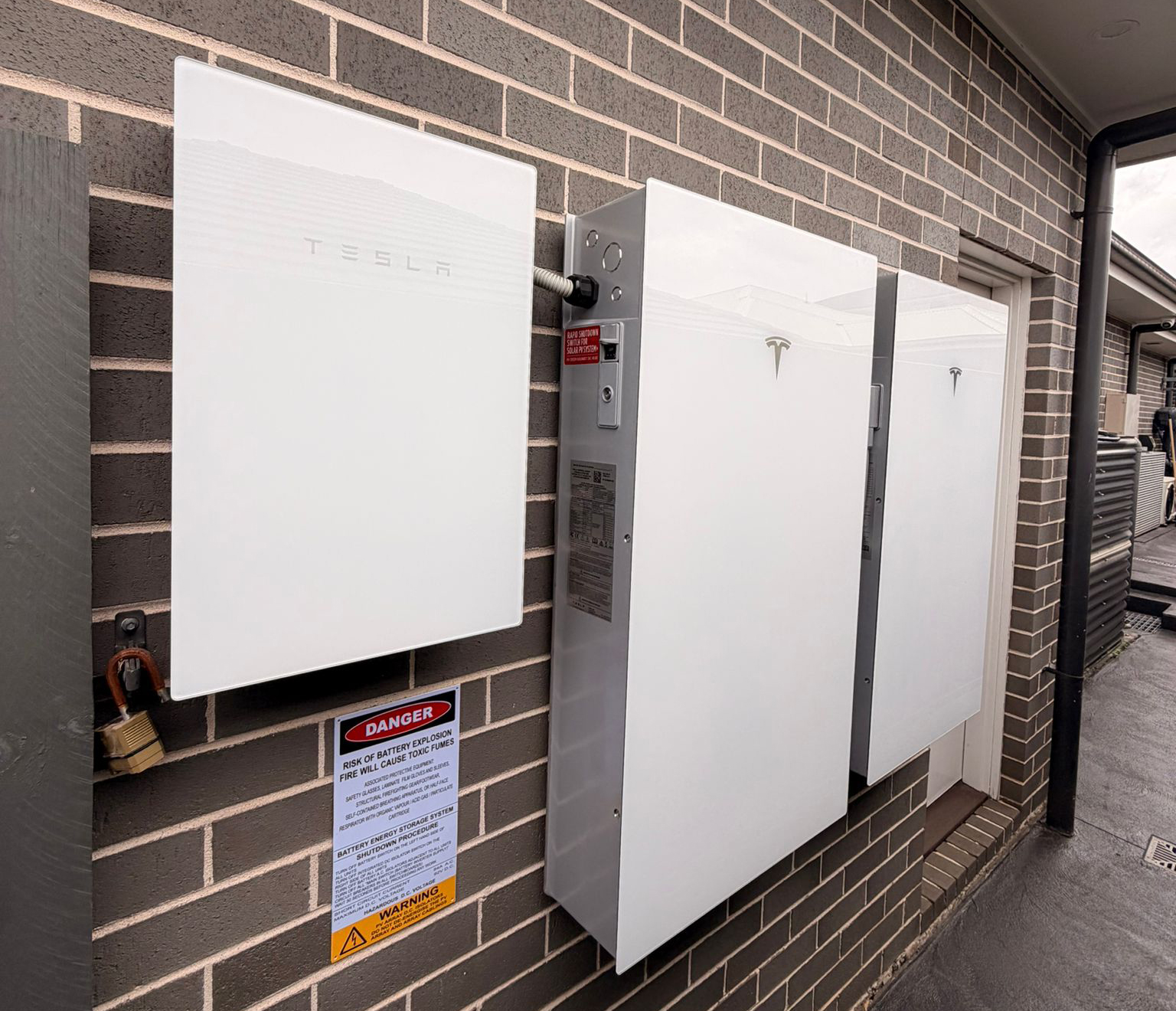
Powerwall 3 is suitable for indoor and outdoor installation, providing more flexibility when choosing a location around your home.
Its battery and power electronics have an IP67 rating, while the wiring compartment is rated IP55. It is designed to operate in temperatures ranging from -20°C to 50°C, although output may be reduced during extreme heat.
SolarBright and Tesla Powerwall 3
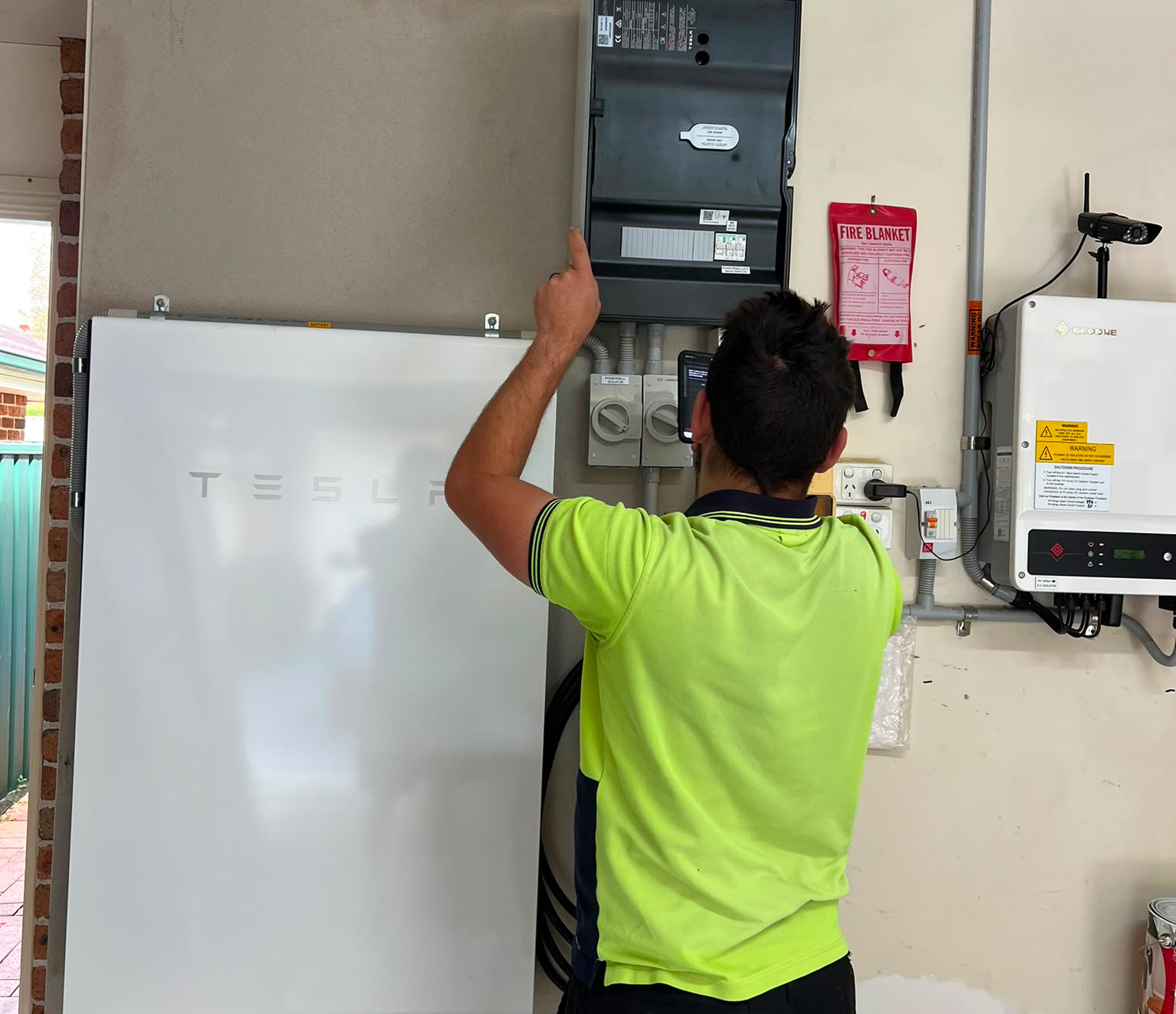
SolarBright is a Tesla Powerwall Premium Certified Installer. This recognition reflects our installation quality, technical capability and experience delivering Tesla battery systems across Sydney and NSW.
SolarBright is also an Australian family-owned business operating since 2008. We provide local support throughout the process, from system design and installation to Tesla app setup, monitoring assistance and warranty support.
Explore SolarBright’s current Tesla packages
SolarBright currently offers several Powerwall 3 options for Australian homeowners.
Our Tesla 27kWh Solar Battery Deal combines one Powerwall 3 with an Expansion Pack, providing 27kWh of usable battery storage.
Our Energy Independence Package combines Tesla Powerwall 3 with a 13.2kW solar system and 30 premium 475W all-black dual-glass solar panels.
SolarBright can also create a tailored package with Powerwall 3 only, a new solar system or additional Expansion Packs based on your home’s energy use, roof space and budget.
Book a free consultation to explore the right Tesla Powerwall 3 package for your home and take the next step towards greater energy independence.
In most homes, a standard MaxLight tubular skylight installation can be completed in approximately two hours. This timeframe applies after the initial quote, roof assessment and pre-installation inspection have been completed.
Installation times can vary depending on the roof type, ceiling height, access and the distance between the roof and ceiling. However, most straightforward installations can be completed during a single visit with minimal disruption to your home.
In this guide, we explain what happens on installation day when one of our professional skylight installers arrives at your property.
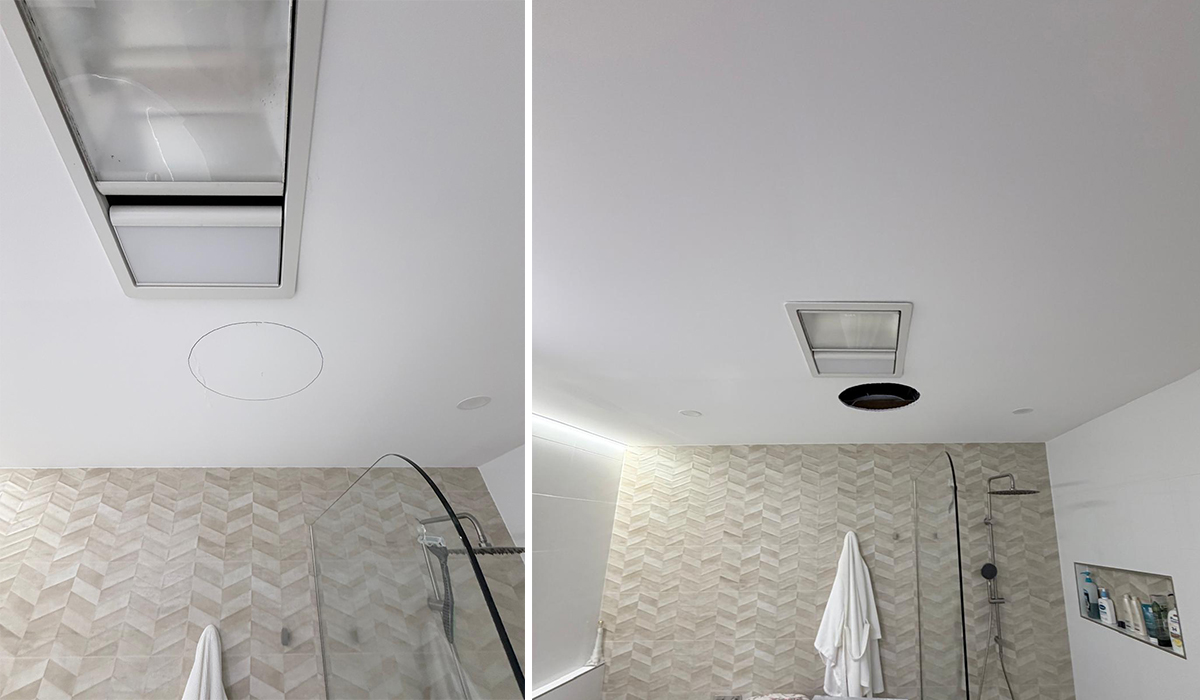
Our skylight installer begins by confirming the best position for the skylight inside the room.
Once the location has been checked from both the ceiling and roof space, a carefully measured opening is cut into the ceiling. This opening is where the MaxLight diffuser will eventually be installed.
Step 2: Install the roof flashing and skylight dome
The next step is to prepare the roof opening.
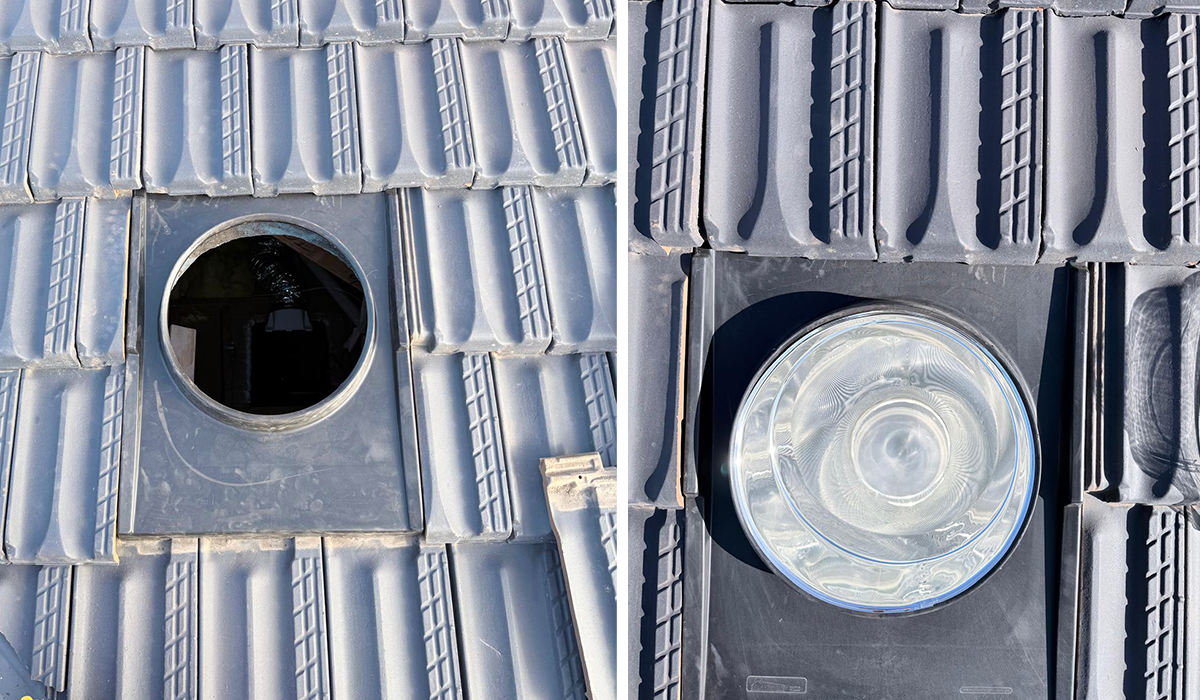
The installer cuts an opening in the roof and fits the MaxLight roof flashing. The flashing creates a secure and weather-resistant connection between the tubular skylight and your roof.
The skylight dome is then installed above the flashing. This rooftop component captures sunlight throughout the day and directs it into the reflective tube.
Correct flashing installation is essential for creating a neat, secure and leak-resistant finish.
Step 3: Install the reflective tube
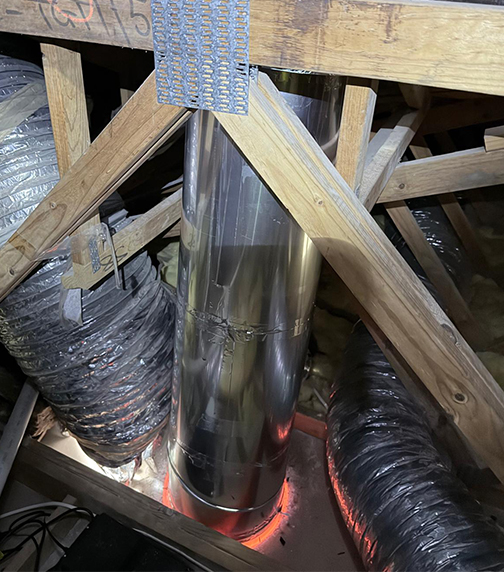
A highly reflective tube is installed between the rooftop dome and the ceiling opening.
This tube transfers natural daylight from the roof into the room below. The installer may adjust or angle the tube to work around roof structures and create the most direct light path possible.
The tube sections are then securely connected and sealed to help maximise light transfer and prevent dust from entering the system.
Step 4: Install the skylight diffuser
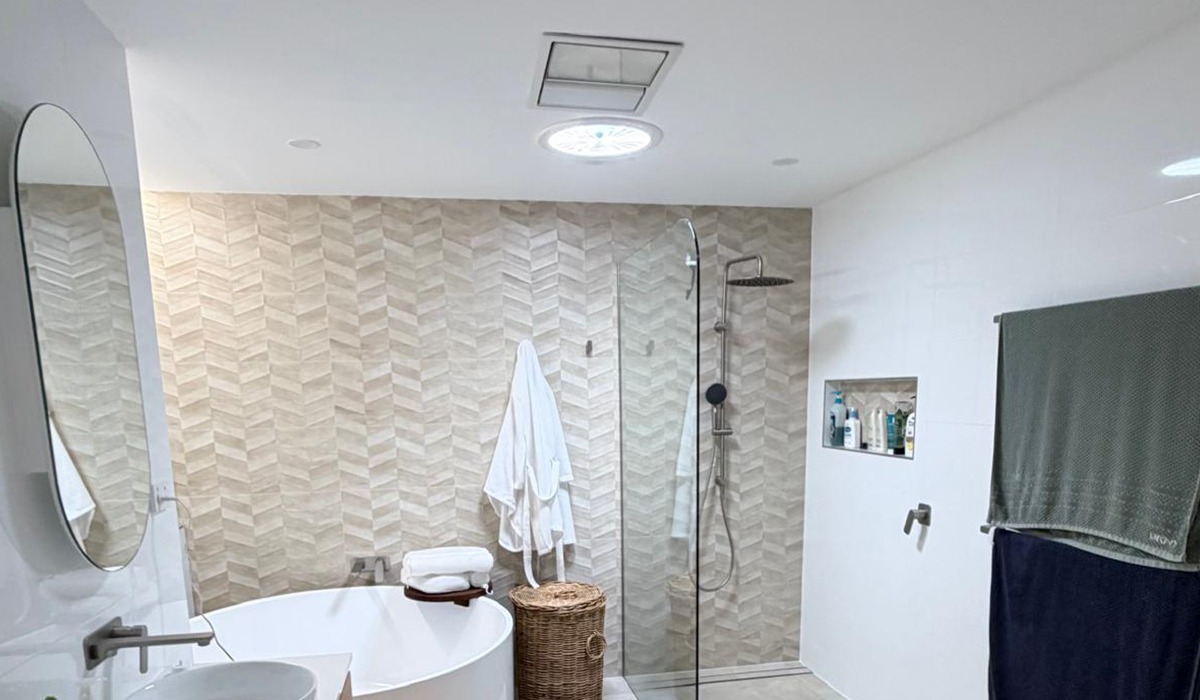
Once the tube is securely in place, the skylight diffuser is installed.
The diffuser spreads the captured daylight evenly throughout the room, helping create a bright and comfortable indoor environment without harsh glare.
The installer will make sure the diffuser sits neatly against the ceiling and provides a clean, professional finish.
Step 5: Complete the final inspection and handover
After installation, the installer performs a final inspection of the roof flashing, reflective tube and ceiling diffuser.
The work area is cleaned, and the completed MaxLight tubular skylight is shown to you. The installer can also explain how the system works and answer any questions you may have.
Can tubular skylight installation take longer than two hours?
While many MaxLight installations take around two hours, some properties may require additional time.
Installation may take longer when:
The roof space is difficult to access.
The ceiling is unusually high.
The roof and ceiling openings are not directly aligned.
Additional tube sections or bends are required.
The property has a complex or uncommon roof type.
Structural obstructions need to be avoided.
A pre-installation inspection allows the installer to identify these factors and provide a more accurate timeframe before work begins.
A hot roof space can make your home feel warmer, especially during the Australian summer. Heat can build up inside the roof cavity throughout the day and continue radiating into the rooms below, even after the outdoor temperature starts to drop.
Solar roof ventilation provides a practical way to improve airflow through the roof space. It uses solar energy to remove hot, trapped air and replace it with cooler outside air.
What is a roof ventilation system?
A roof ventilation system is designed to improve airflow inside the roof cavity. It helps remove excess heat, stale air and moisture that may otherwise remain trapped beneath the roof.
Common roof ventilation systems include whirlybirds, powered roof vents and solar roof ventilators. While each system works differently, their main purpose is to create better airflow and help regulate conditions inside the roof space.
What is solar roof ventilation?
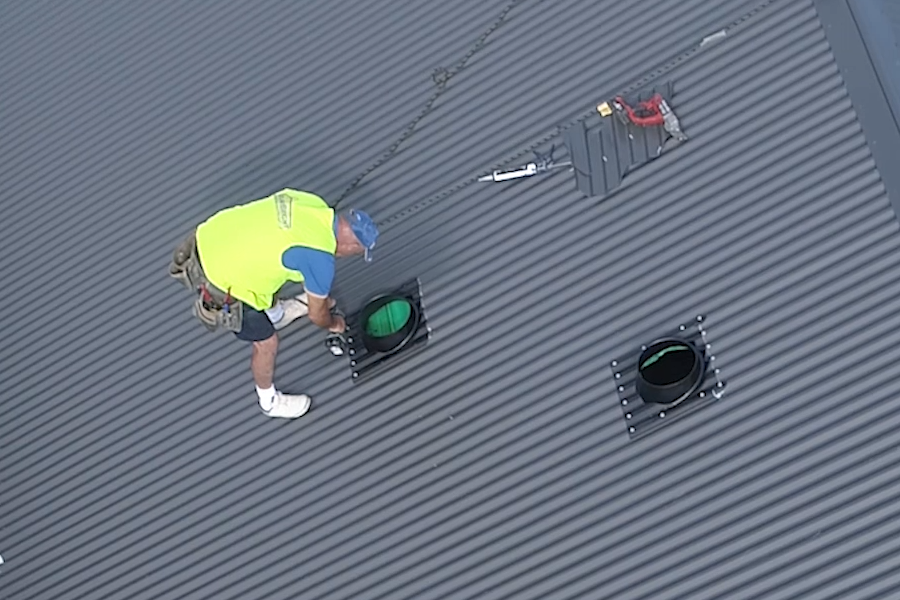
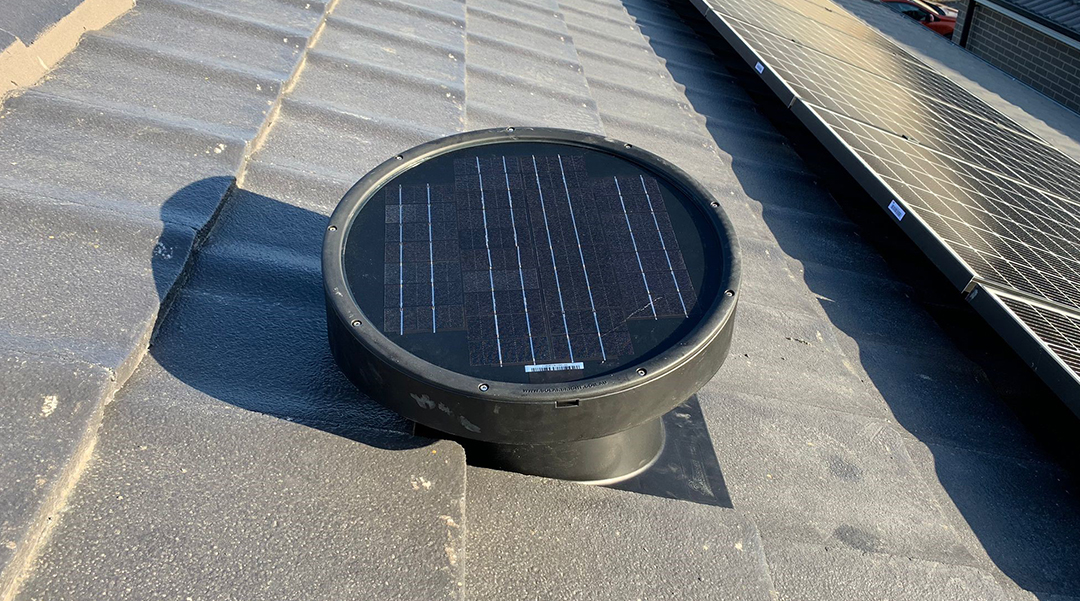
Solar roof ventilation uses a roof-mounted solar panel to power an electric ventilation fan. When sunlight reaches the solar panel, the fan draws hot air out of the roof cavity.
This continuous movement of air can help reduce excessive heat build-up and improve ventilation throughout the roof space.
Unlike traditional passive vents, a solar-powered system actively extracts air. This can provide stronger and more consistent airflow when the sun is shining and the roof space is likely to be at its hottest.
How does solar roof ventilation work?
A solar roof ventilator is generally installed near the upper section of the roof, where hot air naturally collects.
The system works in three simple stages:
Sunlight powers the roof-mounted solar panel.
The solar panel supplies energy to the ventilation fan.
The fan extracts hot, stale air from the roof cavity while replacement air enters through existing vents and openings.
Top 5 reasons to choose solar roof ventilation
Solar roof ventilation offers a simple and energy-efficient way to improve airflow, reduce trapped heat and better manage moisture inside your roof space. Here are five key reasons why it can be a smart addition to your home.
Helps remove trapped roof heat
Roof cavities can become extremely hot during sunny weather. Solar roof ventilation helps extract this trapped air before it continues transferring heat into the living areas below.
Uses free solar energy
The ventilator is powered by sunlight during the day, when roof temperatures are usually at their highest. This allows the system to operate without adding normal daytime electricity costs.
Improves roof-space airflow
Consistent airflow helps prevent hot and stale air from remaining trapped inside the roof cavity. Better ventilation can create a more balanced environment beneath the roof.
Helps manage moisture
Roof ventilation is not only useful during summer. Moisture and humidity can also collect inside poorly ventilated roof spaces.
A suitable ventilation system can help remove humid air and reduce the conditions that contribute to condensation, mould and mildew.
May reduce demand on air conditioning
By removing excessive heat from the roof cavity, solar roof ventilation may help reduce some of the heat entering the rooms below.
This can support your air-conditioning system and may help lower cooling demand during hot weather. Results will vary depending on the home, insulation, roof design and weather conditions.
MaxBreeze is designed and owned by SolarBright, an Australian family business. Because we’re local, we understand Australian roofs and climate better.
Thermostat Controlled
MaxBreeze activates once the roof cavity hits 25°C. It only runs when you actually need it.
Quick, DIY-Friendly Installation
Installed in hours by SolarBright’s trained installers or distributors nationwide. Also suitable for DIY.
Leak-Proof Installation
Secure roof-mounting and flashing design keeps your roof watertight.
Humidistat Controlled
MaxBreeze also responds to humidity levels, reducing moisture buildup and protecting your roof cavity.
Upgradeable to Day-and-Night Operation
The MaxBreeze Zephyr runs day and night. A built-in solar battery charges during the day and powers ventilation at night – helping cool your home even on hot summer nights.
Looking for solar roof ventilation?
Let us help you choose the right MaxBreeze for your home.
Book your free consultation and our team will help you compare the available MaxBreeze models and choose the right solar roof ventilation system for your property.
Most modern solar batteries are expected to last 10 to 15 years or longer, depending on how often they are charged and discharged, the installation environment, operating temperature and overall system quality.
Over time, the battery will gradually lose some storage capacity, but it should continue working beyond the warranty period if it is properly installed and operated under normal residential conditions.
If you’re investing in a home battery, it’s natural to wonder how long it will last.
The good news is that most quality solar batteries are designed to operate for 10 to 15 years or more, with many continuing to perform well after their warranty expires.
Unlike a car battery, a home solar battery doesn’t usually fail overnight. Instead, it gradually loses storage capacity over time. Even after 10 years, many premium batteries still retain around 70% of their original usable capacity, allowing them to continue powering your home, just for a shorter period than when they were new.
In this guide, we’ll explain:
How long solar batteries typically last
What affects battery lifespan
What happens after the warranty ends
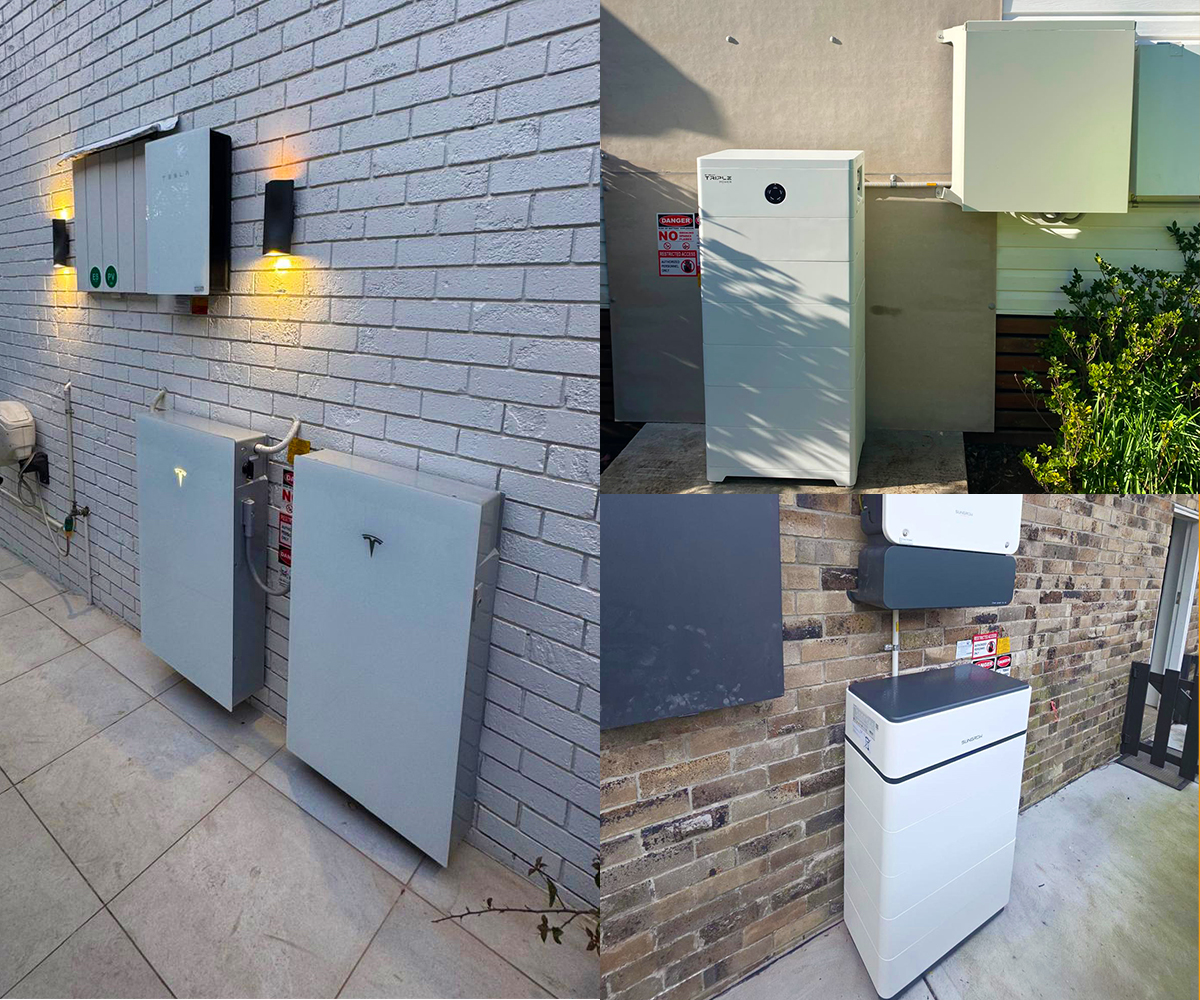
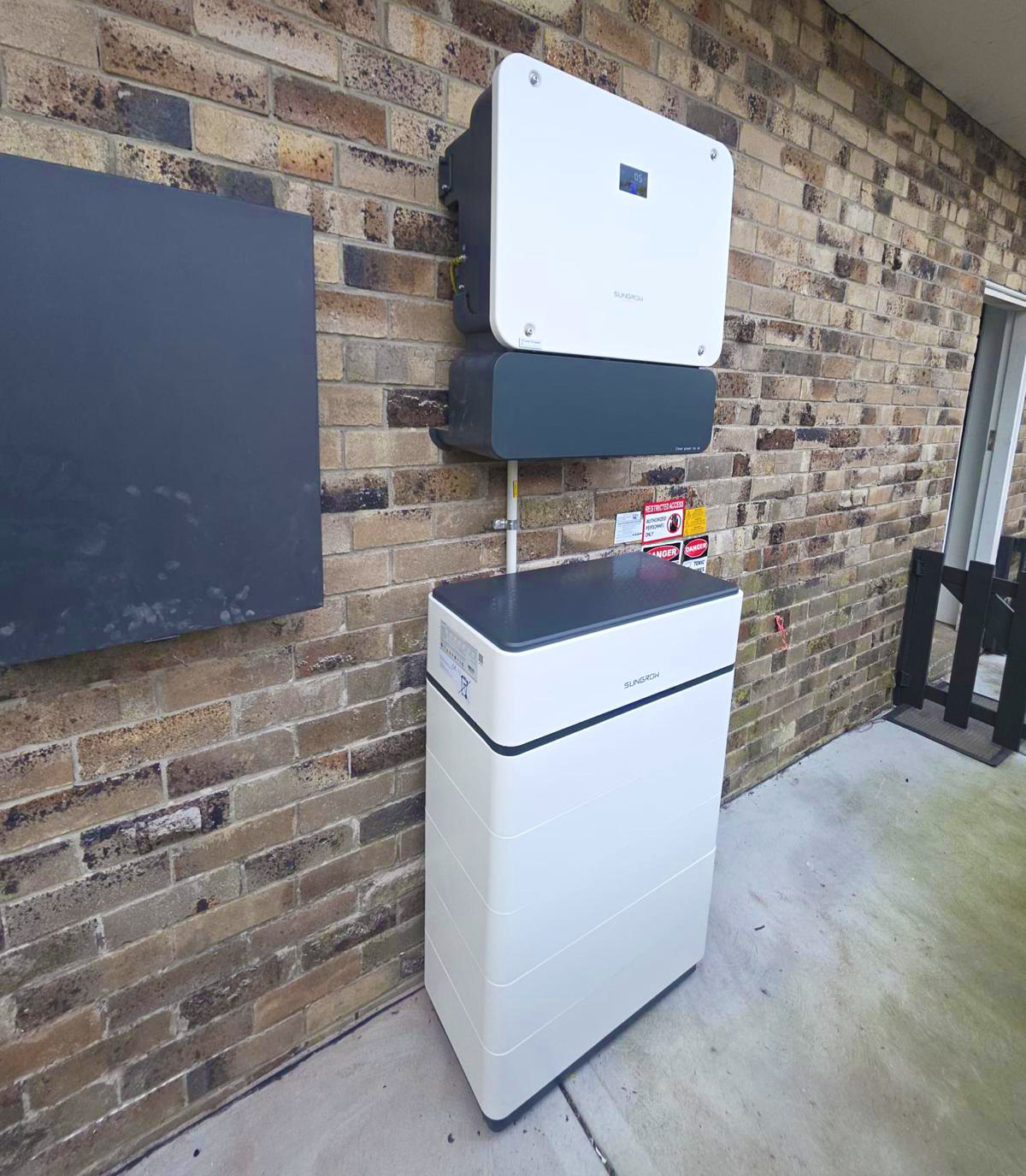
How Tesla, Sungrow and SolaX batteries compare
Solar Battery Lifespan at a Glance
Battery
Warranty
Capacity Warranty
Typical Lifespan
Tesla Powerwall 3
10 years
70% after 10 years
10–15+ years
Sungrow SBR
10 years
70% after 10 years
10–15+ years
Sungrow SBH
10 years
70% after 10 years
10–15+ years
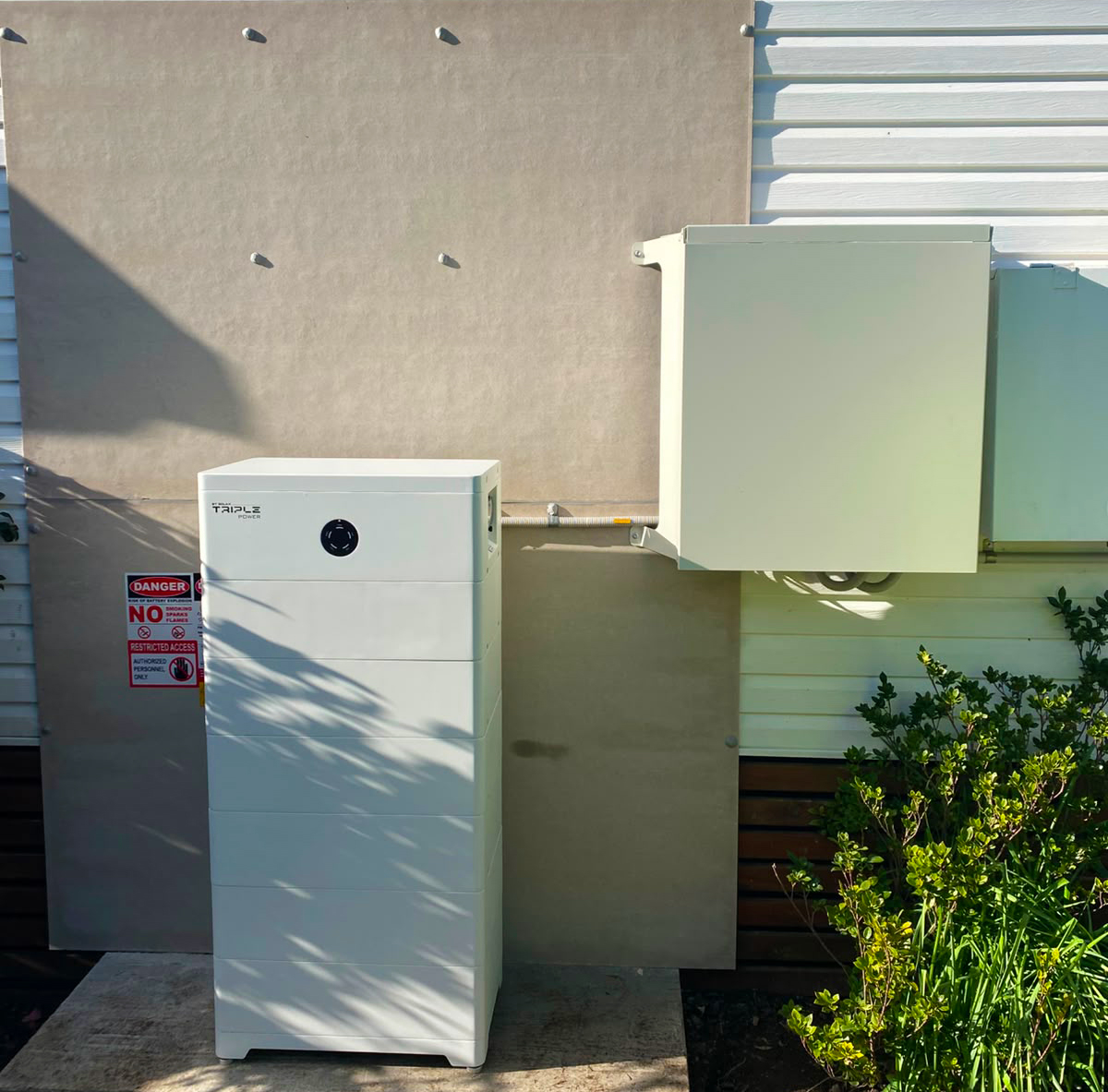
SolaX Triple Power
10 years
70% after 10 years
10–15+ years
While each manufacturer has slightly different warranty conditions, premium lithium iron phosphate (LFP) batteries are all designed for many years of daily charging and discharging.
What Determines How Long a Solar Battery Lasts?
Battery lifespan depends on much more than the warranty period.
Several factors influence how well a battery performs over time.
Battery chemistry
Modern premium batteries, including Tesla Powerwall 3, Sungrow SBR, Sungrow SBH and SolaX Triple Power, use Lithium Iron Phosphate (LFP) cells.
LFP chemistry is known for:
Long cycle life
Excellent thermal stability
High safety
Low degradation over time
This is one of the main reasons today’s home batteries can last well beyond a decade.
Daily cycling
Every time a battery charges and discharges, it completes a cycle.
Quality batteries are designed for thousands of cycles, making them suitable for everyday solar self-consumption and backup power.
Operating temperature
Heat is one of the biggest factors affecting battery longevity.
Most premium batteries operate between -20°C and 50°C, although consistently high temperatures can increase long-term wear and reduce performance.
Correct installation and adequate ventilation help maximise battery life.
Installation quality
A professionally designed and installed battery system is more likely to deliver reliable long-term performance.
Incorrect installation, poor ventilation or incompatible system design can reduce efficiency and potentially affect warranty coverage.
Hiring an reputed solar battery installer matters because correct system design, battery sizing, placement and installation can directly affect safety, efficiency and lifespan.
Warranty conditions
A warranty isn’t simply a promise that the battery will work for 10 years.
It also specifies:
minimum retained capacity
approved operating conditions
eligible usage
installation requirements
Understanding these conditions helps set realistic expectations about long-term performance.
Do Solar Batteries Stop Working After 10 Years?
This is probably the biggest misconception about home battery systems.
A 10-year warranty does not mean the battery stops working after 10 years.
Instead, manufacturers guarantee that the battery will retain a minimum level of performance during the warranty period.
As the battery ages, it slowly stores less energy.
For example, a battery that originally stored 13.5 kWh may still store around 9.5 kWh after ten years if it retains 70% capacity.
That still provides valuable energy storage for many households.
How Long Does Tesla Powerwall 3 Last?
Tesla Powerwall 3 is designed for daily home energy storage and comes with a 10-year warranty.
Warranty
Tesla provides a 10-year warranty for eligible residential use.
The system should remain connected to the internet so Tesla can provide firmware updates and remote monitoring. Extended periods without connectivity may affect warranty coverage.
Capacity after 10 years
Powerwall 3 has 13.5 kWh of usable capacity when new.
Tesla guarantees that it will retain 70% of its original capacity after 10 years under eligible operating conditions.
That equates to approximately 9.45 kWh of usable storage after the warranty period.
What happens after the warranty?
Many Powerwall systems continue operating beyond 10 years.
The battery may simply store less energy than when it was first installed, meaning backup duration and overnight usage may gradually decrease.
How Long Does a Sungrow SBR Battery Last?
Sungrow SBR batteries are designed for daily cycling and long-term residential energy storage.
Warranty
Sungrow provides a 10-year warranty, or 126 months from the manufacturing date, whichever occurs first.
Capacity after 10 years
Sungrow guarantees at least 70% retained capacity after ten years.
Depending on the battery size, this represents approximately:
4.48 kWh remaining from a 6.4 kWh battery
up to 17.92 kWh remaining from a 25.6 kWh battery
What happens after the warranty?
The battery can continue supporting solar self-consumption and backup power, although its storage capacity and backup duration will gradually reduce with age.
How Long Does a Sungrow SBH Battery Last?
The Sungrow SBH range is built for larger residential energy storage systems.
Warranty
Like the SBR range, SBH batteries include a 10-year warranty (or 126 months from manufacture).
Capacity after 10 years
Sungrow warrants the battery to retain at least 70% of its original capacity.
Depending on the model, this equates to approximately 10.5–28 kWh of remaining usable capacity.
What happens after the warranty?
Most batteries continue operating after the warranty expires, although reduced capacity means shorter backup times and less stored solar energy.
How Long Does a SolaX Triple Power Battery Last?
SolaX Triple Power batteries are designed for everyday residential energy storage.
Warranty
The SolaX Triple Power range is covered by a 10-year manufacturer’s warranty.
Capacity after 10 years
SolaX guarantees at least 70% of nominal energy capacity after 120 months.
What happens after the warranty?
Many systems continue operating beyond ten years.
Performance gradually declines over time, but the battery can still help reduce electricity bills and provide backup power where supported by the system.
Frequently Asked Questions
Can a solar battery last 20 years?
Some batteries may continue operating for 15 years or longer, although capacity will continue to decrease over time. Actual lifespan depends on usage, operating conditions and installation quality.
Does a solar battery suddenly fail?
No. Most home batteries gradually lose storage capacity rather than stopping suddenly.
What does 70% capacity mean?
If a battery originally stored 10 kWh, a 70% capacity warranty means it should still store at least 7 kWh after the warranty period under eligible conditions.
Is it worth replacing a battery after 10 years?
Not necessarily.
If the battery still meets your household’s energy needs, there may be no reason to replace it. Many homeowners continue using their battery for several years beyond the warranty period.
The Bottom Line
Most premium solar batteries are designed to last 10 to 15 years or more.
Rather than failing suddenly, they gradually lose storage capacity while continuing to provide value through lower electricity bills and backup power.
Tesla Powerwall 3, Sungrow SBR, Sungrow SBH and SolaX Triple Power all offer 10-year warranties with approximately 70% retained capacity, making them reliable long-term investments for Australian homes.
If you’re considering a battery system, choosing the right installer is just as important as choosing the right battery. A professionally designed and installed system will help maximise performance, reliability and long-term value for years to come.
Looking to install a solar battery?
If you’re considering solar and battery storage, now is a great time to explore available rebates and interest-free finance options.
Book a free consultation with SolarBright. Our team can explain your options, prepare a tailored quote and help you get the best value from your new solar battery system.