Tesla Powerwall 3 Rebates

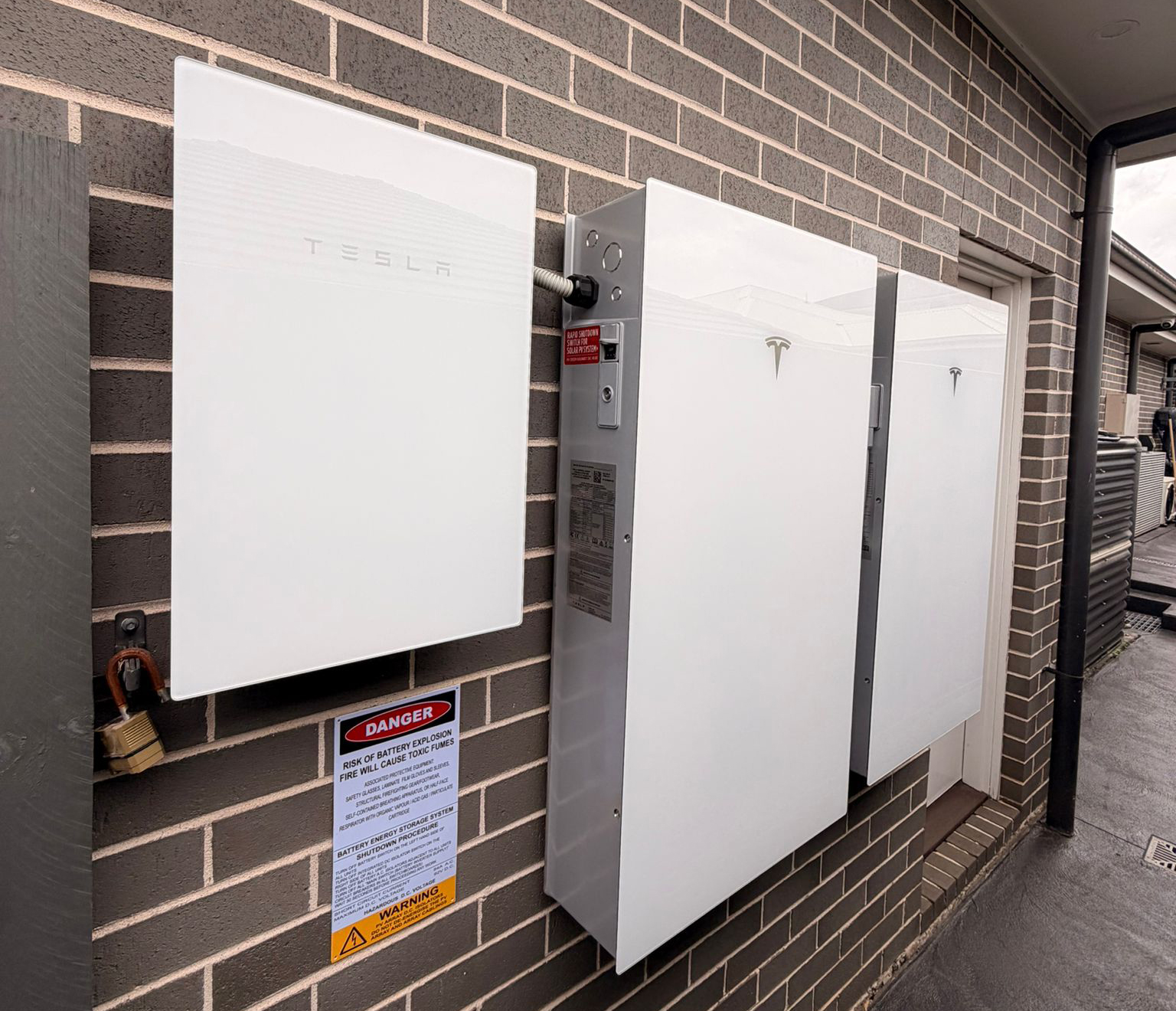
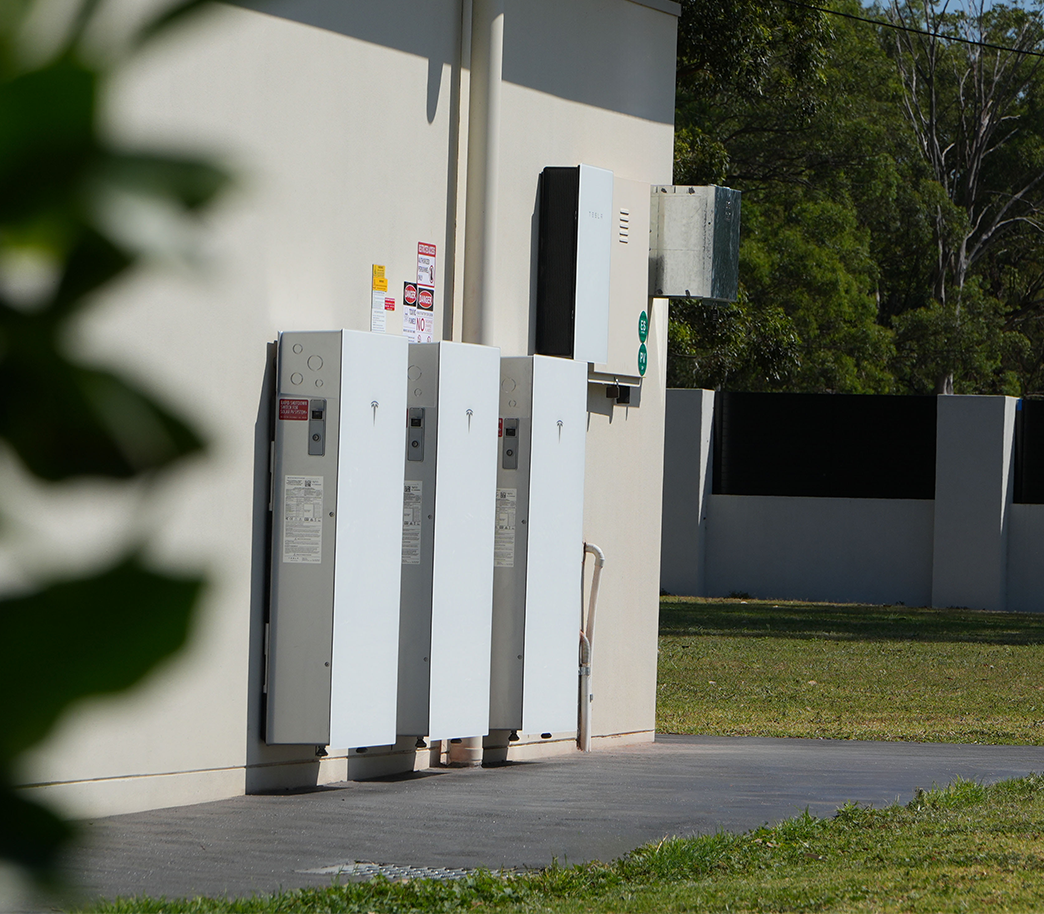
Tesla Powerwall 3 is one of the most popular home battery options for Australian households. It helps store excess solar power during the day so you can use it later when the sun goes down.

In 2026, solar battery rebates for NSW homes are still available. However, the rebate structure changed from May 2026. This means the rebate value for Tesla Powerwall 3 depends on battery size, usable capacity and the current STC value.

Tesla Solar Battery Rebates in 2026

Solar battery rebates changed in May 2026, but there is still great value available for eligible homeowners looking to install Tesla solar batteries.

The two biggest changes are:

  • Battery size rebate tiers
  • STC market value changes

These changes affect how much rebate you may receive when installing a Tesla Powerwall 3.

Battery Size Changes

From May 2026, the solar battery rebate became more tiered. The first 14kWh receives the highest rebate rate. Capacity above 14kWh still receives a rebate, but at a reduced rate.

Usable Battery Capacity Rebate Applied
0-14kWh 100%
14-28kWh 60%
28-50kWh 15%

This is important for Tesla Powerwall 3 because each unit has 13.5kWh of usable capacity.

One Powerwall 3 sits almost fully inside the highest rebate tier. This makes it a strong option for homeowners looking to get good rebate value from a single battery.

STC Market Value Changes

From May 2026, the STC factor changed from 8.4 to 6.8. This means the rebate value is lower than it was earlier in 2026.

Installation Period STC Factor
January – April 2026 8.4
May – December 2026 6.8

This does not mean the rebate has ended. It simply means the rebate amount is now calculated at a lower STC factor.

How Does the Rebate Work for Tesla Powerwall 3?

Tesla Powerwall 3 has 13.5kWh of usable battery capacity. This puts one Powerwall 3 almost fully within the first rebate tier.

That first tier receives 100% of the rebate rate. This makes one Powerwall 3 a very efficient size from a rebate point of view.

If you install two or three Powerwall 3 batteries, the rebate can still apply. However, the extra battery capacity moves into lower rebate tiers.

Tesla Powerwall 3 Rebate Estimate

Up to three Tesla Powerwall 3 batteries may be eligible under the 2026 solar battery rebate structure.

Three Powerwall 3 batteries provide a total usable capacity of 40.5kWh. This means the system can still sit within the eligible rebate range.

Here is an estimated rebate breakdown.

Number of Tesla Powerwall 3 Batteries Total Usable Capacity Estimated Rebate Value
1 x Tesla Powerwall 3 13.5kWh $3,972.15
2 x Tesla Powerwall 3 27.0kWh $6,460.20
3 x Tesla Powerwall 3 40.5kWh $7,202.25

These rebate values are estimates only. The final rebate can change based on STC market value, installation date, system design and eligibility.

You can use SolarBright’s solar battery rebate calculator.

Don’t miss out on reseller discounts

As a Tesla Premium Certified Installer, SolarBright can help you get more value from your Powerwall 3 installation.

You may also be eligible for reseller discounts when you install through SolarBright. This can help reduce your upfront cost, on top of any eligible solar battery rebate.

You also get expert battery sizing, quality installation and reliable post-installation support from a team that understands Tesla Powerwall 3 setup and backup requirements.

Is One Tesla Powerwall 3 the Best Rebate Value?

For many homes, one Tesla Powerwall 3 offers strong rebate value.

This is because its 13.5kWh usable capacity fits almost entirely within the 0–14kWh rebate tier. That tier receives the highest rebate rate.

One Powerwall 3 may suit homes that want to store daytime solar power for night-time use. It can also suit households looking for backup power and better energy control.

What About Two or Three Powerwall 3 Batteries?

Two or three Tesla Powerwall 3 batteries may suit larger homes.

They may also suit households with high energy use, large solar systems or higher evening electricity demand.

The rebate still applies to larger systems. However, the rebate per kWh becomes lower after the first 14kWh.

This means bigger battery systems should be chosen based on real energy usage, not just rebate value.

Install Powerwall 3 with Tesla Premium Certified Installer

SolarBright will help you choose the right battery size, understand rebate options and get a professional installation from start to finish.

If you are looking to install a Powerwall 3, contact SolarBright or book a free consultation for expert advice.

How to Choose the Best Tubular Skylight

Tubular skylights are a simple way to bring natural light into darker areas of your home. They capture sunlight from the roof and transfer it through a reflective tube into the room below.

Tubular Skylights are commonly installed in hallways, bathrooms, laundries, kitchens and walk-in robes where traditional windows may not provide enough light.

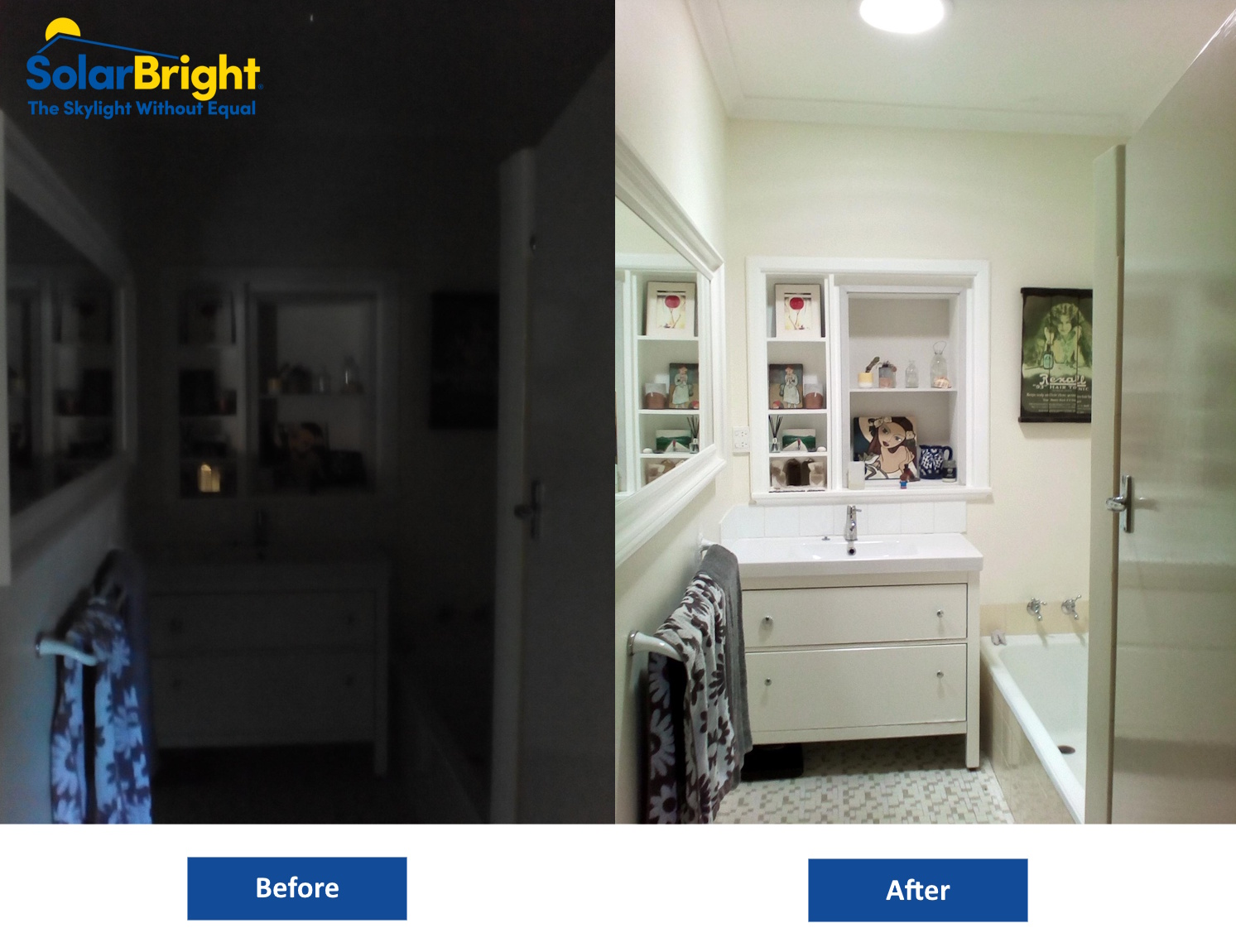
A well-designed tubular skylight can make a room feel brighter, more open and more comfortable during the day while reducing the need for artificial lighting.

However, not all tubular skylights perform the same. The quality of the dome, reflective tube, diffuser and installation all play a major role in the final result.

Here are the main things to look for when choosing a tubular skylight for your home.

Focus on Light Performance

The main purpose of a tubular skylight is to deliver as much natural light as possible into the room below. This depends heavily on the quality of the system’s components.

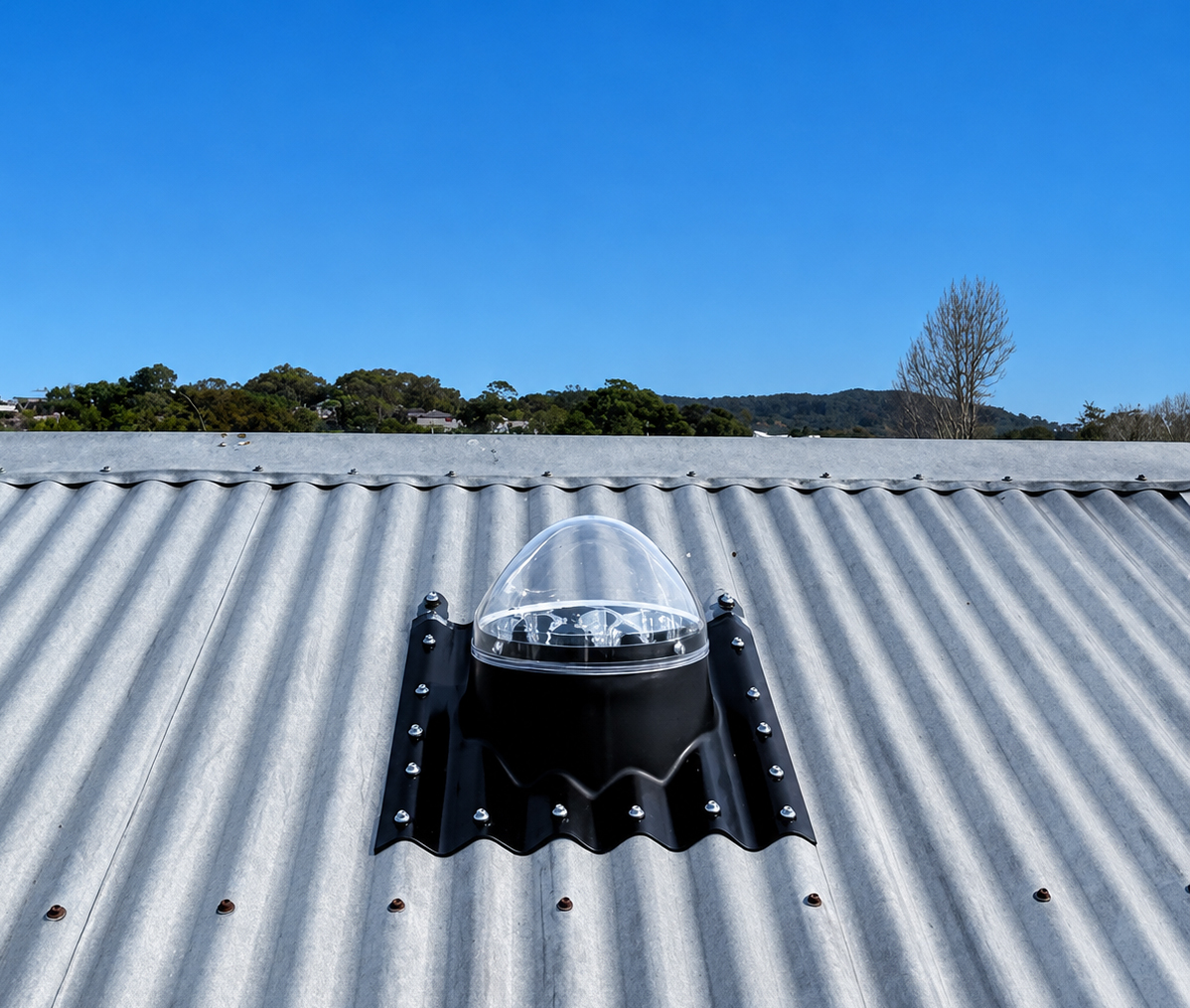
The dome on the roof should capture sunlight from multiple angles throughout the day, not just when the sun is directly overhead. A strong dome should also be durable enough to handle Australian weather conditions including heat, heavy rain and hail.

The reflective tube is one of the most important parts of the system. Higher-quality tubing helps reduce light loss as sunlight travels from the roof into the room.

The diffuser inside the ceiling also matters. A good diffuser spreads light more evenly across the room and creates a softer, more natural finish rather than harsh glare.

When comparing skylights, it is important to look beyond appearance and check how the main components are designed to perform.

Choose a Skylight Suited to Australian Conditions

Australian homes experience strong sunlight, high temperatures, storms and changing weather conditions. Choosing a skylight designed for local conditions can improve long-term durability and performance.

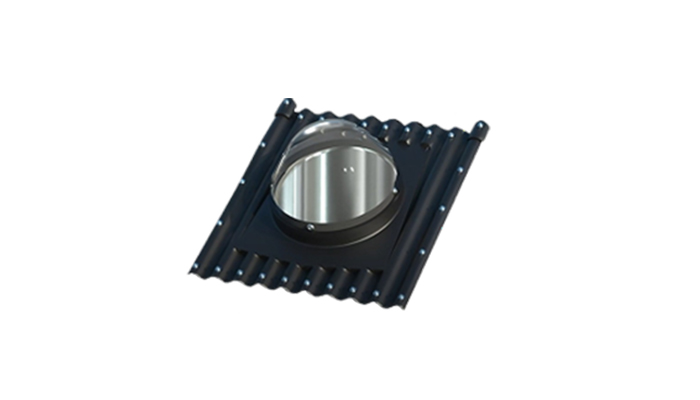
It is also important to make sure the skylight suits your roof type. Different homes may have tile roofs, metal roofs or other roofing profiles that require different flashing systems.

Correct flashing helps create a secure and weatherproof seal around the skylight. Poorly matched flashing can increase the risk of leaks or installation problems over time.

Working with an experienced installer helps ensure the skylight is properly matched to your roof and positioned for the best lighting result.

Installation Quality Matters

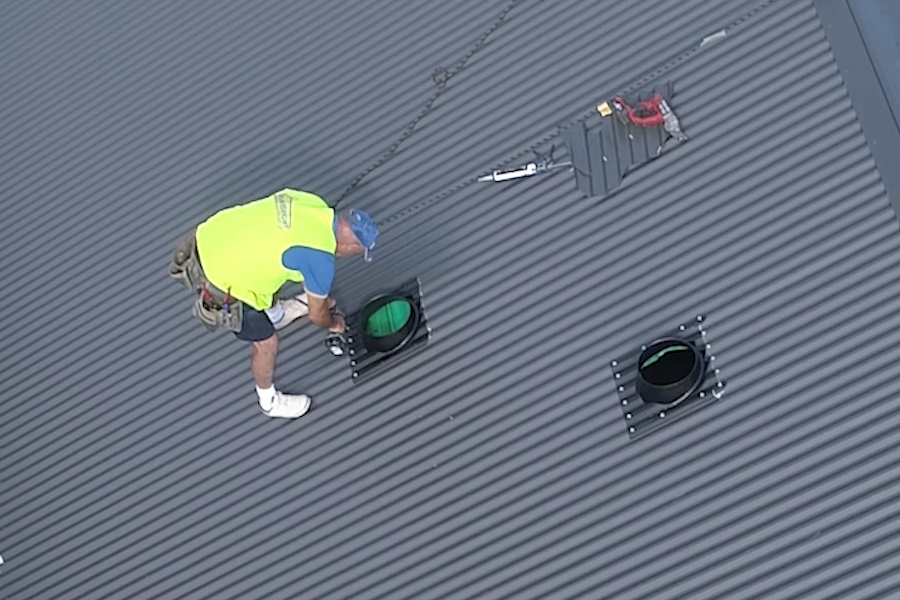
maxLoight Skylight Install worker on roof installing the flashing

Even a high-quality skylight can perform poorly if it is not installed correctly.

A proper installation should provide strong light transfer, a clean ceiling finish and reliable weather sealing around the roof penetration.

Poor installation can lead to leaks, uneven finishes or reduced lighting performance.

Before choosing a supplier, ask whether they provide a workmanship warranty in addition to the product warranty. This gives added confidence that the installation is backed after the job is complete.

Do Not Focus Only on Price

Tubular skylights are available at many different price points, but the cheapest option is not always the best long-term value.

Lower-cost products may use lower-grade materials or less reflective tubing, which can reduce lighting performance and durability over time.

A better-quality system may cost more initially but can provide stronger natural light, better reliability and fewer issues in the future.

Why SolarBright’s MaxLight Tubular Skylights Stand Out

SolarBright’s MaxLight tubular skylights are designed for Australian homes and built to deliver strong natural lighting performance with reliable long-term durability.

Australian Designed

MaxLight tubular skylights are designed and developed for Australian conditions, making them suitable for local roof types and weather conditions.

Raycatcher® Dome

The RayCatcher dome is designed to capture sunlight from different angles throughout the day to improve natural light transfer into the home.

It is also hail resistant for added durability.

Miro-Silver® Tube

MaxLight systems use Miro Silver reflective tubing to help maximise light transfer from the roof into the room below.

The tubing is designed to maintain up to 98% optimal reflective performance for long-lasting lighting efficiency.

Triple Lens Diffuser

The triple lens diffuser helps spread natural light more evenly throughout the room while reducing harsh glare.

This creates a softer and more natural lighting effect inside the home.

Strong Warranty Support

MaxLight tubular skylights include:

  • 20-year warranty on the tube
  • 1-year workmanship warranty on installation

This gives homeowners added confidence in both the product and installation quality.

Final Thoughts

A good tubular skylight should provide strong light performance, durable components and reliable installation suited to your roof type and local conditions.

The dome, reflective tube, diffuser and flashing system all contribute to how well the skylight performs over time.

For homeowners looking for a practical and durable solution, SolarBright’s MaxLight tubular skylights offer a strong combination of lighting performance, quality construction and local installation support.

Looking to brighten your home with natural light?

Contact SolarBright or book a free consultation to learn more about MaxLight tubular skylights or book a free consultation.

Solar Battery Rebates NSW

Australia’s solar battery rebates are still available in 2026, but the structure changes significantly after May. For many households, the rebate reduction will affect both the total discount available and the ideal battery size to install.

The changes are not the end of battery incentives, but they do alter the economics of larger battery systems and place greater emphasis on timing and system design.

Here’s what homeowners need to know before installing a solar battery in 2026.

What Is the Federal Solar Battery Rebate?

Australia’s federal battery incentive operates through the Small-scale Renewable Energy Scheme (SRES), using Small-scale Technology Certificates (STCs) to reduce the upfront cost of eligible battery systems.

Rather than applying for a separate government payment, the rebate is usually provided as an upfront discount by your installer.

The rebate amount depends on several factors, including:

  • Battery size
  • Installation date
  • STC market value
  • Eligibility requirements
  • Whether the system and installer meet Clean Energy Council guidelines

For many households, the federal rebate can reduce battery installation costs by several thousand dollars.

What Changes to the Solar Battery Rebate After May 2026?

Two major changes affect battery rebates from May 2026 onward:

  1. The STC factor reduces
  2. Larger battery systems receive lower rebate weighting

Together, these changes reduce the rebate value available on bigger battery systems installed later in the year.

The STC Factor Reduces

From January to April 2026, the battery STC multiplier remains higher. From May onward, it reduces.

Estimated STC Factors

Installation Period STC Factor
January – April 2026 8.4
May – December 2026 6.8

In practical terms, this means the exact same battery installed later in the year may attract a noticeably smaller rebate.

For homeowners already considering battery storage, installation timing may affect total project cost.

Solar Battery Rebates Become Tiered

From May 2026, battery rebates become more heavily weighted toward smaller and mid-sized systems.

Proposed Rebate Structure

Usable Battery Capacity Rebate Applied
0–14kWh 100%
14–28kWh 60%
28–50kWh 15%

This does not mean larger batteries stop qualifying for rebates. Instead, the additional capacity above each threshold receives reduced rebate support.

For example:

  • The first 14kWh still receives full rebate weighting
  • Capacity between 14–28kWh receives reduced support
  • Capacity above 28kWh receives only limited rebate value

The result is that larger systems become progressively less attractive.

Why 10-14kWh Batteries May Become the Sweet Spot

For many Australian households, a battery in the 10-14kWh range already provides the best balance between:

  • Upfront cost
  • Solar self-consumption
  • Evening energy usage
  • Backup capability
  • Rebate efficiency

This battery size is often enough to cover overnight household consumption for families with moderate evening energy usage.

Under the updated rebate structure, systems within this range continue receiving the strongest rebate support relative to total battery size.

That may make mid-sized batteries the most financially attractive option for many homes in 2026.

When Larger Battery Systems Still Make Sense

Despite the rebate reduction, larger batteries still suit some households.

A bigger battery may still be worthwhile if you have:

  • An electric vehicle charging overnight
  • High evening electricity usage
  • Three-phase equipment
  • Large ducted air conditioning loads
  • A home office with significant overnight consumption
  • Virtual Power Plant (VPP) participation plans
  • Backup power requirements
  • Future electrification goals

In these cases, maximizing energy independence or reducing grid reliance may still justify a larger system even with reduced rebate support.

The best battery size depends on household usage patterns, future plans, and solar production capacity — not just rebate value alone.

Can You Expand a Battery Later?

Some battery systems allow future expansion, but this should be planned carefully.

Under the proposed tiered structure, the total usable battery capacity may affect rebate treatment. Expanding later could move part of the system into lower rebate tiers.

For example:

  • An initial 13kWh installation may receive full rebate weighting
  • Expanding beyond 14kWh later may place the additional capacity into reduced rebate tiers

Not all batteries support seamless expansion either. Some systems require matching hardware, compatible firmware, or additional inverter considerations.

If future expansion is likely, it is worth discussing this upfront during system design.

Should You Install Before Rebates Reduce?

For households already planning battery storage, installing before the May 2026 reduction may improve rebate outcomes.

However, rushing into the wrong battery system purely for rebate reasons is rarely the best long-term decision.

Factors still worth considering include:

  • Electricity usage profile
  • Future EV plans
  • Available roof solar production
  • Battery lifespan and warranty
  • Payback period
  • Electricity tariff structure
  • Potential future battery price reductions

Battery prices continue trending downward globally, which may partially offset lower rebate values over time.

That means some homeowners may still choose to wait depending on technology improvements and pricing trends.

What Happens After 2026?

Current policy settings indicate battery rebate support is likely to continue reducing gradually over time rather than ending abruptly.

Like solar STCs, battery incentives are expected to decline progressively as battery adoption increases and technology costs fall.

While future government policy can change, the broader direction appears to be:

  • Stronger incentives earlier
  • Gradual reduction over time
  • Greater focus on right-sized systems rather than oversized installations

For homeowners considering battery storage in the next few years, earlier installation may provide access to stronger rebate conditions.

Final Thoughts

Solar battery rebates are not disappearing in 2026, but the structure changes after May are significant.

The key impacts are:

  • Lower STC rebate factors after May
  • Reduced rebate weighting for larger battery systems
  • Greater value concentration in the 10–14kWh range

For many households, a properly sized mid-range battery may deliver the best balance of rebate value, payback, and energy savings.

Larger batteries can still make sense in the right situations, particularly for homes with EV charging, high overnight demand, or long-term electrification plans.

The most important step is designing a battery system around actual household energy usage rather than chasing rebate figures alone.

Make the Most of NSW Solar Battery Rebates

Speak with SolarBright or book a free consultation to find the right solar battery for your home, budget and NSW rebate eligibility.

Thermostat Controlled Solar Roof Ventilation

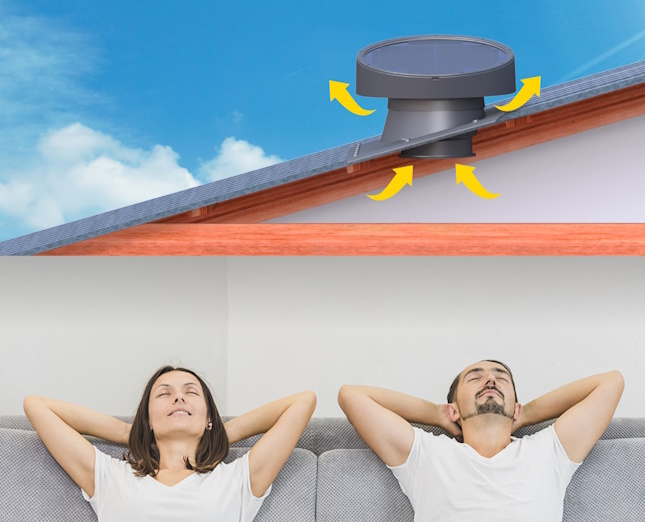
Australian homes can build up a lot of heat in the roof cavity, especially during warmer months. Once that hot air becomes trapped, it can radiate down into your living areas, making your home feel hotter and forcing your cooling system to work harder.

This is where solar roof ventilation can make a big difference. A solar roof ventilator helps remove hot, stale air from the roof space using free energy from the sun. But for better comfort and smarter operation, many homeowners now look for thermostat controlled solar roof ventilation.

A thermostat helps the ventilator run only when it is needed, instead of operating unnecessarily when the roof space temperature is already comfortable.

How Solar Roof Ventilation Works

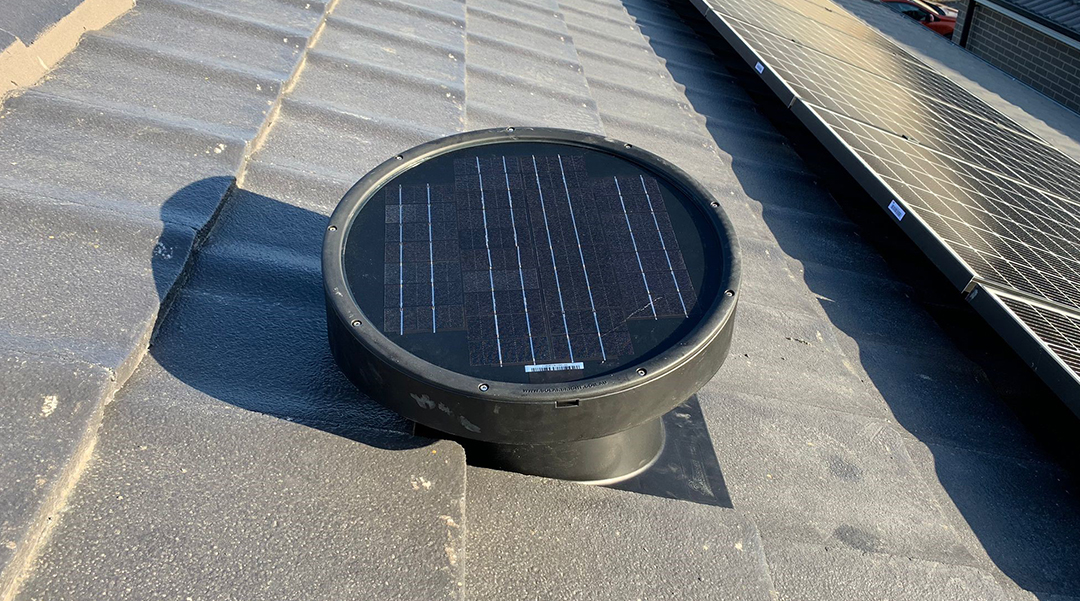
Solar roof ventilators are installed on the roof and powered by a solar panel. When the sun is shining, the solar panel powers the fan inside the ventilator.

The fan then draws hot air out of the roof cavity and helps replace it with fresher outside air through existing roof gaps, vents or eaves.

This process can help:

  • Reduce heat build-up in the roof space
  • Improve airflow through the roof cavity
  • Make the home feel more comfortable
  • Reduce pressure on air conditioning
  • Help protect stored items, insulation and roof materials from excessive heat

Unlike traditional powered roof fans, solar roof ventilators do not rely on mains electricity during daytime operation. They use solar energy, making them a practical and energy-efficient ventilation option for Australian homes.

What Is Thermostat Control?

A thermostat is a temperature-sensitive control system. It turns a device on or off depending on the temperature around it.

In simple terms, thermostat control means the ventilator does not just run all the time. Instead, it starts operating when the roof space reaches a set temperature.

For solar roof ventilation, this is useful because the fan only needs to remove hot air when the roof cavity becomes warm enough to require ventilation.

How Thermostat Control Works with Solar Roof Ventilators

With a thermostat controlled solar roof ventilator, the system monitors the temperature in the roof cavity.

Once the temperature reaches the set threshold, the fan starts working and begins extracting hot air from the roof space. When the temperature drops below the set level, the fan can stop operating.

This makes the system more practical because it responds to the actual roof space temperature, rather than running when ventilation is not really needed.

Introducing MaxBreeze: Thermostat Controlled Solar Roof Ventilation

SolarBright’s MaxBreeze Solar Roof Ventilation is designed to help Australian homes reduce heat build-up in the roof space and improve airflow.

Built for local roof types and climate conditions, MaxBreeze is made to perform in Australian homes where roof cavities can become extremely hot during summer.

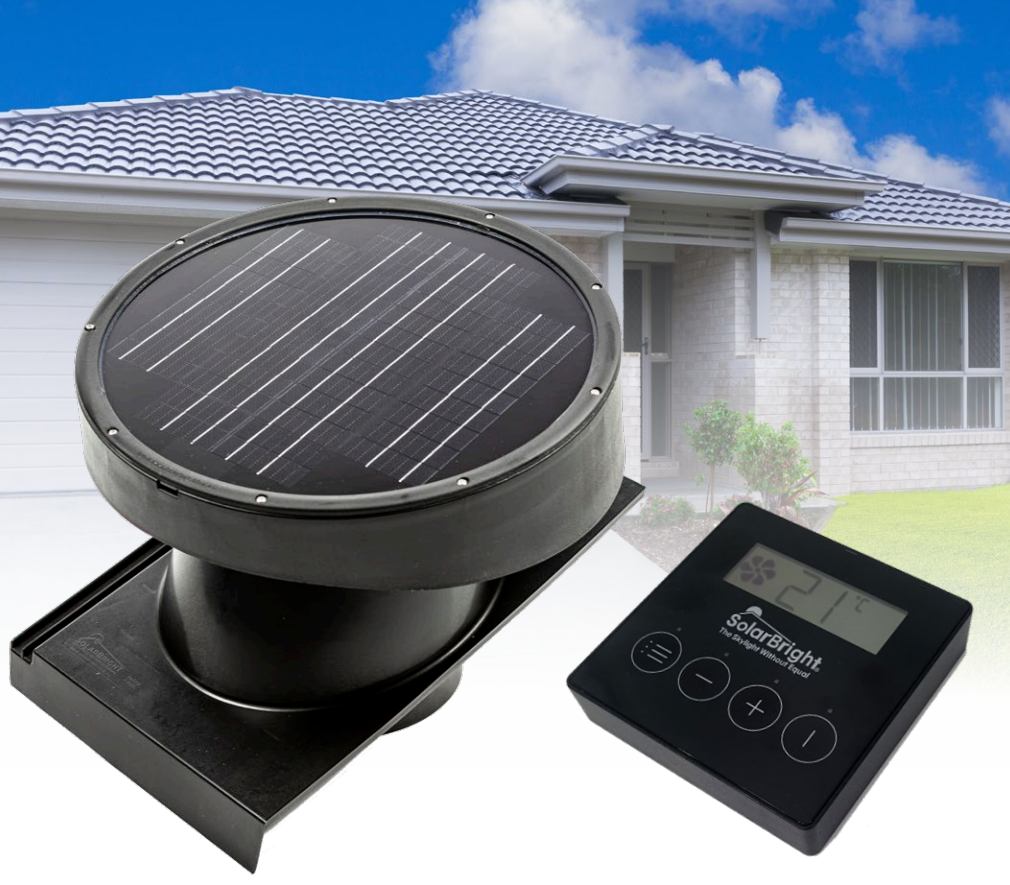
One of the key advantages of MaxBreeze is its built-in thermostat function. The system is designed to start operating once the temperature reaches 25°C, helping extract hot air when the roof space begins to warm up.

This makes MaxBreeze a smart option for homeowners who want solar powered roof ventilation with automatic temperature-based operation.

How MaxBreeze Works

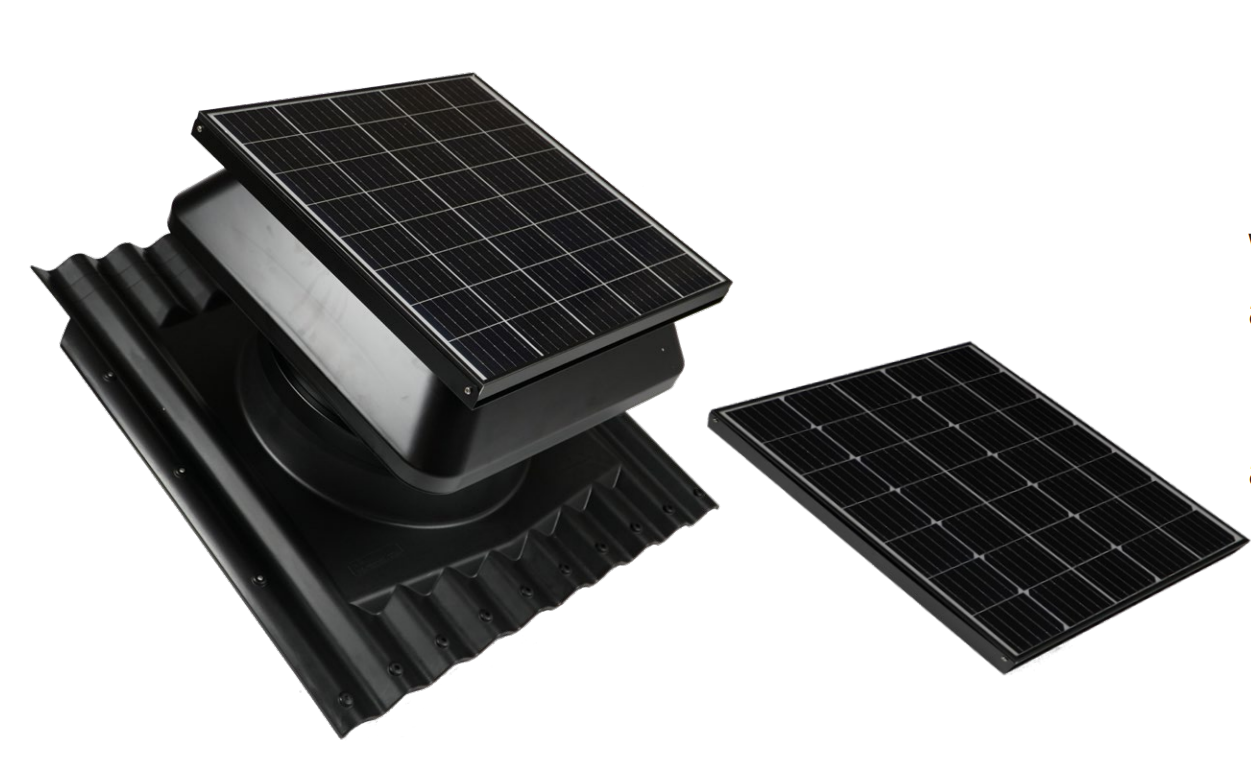
MaxBreeze Solar Roof Fans

During warmer conditions, heat can build up quickly inside the roof cavity as hot air becomes trapped under the roof. This can increase the temperature in the roof space and make the home feel warmer below.

MaxBreeze uses its built-in solar panel to convert sunlight into electricity, which powers the fan motor during the day. Once the roof cavity reaches 25°C, the thermostat automatically activates the fan.

The fan then helps pull hot, stale air out of the roof cavity, allowing cooler air to enter through the eaves and improve airflow. This helps reduce heat build-up and maintain a more comfortable roof cavity temperature automatically.

What If You Need More Temperature Control?

Some homeowners may want more control over when their solar roof ventilator starts and stops. This is where the MaxBreeze Plus models are a great option.

MaxBreeze Plus models come with a receiver and remote, giving you extra control over the thermostat settings.

With MaxBreeze Plus, you can:

Adjust the thermostat temperature threshold
You can change the default 25°C setting and choose when you want the ventilator to start. For example, you may prefer it to start at 20°C, 25°C or 30°C depending on your home and comfort needs.

Turn the thermostat on or off as needed
The remote gives you more flexibility, allowing you to control how the thermostat function operates.

This is ideal if you want a more customised roof ventilation setup for your home.

Is There a Day and Night Solar Roof Ventilation Option?

Yes. For homeowners who want ventilation beyond daytime solar operation, MaxBreeze is available in the 400 Zephyr model.

The MaxBreeze 400 Zephyr includes an extra solar panel and battery, allowing the system to store energy during the day and continue working at night using stored battery power.

This can be a good option for homes that need additional airflow after sunset, especially when heat remains trapped in the roof cavity into the evening.

Choosing the Right Solar Roof Ventilator for Your Home

The best solar roof ventilation setup depends on your roof size, roof cavity, home layout and how much control you want over the system.

For many homes, a thermostat controlled solar roof ventilator is a smart choice because it gives you automatic operation based on temperature. For homeowners who want extra flexibility, MaxBreeze Plus provides more control through remote-adjustable thermostat settings. For extended operation into the evening, the MaxBreeze 400 Zephyr offers a day and night solution with battery support.

Looking for Solar Roof Ventilation Built for Australia?

Contact SolarBright or book a free consultation , and the team can help you find the right MaxBreeze model for your home.

Are Solar Batteries Still Worth It in 2026?

Solar batteries remain a worthwhile investment for many Australian households in 2026, particularly as electricity prices stay high, feed-in tariffs remain low, and more homeowners look for greater control over their power usage.

A solar battery allows your home to store excess solar energy generated during the day and use it later when electricity demand and grid prices are higher. Instead of exporting surplus energy back to the grid for a low feed-in tariff, homeowners can use stored energy during the evening when it provides the most value.

For many households, the decision is no longer just about savings. Battery storage is increasingly about reducing exposure to rising electricity costs, improving energy security, and adding protection during blackouts.

Although battery rebates reduced after May 2026, eligible homeowners can still access meaningful support that helps lower the upfront installation cost. Combined with flexible finance options and ongoing energy price increases, solar batteries continue to make strong practical and financial sense for many homes.

Battery Rebates in 2026

Battery rebates have reduced compared to earlier government incentive levels, but they have not disappeared. Eligible households can still access valuable rebate support that helps reduce the initial cost of installation.

With lower rebate levels, system design has become more important than ever. Oversizing a battery can increase costs unnecessarily, while undersizing may limit the value homeowners receive from the system.

A properly designed battery system should match the household’s:

  • Energy usage patterns
  • Evening electricity consumption
  • Solar generation capacity
  • Backup requirements
  • Long-term energy goals

Homeowners should also review the latest rebate eligibility criteria before proceeding with solar battery installation.

Rising Electricity Prices Continue to Drive Demand

Keep Your Energy Bill Lower

One of the biggest reasons batteries remain popular in 2026 is the continued increase in electricity costs.

Modern homes consume more electricity than ever through:

  • Air conditioning and heating
  • Electric cooking appliances
  • Home offices
  • Entertainment systems
  • Pool equipment
  • Electric vehicle charging
  • Everyday appliances and electronics

At the same time, many retailers apply higher charges during peak evening periods when households rely heavily on the grid.

A battery helps reduce this dependence by storing unused solar energy during the day and supplying it back to the home later when electricity prices are typically higher.

A well-designed system can help homeowners:

  • Reduce electricity imported from the grid
  • Lower exposure to rising power prices
  • Increase self-consumption of solar energy
  • Improve long-term control over household energy costs

Blackout Protection and Backup Power

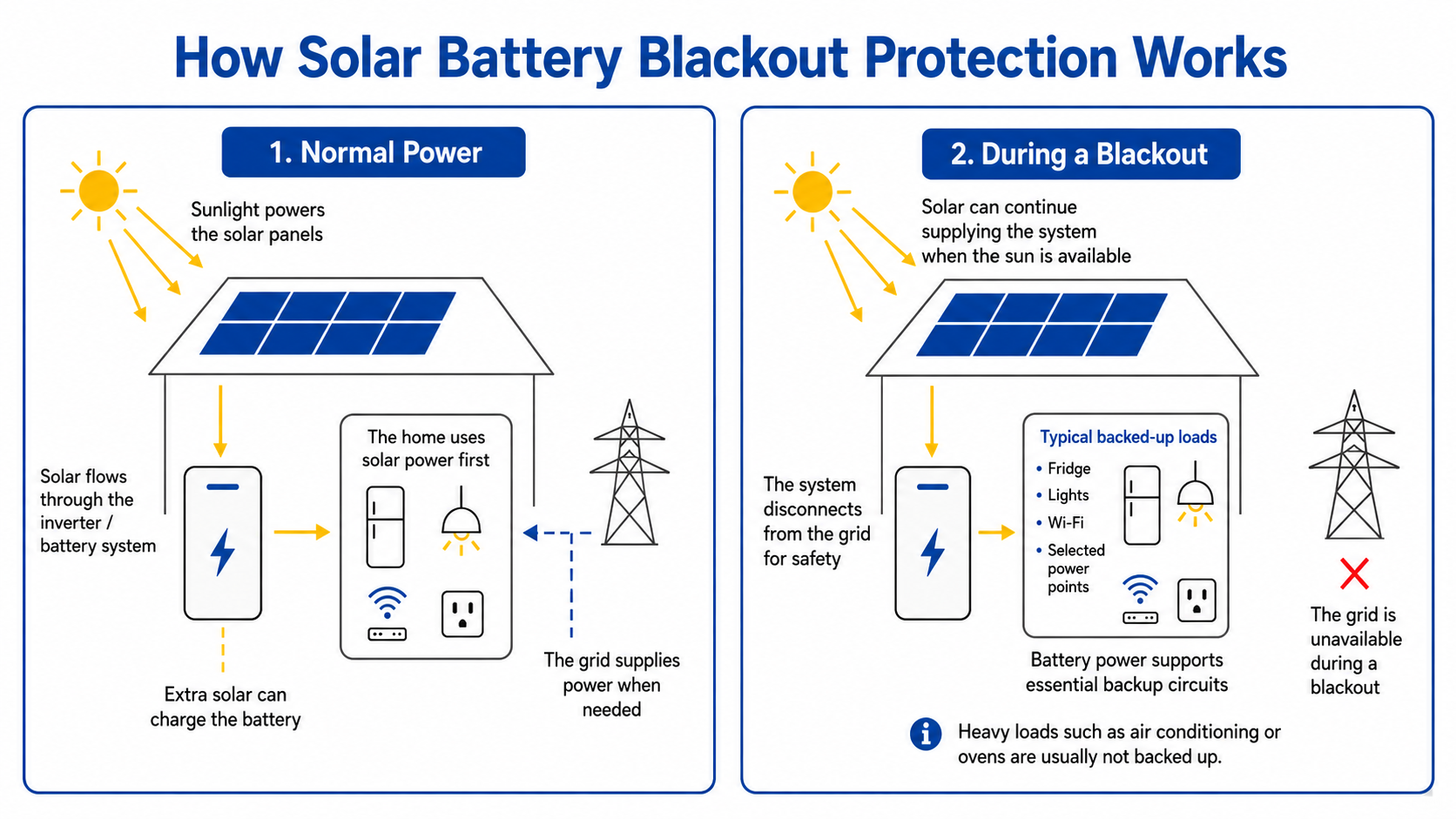
Backup power remains one of the most important benefits of solar batteries in 2026.

Power outages can occur during storms, grid failures, maintenance works, or extreme weather events. Even short interruptions can affect refrigeration, internet access, lighting, security systems, and work-from-home setups.

When designed correctly, a battery system can keep selected appliances and circuits operating during a blackout, including:

  • Fridges and freezers
  • Lighting
  • Internet
  • Essential power outlets

However, not every battery system automatically provides blackout protection. Backup capability depends on the inverter, battery compatibility, switchboard configuration, and overall system design.

This is one of the most misunderstood areas of battery installations. Some systems only provide partial backup, while others are designed to support larger sections of the home. These requirements should be discussed before installation rather than assumed afterward.

Solar Finance Options

Upfront cost remains one of the biggest barriers for homeowners considering battery storage. Finance options can help reduce this hurdle by allowing eligible customers to spread the investment over time.

For many households, solar finance allows them to:

  • Install a battery sooner
  • Access current rebate support
  • Reduce grid reliance earlier
  • Improve household energy management without a large upfront payment

The suitability of finance depends on the household’s goals, electricity usage, and overall financial position.

Why Solar Batteries Still Make Sense in 2026

Solar batteries continue to make sense for homeowners who want to:

  • Use more of their own solar energy
  • Reduce dependence on the electricity grid
  • Improve blackout protection
  • Lower exposure to rising electricity prices
  • Increase energy self-sufficiency
  • Build a more efficient home energy system

As electricity costs continue to rise, battery storage is becoming less of a luxury upgrade and more of a long-term energy management tool.

Choosing the Right Battery System Matters

Not all battery systems perform the same.

Battery capacity, inverter compatibility, usable storage, backup configuration, and installation quality all affect long-term performance and reliability.

The cheapest system is not always the best value, and the largest battery is not always the most suitable option. The best outcome comes from matching the system design to the household’s actual energy usage.

Before installing a battery, homeowners should consider:

  • Daily electricity usage
  • Peak usage periods
  • Backup power requirements
  • Essential appliances during outages
  • Available rebate eligibility
  • Future electricity needs
  • Installation quality and after-sales support

Solar Battery storage is a long-term investment, which makes system design and installation quality just as important as the battery brand itself.

Conclusion: Are Solar Batteries Worth It in 2026?

Yes – for many Australian households, solar batteries are still worth considering in 2026.

While rebates have reduced, support is still available for eligible systems. Combined with rising electricity prices, lower feed-in tariffs, and growing interest in blackout protection, batteries continue to offer strong long-term value.

A properly designed battery system can help homeowners:

  • Store excess solar energy
  • Reduce reliance on the grid
  • Improve protection during outages
  • Gain greater control over electricity costs

The key is choosing a system that is properly sized, professionally installed, and designed around the household’s actual energy needs.

Need Help Choosing the Right Solar Battery?

Not sure which battery size suits your home? Contact SolarBright or book a free consultation with our team.

Do Skylights Leak?

Skylights can leak if they are poorly installed or fitted with incorrect flashing. However, a properly selected and professionally installed skylight should remain watertight for many years.

SolarBright’s MaxLight Tubular Skylights are designed to provide natural daylight with a compact, leak-resistant installation when fitted correctly with flashing suited to your roof type. This allows homeowners to enjoy brighter living spaces without worrying every time it rains.

Why Do Some Skylights Leak?

In most cases, skylight leaks are not caused by the skylight itself. They are usually caused by installation issues, unsuitable flashing, damaged roofing materials or ageing components.

Because a skylight is installed through the roof, it must work properly with the roof pitch, roof profile and surrounding roofing materials. If any part of the installation is incorrect, water can eventually find its way into the ceiling space.

Some of the most common causes of skylight leaks include:

  • Poor installation
  • Incorrect flashing selection
  • Inadequate sealing
  • Damaged roof tiles or metal sheets around the skylight
  • Ageing roof materials or previous repair work

A cheaper installation may save money initially, but poor workmanship can lead to ceiling damage, water stains and costly repairs later.

Why Flashing Is So Important

Flashing is one of the most important parts of any skylight installation.

Its role is to direct rainwater safely around the skylight and back onto the roof surface. Without properly fitted flashing, water can collect around the roof opening and create leak risks over time.

Different roof types require different flashing solutions. For example:

  • Tiled roofs require different flashing to metal roofs
  • Low-pitch roofs have different drainage requirements to steeper roofs
  • Roof profiles and water flow patterns vary between homes

This is why the flashing system must match the roof type and be installed correctly.

MaxLight Tubular Skylights use flashing options designed to suit most common Australian roof types, helping create a secure and weather-resistant installation.

Why Tubular Skylights Can Be a Practical Option

Traditional skylights can look impressive, but they often require larger roof openings and more structural work. Larger openings can increase installation complexity and require additional waterproofing considerations.

For many homeowners, especially those wanting to brighten smaller or darker areas of the home, a large skylight may not be necessary.

Tubular skylights offer a more compact solution.

Instead of using a large glass opening, MaxLight Tubular Skylights capture sunlight from the roof and transfer it through a highly reflective tube into the room below. A ceiling diffuser then spreads natural daylight throughout the space.

Because the roof opening is smaller, the installation is often simpler and less disruptive than many larger skylight systems.

MaxLight Tubular Skylights

MaxLight Tubular Skylights are designed to deliver strong natural daylight performance while keeping the roof installation compact and practical.

Some of the key benefits include:

  • Compact roof opening
  • Flashing options suited to common roof types
  • Bright natural daylight performance
  • Neat ceiling appearance
  • Reduced roof disruption compared to larger skylights
  • Practical for internal rooms and darker areas
  • Professionally installed with workmanship support

For homeowners concerned about leaks, the main advantage is straightforward: when installed correctly with suitable flashing, MaxLight is designed to provide a secure and leak-resistant installation.

Where Tubular Skylights Work Best

MaxLight Tubular Skylights are commonly installed in areas of the home that receive limited natural light, including:

  • Hallways
  • Bathrooms
  • Kitchens
  • Laundries
  • Walk-in robes
  • Stairwells
  • Internal living areas

These are often spaces where lights are used during the day even in sunny conditions. Adding natural daylight can help the home feel brighter, fresher and more comfortable.

Professional Installation Matters

Even a high-quality skylight can become a problem if it is installed incorrectly.

A proper installation involves:

  • Assessing the roof and ceiling layout
  • Selecting the correct flashing system
  • Checking roof pitch and drainage
  • Planning the tube path
  • Ensuring secure waterproof fitting
  • Completing a neat internal finish

Attention to these details is what helps ensure long-term performance and weather resistance.

SolarBright’s 1 Year Workmanship Warranty


Our MaxLight Tubular Skylight installations include a 1 year workmanship warranty.

We focus on careful roof preparation, correct flashing, secure fitting and a clean internal finish to help ensure the skylight is installed properly from start to finish.

If an issue related to workmanship arises within the warranty period, our team is available to assist.

Bring More Natural Light Into Your Home

A MaxLight Tubular Skylight can help brighten dark areas of your home without the need for a major renovation.

If you are considering adding more natural light to your hallway, bathroom, kitchen, laundry or living area, Contact SolarBright or book a free consultation today to arrange a MaxLight Tubular Skylight assessment.